West Coast Style IPA: Complete Guide to Hoppy American Beer
West Coast Style IPA represents the pinnacle of American hop-forward brewing, characterized by aggressive hop bitterness, citrusy aromatics, and a clean malt backbone. Originating in California during the 1990s craft beer revolution, this beer style has become synonymous with American craft brewing innovation and continues to dominate the IPA market across the United States in 2025.
What Defines West Coast Style IPA
The West Coast Style IPA emerged from California’s craft brewing scene, distinguished by its bold hop character and clean finish. Unlike its East Coast counterparts, this style emphasizes hop bitterness over malt sweetness, creating a beer that showcases American hop varieties like Cascade, Centennial, and Simcoe. The alcohol content typically ranges from 6.3% to 7.5% ABV, with IBU levels often exceeding 60.
The defining characteristics include a dry hop finish, prominent citrus and pine aromas, and a pale golden to amber color. West Coast brewers pioneered techniques like dry hopping and late hop additions, which became standard practices throughout the American craft beer industry. The style’s influence extends beyond California, with breweries nationwide adopting these brewing methods.
Key Flavor Profile Characteristics
West Coast IPA flavor profiles center around intense hop bitterness balanced by a clean malt foundation. The hop character delivers notes of grapefruit, orange peel, pine resin, and tropical fruits, depending on the specific hop varieties used. The malt bill typically features pale two-row barley with minimal caramel malts, ensuring the hops remain the star of the show.
Brewing Process and Techniques
The brewing process for West Coast IPA involves multiple hop additions throughout the brewing cycle. Brewers employ flame-out additions, whirlpool hopping, and extensive dry hopping to maximize hop aroma and flavor while maintaining the characteristic bitter finish. Water chemistry plays a crucial role, with many breweries mimicking the mineral content of California’s brewing water.
Top West Coast IPA Brands and Breweries
Leading West Coast IPA breweries have established themselves as pioneers of this iconic style. Stone Brewing’s IPA, launched in 1997, remains one of the most recognizable examples, while Russian River’s Pliny the Elder has achieved legendary status among beer enthusiasts. Green Flash Brewing Company’s West Coast IPA literally bears the style’s name and exemplifies its characteristics.
Other notable producers include Sierra Nevada Brewing with their Torpedo Extra IPA, Firestone Walker’s Union Jack, and Ballast Point’s Sculpin IPA. These breweries have collectively shaped consumer expectations and established quality standards that define the category. In 2025, craft breweries across all 50 states produce variations of this style, contributing to America’s $29.3 billion craft beer market.
California Pioneering Breweries
California breweries like Stone, Russian River, and Lagunitas established the foundational recipes and techniques that define West Coast IPA. These pioneering breweries developed the aggressive hopping schedules and dry hop techniques that became industry standards, influencing brewing practices nationwide and internationally.
National Brand Recognition
Major West Coast IPA brands have achieved national distribution, making this style accessible across the United States. Brands like Sierra Nevada Torpedo and Stone IPA can be found in grocery stores, restaurants, and bars from coast to coast, helping to educate consumers about the style’s distinctive characteristics.
West Coast vs East Coast IPA Differences
The fundamental difference between West Coast and East Coast IPA styles lies in their approach to hop expression and malt balance. West Coast IPAs prioritize hop bitterness and aroma clarity, achieved through extensive late-hop additions and dry hopping techniques. The malt profile remains subdued, allowing hop characteristics to dominate the flavor profile.
East Coast IPAs, often called New England IPAs or Hazy IPAs, feature a softer hop character with reduced bitterness and increased malt sweetness. The brewing process includes wheat additions and specialized yeast strains that create the signature hazy appearance and juicy hop flavors. This contrast represents two distinct American brewing philosophies that have shaped modern craft beer culture.
Best Food Pairings for West Coast IPA
Food pairings with West Coast IPA benefit from the beer’s high hop content and clean finish. The intense bitterness and citrusy hop character complement spicy foods, cutting through heat and enhancing complex flavors. Mexican cuisine, particularly dishes with jalapeños and cilantro, pairs exceptionally well with the beer’s grapefruit and pine notes.
Strong cheeses like aged cheddar and blue cheese create excellent flavor combinations with West Coast IPA, as the beer’s bitterness balances the cheese’s richness. Grilled meats, especially those with herb rubs or barbecue sauces, complement the beer’s hop intensity. The style also pairs well with rich desserts like carrot cake or chocolate brownies, where the hop bitterness provides a refreshing contrast.
Spicy Food Combinations
Spicy food pairings showcase West Coast IPA’s ability to complement heat while providing refreshing relief. Thai curries, Indian vindaloo, and Korean kimchi dishes benefit from the beer’s hop oils, which enhance rather than mask the spice complexity while cleansing the palate between bites.
Cheese and Charcuterie Pairings
The cheese pairing potential of West Coast IPA extends to aged gouda, sharp cheddars, and pungent blue cheeses. The beer’s hop bitterness cuts through fatty textures while the citrus notes complement nutty and earthy cheese flavors, creating balanced taste experiences.
Serving Temperature and Glassware
Proper serving temperature for West Coast IPA ranges from 45-50°F, allowing the hop aromatics to fully develop while maintaining the crisp, refreshing character. Serving too cold mutes hop flavors, while warmer temperatures can emphasize alcohol heat and reduce drinkability.
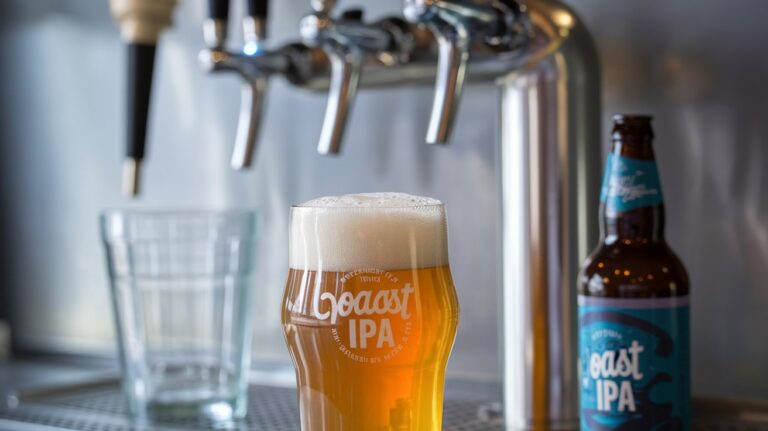
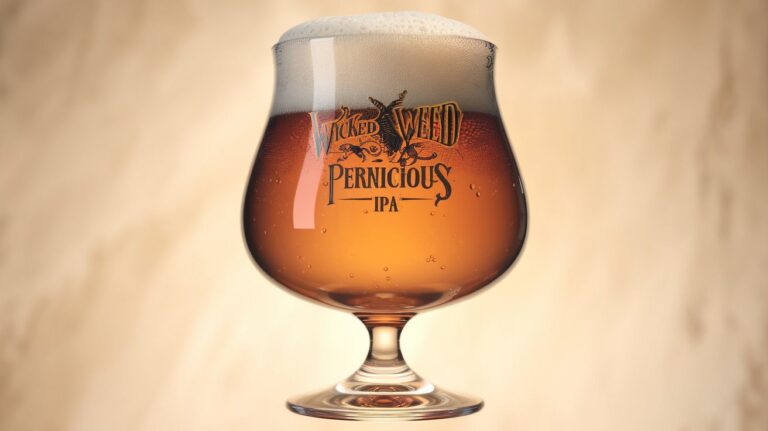
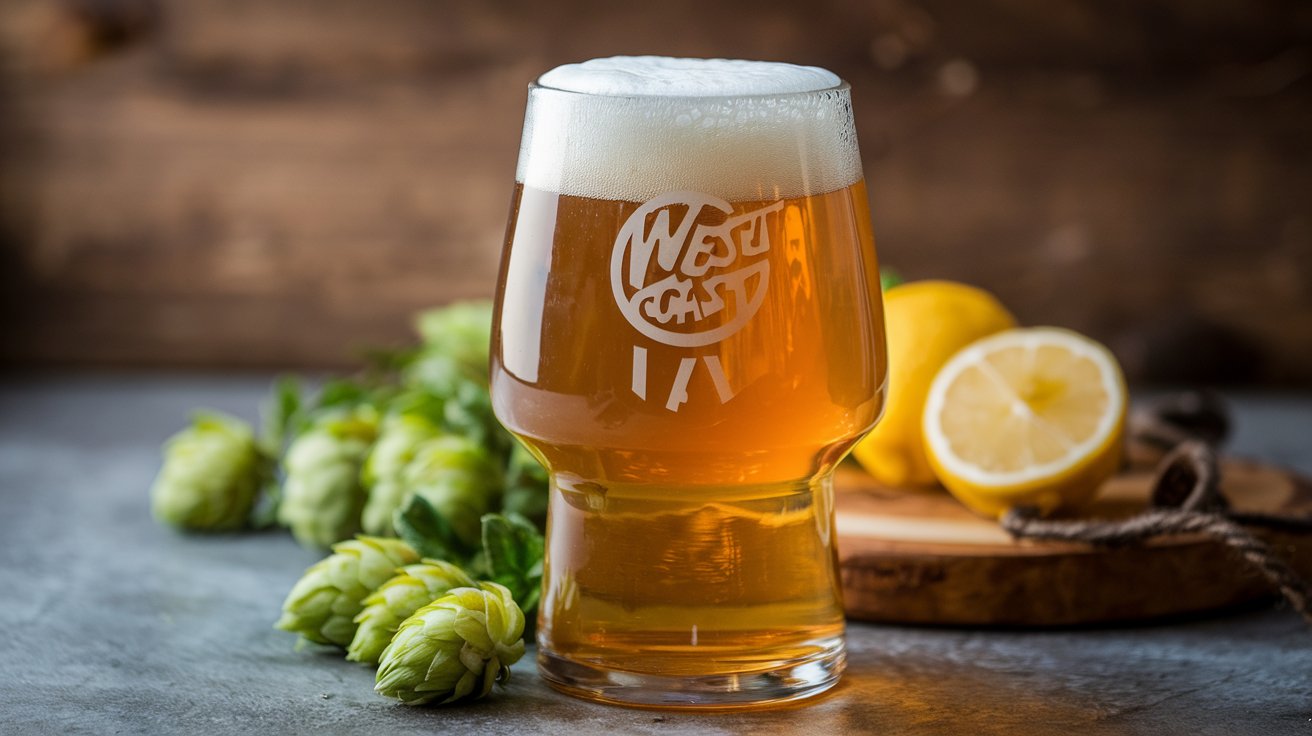
The ideal glassware includes tulip glasses or shaker pints that concentrate hop aromas while providing adequate head retention. Tulip glasses, with their bulbous bowl and flared rim, capture and focus the beer’s complex hop bouquet, enhancing the overall drinking experience. Many craft beer enthusiasts prefer specialty IPA glasses designed specifically to showcase hop-forward beers.
West Coast IPA Market Trends 2024-2025
The West Coast IPA market continues evolving with new hop varieties and brewing innovations. Double and triple IPAs have gained popularity, pushing hop intensity to new levels while maintaining balance. Session IPAs offer lower alcohol content while preserving hop character, appealing to health-conscious consumers seeking flavor without high alcohol content.
Market data from 2024 shows West Coast IPAs maintain approximately 15% of the total IPA market share, competing with New England IPAs and other emerging substyles. Craft breweries are experimenting with unique hop combinations, including recently developed varieties like Strata, Idaho 7, and Sabro, creating distinctive flavor profiles that expand the style’s boundaries.
Emerging Hop Varieties
New hop varieties continue expanding West Coast IPA flavor possibilities. Hops like Mosaic, Citra, and experimental varieties offer tropical fruit characteristics while maintaining the bitter backbone that defines the style. These innovations keep the category fresh and exciting for both brewers and consumers.
Session IPA Growth
The session IPA segment represents significant growth within West Coast IPA categories, with alcohol levels typically between 3.5-5% ABV. These beers maintain hop character while offering better sessionability, appealing to consumers seeking flavorful options with moderated alcohol content.
Homebrewing West Coast IPA Tips
Homebrewing West Coast IPA requires careful attention to hop timing and water chemistry. The grain bill should emphasize pale base malts with minimal caramel additions, allowing hop flavors to dominate. Water additions of gypsum and calcium chloride help replicate the mineral content that enhances hop expression.
Key brewing techniques include multiple hop additions at flame-out, whirlpool, and during fermentation. Dry hopping typically occurs during the last 3-4 days of fermentation or during cold conditioning. Temperature control during fermentation prevents excessive esters that can mask hop character, while proper carbonation levels enhance the beer’s crisp finish and hop aroma.
Related video about west coast style ipa
This video complements the article information with a practical visual demonstration.
Key Questions and Answers
What makes West Coast IPA different from other IPA styles?
West Coast IPA features aggressive hop bitterness, clean malt character, and prominent citrus/pine aromas from American hops. Unlike New England IPAs, they have a dry finish and clear appearance, with IBU levels typically exceeding 60 and emphasis on hop bitterness over malt sweetness.
What are the best West Coast IPA brands to try?
Top West Coast IPA brands include Stone IPA, Russian River Pliny the Elder, Sierra Nevada Torpedo, Green Flash West Coast IPA, and Ballast Point Sculpin. These pioneering brands established the style’s characteristics and remain excellent examples of the category’s quality standards.
What foods pair best with West Coast IPA?
West Coast IPA pairs excellently with spicy foods like Mexican cuisine, Thai curries, and Indian dishes. Strong cheeses like aged cheddar and blue cheese complement the hop bitterness, while grilled meats with herb rubs create balanced flavor combinations.
What is the proper serving temperature for West Coast IPA?
West Coast IPA should be served at 45-50°F to allow hop aromatics to develop fully while maintaining crispness. Use tulip glasses or shaker pints to concentrate hop aromas and enhance the overall tasting experience.
How strong is West Coast IPA alcohol content?
Traditional West Coast IPA alcohol content ranges from 6.3% to 7.5% ABV, with IBU levels often exceeding 60. Double IPAs can reach 8-10% ABV, while session versions typically range from 3.5-5% ABV while maintaining hop character.
Can I homebrew West Coast IPA successfully?
Yes, homebrewing West Coast IPA requires pale base malts, American hop varieties like Cascade and Centennial, and careful water chemistry with gypsum additions. Focus on late hop additions, dry hopping techniques, and temperature-controlled fermentation for best results.
| Key Aspect | Important Details | Benefit |
|---|---|---|
| Hop Character | Citrus, pine, tropical notes with 60+ IBUs | Bold, distinctive flavor profile |
| Malt Balance | Clean, pale malt base with dry finish | Showcases hop complexity |
| ABV Range | 6.3-7.5% standard, 3.5-5% session versions | Options for different preferences |
| Food Pairing | Spicy foods, strong cheeses, grilled meats | Versatile dining companion |
| Market Position | 15% of IPA market share in 2024-2025 | Established, stable category |