Near Beer Guide: Best Non-Alcoholic Beers in the US 2025
Near beer has transformed from a Prohibition-era necessity into a sophisticated beverage category that offers the full beer experience without the alcohol. In 2025, the American non-alcoholic beer market has exploded with innovative brewing techniques producing premium near beer options that rival traditional brews in taste and complexity. Whether you’re seeking healthier alternatives, maintaining sobriety, or simply enjoying beer flavor without impairment, today’s near beer selections provide exceptional quality and variety.
What Is Near Beer and How It’s Made
Near beer is a non-alcoholic beverage that contains less than 0.5% alcohol by volume (ABV), which is the legal threshold in the United States. The term originated during Prohibition when breweries needed to produce alcohol-free alternatives to traditional beer. Modern near beer undergoes the same brewing process as regular beer, including mashing, boiling, and fermentation, but alcohol is removed through various methods.
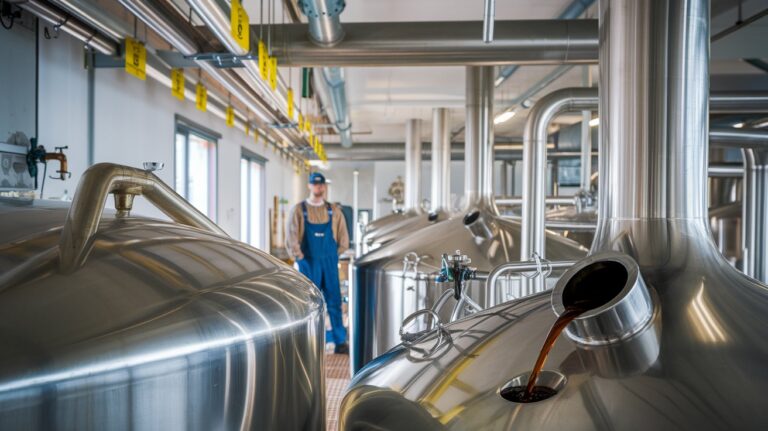
The most common production methods include vacuum distillation, reverse osmosis, and controlled fermentation. Vacuum distillation removes alcohol at lower temperatures to preserve flavor compounds, while reverse osmosis filters out alcohol molecules. Some breweries use arrested fermentation, stopping the process before significant alcohol develops. These advanced techniques have revolutionized near beer quality, making 2025 offerings virtually indistinguishable from their alcoholic counterparts in taste and aroma.
Traditional Brewing vs Near Beer Production
Traditional beer brewing allows complete fermentation, typically resulting in 3-12% ABV depending on style. Near beer production requires additional steps to achieve the strict 0.5% ABV limit while maintaining authentic beer characteristics. Modern breweries invest heavily in specialized equipment like membrane filtration systems and vacuum evaporators to ensure consistent alcohol removal without compromising flavor integrity.
Quality Control and Testing Standards
Near beer quality control involves rigorous testing at multiple production stages to verify alcohol content remains below legal limits. The Alcohol and Tobacco Tax and Trade Bureau (TTB) requires precise labeling and regular testing for all non-alcoholic beer products distributed in the United States. Advanced chromatography equipment ensures accuracy to 0.01% ABV, guaranteeing consumer safety and regulatory compliance.
Top Near Beer Brands Available in the US 2025
The American non-alcoholic beer market has expanded dramatically, with both established breweries and specialty producers offering premium options. Athletic Brewing Company leads the category with diverse styles including IPA, golden ale, and stout varieties. Heineken 0.0 dominates international imports, while Budweiser Zero captures the mainstream market with familiar flavor profiles.
Craft near beer options include Lagunitas IPNA, Brooklyn Special Effects, and Wellbeing Brewing’s extensive lineup. These brands focus on hop-forward profiles, complex malt characters, and innovative ingredients like adaptogenic herbs. Major retailers including Whole Foods, Target, and specialized beverage stores now dedicate significant shelf space to alcohol-free beer selections, reflecting growing consumer demand and market maturity.
Health Benefits of Near Beer Consumption
Near beer health benefits extend beyond simple alcohol avoidance, offering nutritional advantages that appeal to health-conscious consumers. Most non-alcoholic beers contain significantly fewer calories than regular beer, typically ranging from 50-100 calories per 12-ounce serving compared to 150-200 in alcoholic versions. The reduced calorie content supports weight management goals while maintaining social drinking experiences.
B-vitamins, particularly B6 and folate, remain present in near beer due to the brewing process using malted grains and yeast. Some varieties contain prebiotics from residual yeast cultures, supporting digestive health. The absence of alcohol eliminates dehydration risks, liver stress, and sleep disruption associated with regular beer consumption. Electrolyte content from brewing minerals makes near beer suitable for post-exercise hydration, positioning it as a functional beverage option.
Nutritional Profile Comparison
Near beer nutrition varies by brand and style, but generally provides superior macronutrient profiles compared to alcoholic beer. Protein content ranges from 1-3 grams per serving, while carbohydrates typically measure 8-15 grams. Sodium levels remain moderate at 5-25mg per serving, making low-sodium near beer options suitable for restricted diets. Some brands fortify with additional vitamins and minerals to enhance nutritional value.
Hydration and Recovery Benefits
Unlike alcoholic beer’s diuretic effects, near beer supports hydration due to its high water content and electrolyte presence. Athletes increasingly choose non-alcoholic beer for post-workout recovery, as it provides carbohydrates for glycogen replenishment without alcohol’s inflammatory effects. The isotonic properties of many near beers make them effective alternatives to traditional sports drinks.
Near Beer Styles and Flavor Profiles
Near beer styles now encompass virtually every traditional beer category, from light lagers to robust stouts and hoppy IPAs. Wheat beers offer refreshing citrus notes perfect for summer consumption, while non-alcoholic IPAs deliver intense hop aromas and bitter complexity. Porter and stout varieties provide rich, roasted malt flavors with coffee and chocolate undertones that satisfy craft beer enthusiasts.
Specialty styles include sour near beers with tart, fruity characteristics achieved through controlled lactobacillus fermentation, and Belgian-inspired varieties featuring complex yeast profiles. Seasonal offerings incorporate traditional ingredients like pumpkin, cranberry, and spices to mirror conventional beer release cycles. Dry-hopped near beers showcase American hop varieties, delivering tropical and citrus aromatics that rival any traditional IPA.
Where to Buy Near Beer in the United States
Near beer availability has expanded beyond specialty stores to mainstream retailers throughout the United States. Major grocery chains including Kroger, Safeway, and Publix now stock multiple near beer brands in their beverage sections. Online retailers like Amazon, Drizly, and specialty beverage websites offer extensive selections with home delivery options, particularly valuable in areas with limited local availability.
Restaurants and bars increasingly feature non-alcoholic beer options on their menus, with some establishments dedicating entire sections to alcohol-free beverages. Sports venues, corporate cafeterias, and entertainment complexes now stock near beer to accommodate designated drivers and health-conscious consumers. Direct-to-consumer shipping from breweries allows access to limited releases and exclusive varieties not available through traditional retail channels.
Retail Chain Availability
Major retailers have significantly expanded their near beer selections in response to growing demand. Whole Foods Market leads with the most comprehensive craft non-alcoholic beer selection, while Target and Walmart focus on mainstream brands. Costco and Sam’s Club offer bulk purchasing options for popular varieties, making near beer more economical for regular consumers.
Online Shopping and Delivery Options
E-commerce platforms provide the widest near beer selection with detailed product information and customer reviews. Subscription services like Sober Curious and NA Beer Club deliver curated selections monthly, introducing consumers to new brands and limited releases. Same-day delivery through services like Instacart and Amazon Fresh makes near beer readily accessible for immediate consumption needs.
Near Beer Market Trends and Future Outlook
The non-alcoholic beer market in the United States is projected to grow 25% annually through 2027, driven by health consciousness, sober curiosity movements, and improved product quality. Generation Z and millennial consumers lead adoption, viewing near beer as a sophisticated lifestyle choice rather than a compromise. Premium pricing strategies position quality near beers as luxury beverages, commanding prices comparable to craft beer.
Innovation focuses on functional ingredients including adaptogens, probiotics, and vitamins to differentiate products beyond traditional beer alternatives. Sustainable packaging initiatives and local ingredient sourcing appeal to environmentally conscious consumers. Celebrity endorsements and partnerships with wellness brands are elevating near beer’s cultural status, moving it from niche product to mainstream beverage category.
Pairing Near Beer with Food
Near beer food pairings follow traditional beer pairing principles, with hoppy varieties complementing spicy foods and rich stouts enhancing chocolate desserts. Light wheat beers pair excellently with seafood and salads, while malty near beers accompany grilled meats and barbecue dishes. The absence of alcohol allows for more delicate flavor interactions, making near beer suitable for wine-like pairing experiences.
Professional sommeliers now include non-alcoholic beer in tasting menus and restaurant recommendations, recognizing the sophisticated flavor profiles available in premium offerings. Cheese pairings work particularly well, with bitter hops cutting through rich, creamy textures. Cooking with near beer provides beer flavors in marinades, batters, and braising liquids without alcohol content concerns.
Cost Analysis of Near Beer vs Regular Beer
Near beer pricing typically ranges from $8-15 per six-pack, comparable to craft beer prices but higher than mainstream alcoholic beers. The premium pricing reflects specialized production processes, smaller batch sizes, and positioning as a lifestyle product. Cost per serving analysis shows near beer offers value when considering the elimination of alcohol-related expenses like rideshare services and potential health costs.
Bulk purchasing through warehouse stores reduces per-unit costs significantly, making regular near beer consumption more economical. Some insurance providers offer wellness discounts for alcohol-free lifestyle choices, potentially offsetting higher beverage costs. Home entertainment savings from serving near beer at parties eliminates liability concerns while maintaining social atmosphere, providing additional economic benefits beyond direct product costs.
Related video about near beer
This video complements the article information with a practical visual demonstration.
What you should know
Does near beer actually contain alcohol?
Yes, near beer contains trace amounts of alcohol, typically less than 0.5% ABV as regulated by federal law. This minimal alcohol content is comparable to natural fermentation in fruit juices and kombucha. The amount is insufficient to cause intoxication and is considered legally non-alcoholic in the United States.
Can pregnant women safely drink near beer?
While near beer contains minimal alcohol (under 0.5% ABV), pregnant women should consult healthcare providers before consumption. Most medical professionals consider the trace alcohol levels safe, but individual circumstances vary. Many expectant mothers choose near beer as a social alternative during pregnancy, but medical guidance is recommended.
How does near beer taste compared to regular beer?
Modern near beer closely replicates traditional beer flavors through advanced brewing techniques. High-quality brands like Athletic Brewing and Heineken 0.0 offer complex hop profiles, malt sweetness, and authentic beer characteristics. Taste differences are minimal in premium near beers, though some lighter varieties may have slightly less body than full-alcohol versions.
Will near beer show up on breathalyzer tests?
Near beer’s 0.5% ABV content is too low to register on standard breathalyzer tests or cause positive results. The minimal alcohol evaporates quickly from breath and doesn’t accumulate in bloodstream. However, consuming large quantities immediately before testing might cause brief, negligible readings that quickly dissipate.
Where can I find the best selection of near beer?
Whole Foods Market offers the most comprehensive near beer selection among major retailers, featuring both mainstream and craft options. Specialty beverage stores, online retailers like Amazon, and direct brewery purchases provide the widest variety. Target and major grocery chains increasingly stock popular brands in their beer sections.
Is near beer more expensive than regular beer?
Near beer typically costs $8-15 per six-pack, positioning it at craft beer price points rather than mainstream beer levels. The premium pricing reflects specialized production processes and smaller batch sizes. Bulk purchasing and subscription services can reduce costs, making regular consumption more economical for dedicated near beer drinkers.
| Key Aspect | Important Details | Benefit |
|---|---|---|
| Alcohol Content | Less than 0.5% ABV by federal regulation | Safe for designated drivers and alcohol-free lifestyles |
| Calorie Count | 50-100 calories per 12oz serving | Supports weight management and fitness goals |
| Flavor Variety | IPA, stout, wheat, lager, and specialty styles | Satisfies diverse taste preferences and occasions |
| Market Growth | 25% annual growth projected through 2027 | Increasing availability and quality improvements |
| Health Benefits | B-vitamins, electrolytes, no dehydration risk | Functional beverage with nutritional value |