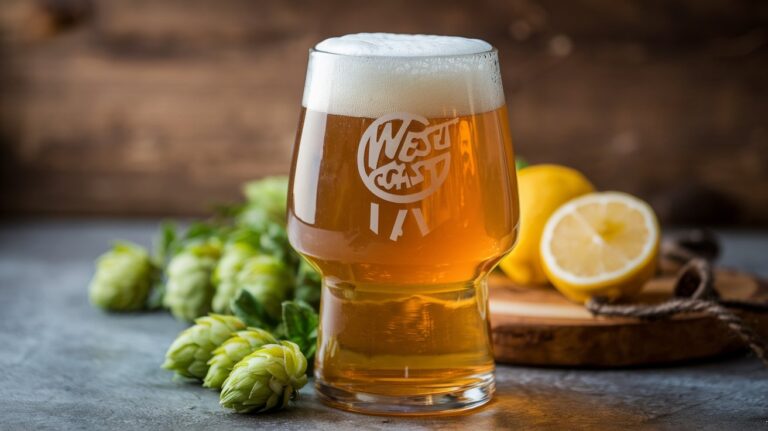
Best Light Beer Guide 2025: Top Brands & Calories
Light beer continues to dominate the American beer market in 2025, accounting for over 45% of total beer sales nationwide. These light beer options typically contain 100-110 calories and 3.5-4.2% alcohol by volume, making them the preferred choice for health-conscious drinkers who want to enjoy beer without excessive calories or alcohol content.
What Makes Light Beer Different
Light beer is specifically brewed to reduce both calories and carbohydrates compared to regular beer. The brewing process involves longer fermentation periods and the addition of enzymes that break down complex sugars into simpler, more fermentable forms. This results in a beer with approximately 30-40% fewer calories than traditional lagers and ales. Most light beers achieve their reduced calorie content through careful grain selection and specialized yeast strains that consume more sugars during fermentation.
The alcohol content in light beer varieties typically ranges from 3.2% to 4.2% ABV, slightly lower than regular beers which usually contain 4.5-5.5% ABV. This reduction in alcohol also contributes to the lower calorie count, as alcohol contains 7 calories per gram. American light beer regulations require these products to have at least 25% fewer calories than the brewery’s regular beer to earn the light beer designation.
Top Light Beer Brands in America 2025
The American light beer market remains highly competitive with several dominant brands capturing the majority of market share. Bud Light continues to lead with approximately 18% of the total beer market, despite facing increased competition from craft breweries and import brands. This popular light beer contains 110 calories and 4.2% ABV, maintaining its position through consistent quality and extensive distribution networks across all 50 states.
Coors Light holds the second position with roughly 8% market share, offering 102 calories per 12-ounce serving and 4.2% alcohol content. Miller Lite rounds out the top three with 96 calories and 4.2% ABV, positioning itself as the lowest calorie light beer among major national brands. These three brands collectively represent over 35% of all beer consumed in the United States, demonstrating the sustained popularity of American light beer options.
Premium Light Beer Options
Premium light beer brands have gained significant traction in 2025, with Michelob Ultra leading this segment at 95 calories per serving and 4.2% ABV. Corona Light appeals to consumers seeking imported options with 99 calories and a distinctive lime-friendly flavor profile. Heineken Light offers European brewing tradition in a reduced-calorie format with 99 calories, while Stella Artois Light provides Belgian heritage at 95 calories per bottle.
Emerging Light Beer Brands
New light beer alternatives continue entering the market, including Athletic Brewing’s non-alcoholic light options and Dogfish Head’s Slightly Mighty at just 95 calories. White Claw and other hard seltzers have influenced traditional breweries to create ultra-light beer options with even fewer calories. These innovative low-calorie beer products often incorporate natural flavors and organic ingredients to appeal to health-conscious millennials and Gen Z consumers.
Light Beer Nutrition and Calories
Light beer calories vary significantly across brands and brewing methods, ranging from 55 calories in ultra-light varieties to 120 calories in higher-alcohol light beers. The average 12-ounce serving of light beer contains approximately 103 calories, 5 grams of carbohydrates, and 0.7 grams of protein. Most light beers contain zero fat and minimal amounts of sodium, making them relatively diet-friendly alcoholic beverage choices for weight management programs.
Carbohydrate content in light beer nutrition typically ranges from 2.6 grams to 7 grams per serving, significantly lower than regular beers which often contain 10-15 grams of carbohydrates. This reduced carbohydrate profile makes light beer compatible with low-carb diets and ketogenic eating plans. The glycemic impact of light beer consumption is also lower due to reduced residual sugars from the extended fermentation process.
Taste Profiles and Brewing Techniques
Modern light beer taste has evolved significantly from the bland, watery reputation of early light beers introduced in the 1970s. Advanced brewing techniques now preserve flavor while reducing calories through selective grain bills and specialized hop varieties. American light lager styles typically feature clean, crisp profiles with subtle malt sweetness balanced by mild hop bitterness ranging from 8-15 IBUs (International Bitterness Units).
Brewing quality light beer requires precise temperature control and extended cold conditioning periods to develop smooth, refreshing characteristics without off-flavors. Many breweries now use rice or corn adjuncts strategically to lighten body while maintaining drinkability. The best light beers achieve complexity through careful yeast selection and controlled fermentation temperatures that preserve delicate flavor compounds while maximizing alcohol and sugar conversion efficiency.
Flavor Enhancement Techniques
Contemporary light beer brewing incorporates natural flavor additions including citrus peels, spices, and fruit extracts to enhance taste without adding significant calories. Dry-hopping techniques add aromatic compounds that improve perceived flavor intensity in low-alcohol beer products. Some breweries use specialty malts in small quantities to boost flavor complexity while maintaining the light beer calorie profile.
Regional Taste Preferences
American consumers show distinct regional preferences for light beer styles, with lighter, more neutral flavors preferred in warmer climates and slightly more robust profiles favored in northern states. West Coast markets show increased demand for craft light beer options with hop-forward profiles, while Midwest consumers prefer traditional clean lager characteristics in their light beer selections.
Health Benefits and Considerations
Moderate light beer consumption may offer certain health advantages compared to regular beer and other alcoholic beverages. The reduced calorie content supports weight management goals, with light beer containing roughly 40% fewer calories than craft IPAs or stouts. Studies suggest that light beer’s lower alcohol content may reduce the risk of alcohol-related health issues when consumed responsibly within recommended guidelines of no more than one drink per day for women and two for men.
The nutritional profile of light beer includes B-vitamins, particularly folate and niacin, along with trace amounts of potassium and magnesium from brewing grains. However, light beer should not be considered a significant source of essential nutrients. The lower alcohol content in light beer benefits include reduced dehydration risk and potentially less severe hangovers compared to higher-alcohol beverages when consumed in similar quantities.
Light Beer Market Trends 2025
The light beer industry continues evolving with health-conscious consumers driving demand for ultra-low calorie options and functional ingredients. Market research indicates 23% growth in premium light beer sales over the past two years, with consumers willing to pay higher prices for perceived quality improvements. Non-alcoholic and low-alcohol light beer alternatives represent the fastest-growing segment, capturing market share from traditional light beer brands.
Sustainability concerns are influencing light beer production methods, with major breweries investing in renewable energy and water conservation technologies. Organic light beer options are gaining popularity, despite higher production costs and retail prices. The future of light beer appears to include more diverse flavor profiles, healthier ingredients, and environmentally responsible brewing practices that appeal to younger demographic groups.
Pairing Light Beer with Food
Light beer pairing strategies have become more sophisticated as restaurants and bars recognize these beverages’ versatility with various cuisines. The clean, crisp profile of most light beers complements seafood dishes, salads, and grilled vegetables without overwhelming delicate flavors. Spicy foods pair exceptionally well with cold light beer, as the lower alcohol content and carbonation help cleanse the palate between bites of hot dishes.
Barbecue and light beer combinations remain popular for outdoor entertaining, with the refreshing qualities balancing rich, smoky flavors. Light beers also work well with lighter fare such as sushi, ceviche, and Mediterranean cuisine. Professional sommeliers now include premium light beer options in formal tasting menus, recognizing their ability to enhance rather than compete with carefully prepared dishes.
Buying Guide and Storage Tips
When selecting quality light beer, check production dates to ensure freshness, as light beers typically maintain optimal flavor for 90-120 days from packaging. Store light beer in cool, dark conditions between 35-40°F to preserve taste and prevent skunking from UV light exposure. Avoid temperature fluctuations that can cause flavor degradation and choose cans over clear bottles for better light protection during storage and transport.
Price comparisons reveal that value light beer options often provide similar nutritional profiles to premium brands at 40-50% lower cost per serving. Buy light beer in larger quantities during sales events, but ensure proper rotation to consume older inventory first. The best light beer deals typically occur during major sporting events and summer months when retailers compete for increased seasonal demand.
Related video about light beer
This video complements the article information with a practical visual demonstration.
Questions & Answers
What is the lowest calorie light beer available?
The lowest calorie light beer options in 2025 include Bud Select 55 with 55 calories, followed by Miller 64 with 64 calories per 12-ounce serving. Michelob Ultra and Stella Artois Light both contain 95 calories. These ultra-light options typically have alcohol content between 2.8-4.2% ABV while maintaining refreshing taste profiles suitable for health-conscious consumers.
How many calories are in popular light beer brands?
Popular light beer calories vary by brand: Bud Light contains 110 calories, Coors Light has 102 calories, Miller Lite offers 96 calories, and Corona Light provides 99 calories per 12-ounce serving. Premium options like Michelob Ultra contain 95 calories, while ultra-light varieties like Bud Select 55 have as few as 55 calories per bottle or can.
Is light beer healthier than regular beer?
Light beer is generally healthier than regular beer due to significantly lower calorie and carbohydrate content. Light beers contain 30-40% fewer calories and 50-70% fewer carbs than regular beers. The reduced alcohol content (3.2-4.2% vs 4.5-5.5%) may also decrease health risks associated with excessive alcohol consumption when enjoyed in moderation as part of a balanced lifestyle.
What makes light beer taste different from regular beer?
Light beer tastes different due to specialized brewing processes that reduce residual sugars and create a cleaner, more neutral flavor profile. Extended fermentation periods and enzyme additions break down complex carbohydrates, resulting in less malty sweetness and body. Modern light beers use advanced brewing techniques and selective ingredients to maintain refreshing taste while achieving lower calorie targets.
Can light beer fit into a low-carb diet?
Yes, light beer can fit into low-carb diets as most varieties contain 2.6-7 grams of carbohydrates per serving, significantly lower than regular beers with 10-15 grams. Ultra-light options like Michelob Ultra contain only 2.6 grams of carbs, making them compatible with ketogenic and other strict low-carb eating plans when consumed in moderation within daily carbohydrate limits.
How long does light beer stay fresh?
Light beer maintains optimal freshness for 90-120 days from the packaging date when stored properly in cool, dark conditions between 35-40°F. Canned light beer typically stays fresh longer than bottled versions due to better UV light protection. Check production or expiration dates before purchasing, and consume within the recommended timeframe for the best taste and quality experience.
| Light Beer Aspect | Key Details | Consumer Benefit |
|---|---|---|
| Calorie Content | 95-120 calories per 12oz serving | Weight management support |
| Alcohol Content | 3.2-4.2% ABV typically | Reduced intoxication risk |
| Carbohydrates | 2.6-7 grams per serving | Low-carb diet compatibility |
| Market Share | 45% of total US beer sales | Wide availability and choice |
| Storage Requirements | 35-40°F, dark conditions | 90-120 day freshness period |