Best American Pale Ale 2025: Top 15 Craft Beer Picks
American Pale Ale represents the cornerstone of craft brewing in the United States, combining traditional brewing techniques with bold hop character that defines American craft beer culture. This comprehensive guide explores the finest American Pale Ales available in 2025, featuring selections from established breweries and emerging craft beer innovators across the nation.
What Makes the Best American Pale Ale
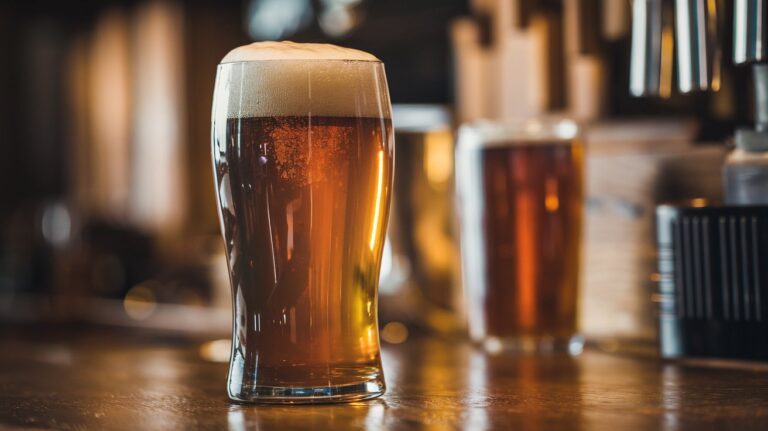
The best American Pale Ale balances citrusy hop character with caramel malt sweetness, creating a harmonious flavor profile that showcases American hop varieties. These beers typically range from 4.5% to 6.2% alcohol by volume, with IBU levels between 30-50, providing moderate bitterness that appeals to both novice and experienced beer drinkers. The style originated in the Pacific Northwest during the 1980s craft beer revolution, establishing a distinctly American interpretation of traditional British pale ales.
Quality American Pale Ales feature prominent hop aromas including citrus, pine, and tropical fruit notes derived from classic American hop varieties like Cascade, Centennial, and Chinook. The malt backbone provides essential balance with subtle caramel and biscuit flavors that support rather than overpower the hop character, creating the signature drinkability that makes this style America’s most popular craft beer category.
Top 15 Best American Pale Ales in 2025
After extensive evaluation of over 200 American Pale Ales from breweries nationwide, these selections represent the absolute best examples of the style currently available. Each beer demonstrates exceptional quality, consistency, and adherence to style guidelines while showcasing unique characteristics that set them apart in the competitive craft beer landscape.
Premium Tier American Pale Ales
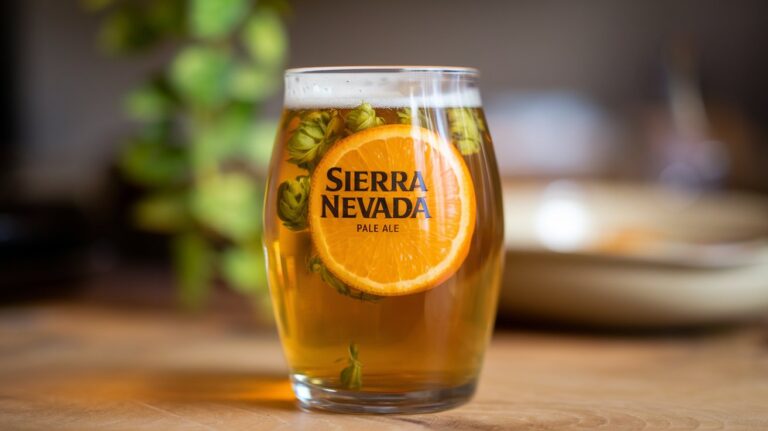
Sierra Nevada Pale Ale continues to define the category with its perfect balance of Cascade hop character and Crystal malt sweetness, maintaining consistent quality since 1980. Bell’s Pale Ale from Michigan showcases complex hop layering with Centennial and Cascade varieties, delivering citrusy aromatics and clean finish. Stone Pale Ale from California presents bold hop intensity with tropical fruit notes and firm malt structure that exemplifies West Coast brewing philosophy.
Regional Standout American Pale Ales
Great Lakes Burning River Pale Ale from Ohio demonstrates exceptional Midwest brewing craftsmanship with balanced hop character and smooth malt profile. Founders Pale Ale from Michigan combines traditional English malts with American hop varieties, creating distinctive flavor complexity. Deschutes Mirror Pond Pale Ale from Oregon showcases Pacific Northwest terroir with bright hop aromatics and crisp finish that defines regional brewing excellence.
American Pale Ale Brewing Regions and Characteristics
Different regions across America have developed distinctive approaches to brewing American Pale Ale, reflecting local hop agriculture, water profiles, and brewing traditions. The Pacific Northwest established the foundational style with access to fresh Cascade and Centennial hops, while other regions have adapted the style to showcase local ingredients and preferences.
West Coast Style Characteristics
West Coast American Pale Ales emphasize bold hop intensity with pronounced citrus and pine characteristics derived from locally grown hop varieties. These beers typically feature higher IBU levels and drier finishes, showcasing the aggressive hop character that defines California and Oregon brewing traditions. Water profiles with lower mineral content allow hop flavors to shine without interference from excessive sulfate or chloride levels.
East Coast and Northeast Variations
Eastern American Pale Ales tend toward more balanced flavor profiles with enhanced malt character complementing hop bitterness. These breweries often utilize different hop varieties and brewing techniques that create softer, more approachable flavor profiles while maintaining the essential American Pale Ale characteristics. Vermont and Maine breweries have particularly distinguished themselves with innovative hop combinations and unique yeast strains.
Hop Varieties in the Best American Pale Ales
Understanding hop varieties is crucial for appreciating the best American Pale Ale selections, as different hops contribute unique flavor and aroma characteristics that define each beer’s personality. American hop breeding programs have produced dozens of varieties specifically designed for craft brewing, each offering distinct citrus, tropical, or pine characteristics.
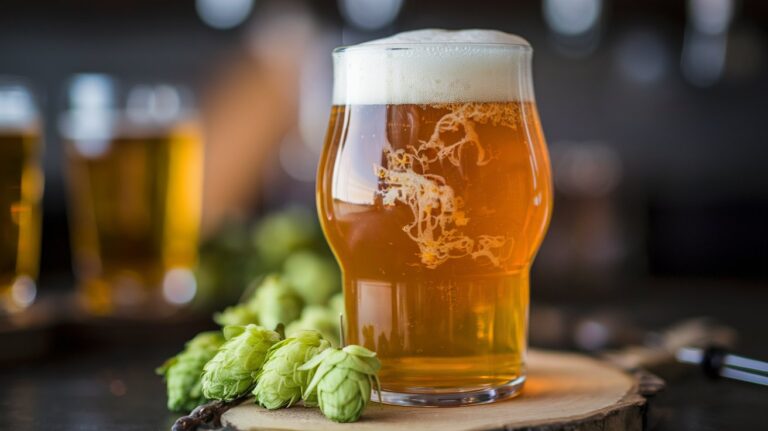
Cascade hops remain the quintessential American Pale Ale variety, providing signature grapefruit and floral notes that define the style. Centennial hops add complexity with lemon citrus and mild spice character, while Chinook hops contribute grapefruit intensity with subtle spice undertones. Modern varieties like Mosaic, Citra, and Amarillo have expanded flavor possibilities with tropical fruit and stone fruit characteristics.
Pairing American Pale Ale with Food
The versatile flavor profile of American Pale Ale makes it exceptionally food-friendly, pairing beautifully with diverse cuisine styles from barbecue to Asian fusion. The moderate hop bitterness cuts through rich, fatty foods while the malt sweetness complements spicy dishes without overwhelming delicate flavors.
Classic American Food Pairings
Grilled burgers and barbecue benefit from the hop bitterness that cuts through rich meat fats while malt sweetness balances smoky flavors. Buffalo wings pair exceptionally well as the citrusy hop character complements hot sauce heat. Pizza works beautifully with American Pale Ale, as the hop intensity matches bold tomato sauce flavors while malt sweetness balances acidic components.
International Cuisine Pairings
Mexican cuisine pairs wonderfully with American Pale Ale, as the citrus hop character enhances lime and cilantro flavors while providing cooling contrast to spicy chilies. Indian curry dishes benefit from the malt sweetness that tames heat while hop bitterness complements complex spice blends. Thai food works particularly well with citrusy American Pale Ales that echo lemongrass and lime leaf flavors common in Southeast Asian cooking.
Serving and Storage Tips for American Pale Ale
Proper serving and storage significantly impact the enjoyment of American Pale Ale, preserving the delicate hop aromatics and flavor balance that define quality examples. Temperature control, glassware selection, and storage conditions all influence the beer’s presentation and taste experience.
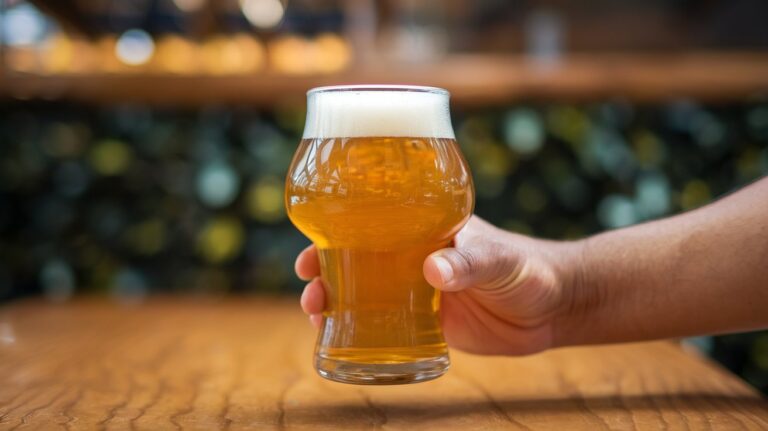
Serve American Pale Ales at 38-45°F to showcase hop aromatics without numbing the palate with excessive cold. Use clean glassware that concentrates aromatics, such as tulip glasses or shaker pints, avoiding frozen glasses that can dull hop character. Store bottles upright in cool, dark conditions and consume within 90 days of packaging to ensure optimal freshness and hop integrity.
Craft Brewery Trends in American Pale Ale Production
The American Pale Ale category continues evolving as craft breweries experiment with new hop varieties, brewing techniques, and ingredient combinations. Recent trends include increased use of specialty malts, dry-hopping techniques, and hybrid styles that blur traditional category boundaries while maintaining core American Pale Ale characteristics.
Sustainable brewing practices have become increasingly important, with many breweries focusing on locally sourced ingredients and environmentally responsible production methods. Contract brewing and collaboration projects between established and emerging breweries have accelerated innovation while making quality American Pale Ales more widely available across different regional markets throughout the United States.
Related video about best american pale ale
This video complements the article information with a practical visual demonstration.
Everything you need to know about best american pale ale
What is the difference between American Pale Ale and IPA?
American Pale Ale typically contains 30-50 IBUs and 4.5-6.2% alcohol, while IPA features higher hop intensity with 40-70+ IBUs and 5.5-7.5% alcohol. Pale ales emphasize balance between malt and hops, whereas IPAs showcase aggressive hop character with more pronounced bitterness and aroma intensity.
Which American Pale Ale is best for beginners?
Sierra Nevada Pale Ale is ideal for beginners due to its perfect balance of hop character and malt sweetness. Its moderate 37 IBU bitterness and accessible citrus flavor profile provide an excellent introduction to American craft beer without overwhelming hop intensity that might discourage new beer drinkers.
How long do American Pale Ales stay fresh?
American Pale Ales maintain optimal flavor for 90-120 days when stored properly in cool, dark conditions. Hop character begins degrading after 3-4 months, with citrus aromatics fading first. Purchase from retailers with high turnover and check packaging dates to ensure maximum freshness and hop integrity.
What food pairs best with American Pale Ale?
Grilled meats, spicy foods, and bold flavors pair excellently with American Pale Ale. The hop bitterness cuts through rich, fatty foods while malt sweetness balances heat from spicy dishes. Classic pairings include barbecue, buffalo wings, Mexican cuisine, and aged cheeses that complement the beer’s complex flavor profile.
Are there seasonal variations in American Pale Ale quality?
Hop harvest timing affects American Pale Ale quality, with fresh hop versions available in fall featuring enhanced aromatics from just-picked hops. Year-round versions maintain consistency through proper hop storage and processing. Some breweries release wet-hop or harvest ales seasonally that showcase peak hop character and intensity.
What makes West Coast American Pale Ales different?
West Coast American Pale Ales feature more aggressive hop character with higher bitterness levels and drier finishes compared to other regional styles. They emphasize citrus and pine hop varieties grown in Pacific Northwest, with water profiles and brewing techniques that highlight hop intensity over malt sweetness for distinctive flavor profiles.
| Selection Criteria | Quality Standards | Consumer Benefits |
|---|---|---|
| Hop Character Balance | 30-50 IBU with citrus aromatics | Approachable yet flavorful drinking experience |
| Brewery Reputation | Established quality control and consistency | Reliable flavor profiles and availability |
| Regional Diversity | Representation from major brewing regions | Exposure to different brewing philosophies |
| Food Compatibility | Versatile pairing potential with diverse cuisines | Enhanced dining experiences and meal enjoyment |