Best Brown Ale Beer: Top 15 Craft Brews to Try in 2025
Brown ale represents one of beer’s most versatile and approachable styles, offering rich malty sweetness balanced with subtle hop character. These best brown ale beers range from classic English-style brews to innovative American craft interpretations, providing beer enthusiasts with complex flavors spanning nutty, caramel, and chocolate notes perfect for any season.
What Makes Brown Ale the Perfect Beer Style
Brown ale stands as one of beer’s most balanced and food-friendly styles, characterized by malty sweetness and moderate alcohol content typically ranging from 4.2% to 6.2% ABV. The best brown ale beer options showcase rich amber to deep brown colors derived from carefully selected specialty malts including crystal, chocolate, and caramel varieties.
This beer style originated in England during the 17th century and has evolved into distinct regional variations. American brown ales tend to feature more pronounced hop character and higher alcohol content, while traditional English versions emphasize malt complexity with subtle earthy hop notes. Modern craft breweries have embraced brown ale’s versatility, creating innovative interpretations that maintain the style’s core characteristics while adding unique twists.
Brown Ale Flavor Profile and Characteristics
The brown ale flavor profile centers around malt-forward complexity with notes of toffee, caramel, nuts, and subtle chocolate undertones. Quality brown ales maintain excellent balance between sweetness and mild hop bitterness, typically ranging from 20-40 IBUs. The best brown ale beers exhibit smooth, medium body with moderate carbonation that enhances their rich malt character without overwhelming the palate.
Brown Ale vs Other Beer Styles
Brown ale distinguishes itself from porter and stout through lighter roasted malt character and reduced bitterness compared to IPAs. Unlike wheat beers, brown ales showcase malt complexity over grain character, while maintaining more approachable flavors than heavy imperial stouts. The best brown ale beer selections offer perfect middle ground for drinkers seeking more complexity than lagers but less intensity than darker beer styles.
Top 15 Best Brown Ale Beers in 2025
The 2025 best brown ale beer rankings reflect both classic examples and innovative craft brewery interpretations that have gained recognition among beer experts and consumers. These selections represent diverse regional styles, alcohol strengths, and flavor profiles that define excellence in brown ale brewing across the United States.
Each top brown ale on this list has been evaluated based on flavor complexity, brewing quality, availability, and overall drinking experience. From widely distributed classics to limited craft brewery releases, these brown ales represent the pinnacle of the style in American beer culture.
Classic English-Style Brown Ales
Newcastle Brown Ale remains the most recognizable brown ale globally, offering accessible malt sweetness with subtle hop balance. Founders Dirty Bastard delivers exceptional Scotch ale characteristics within brown ale parameters, featuring rich caramel and toffee notes at 8.5% ABV. Samuel Adams Brown Ale provides consistent quality with traditional English-inspired brewing methods and balanced malt-hop interplay perfect for newcomers to the style.
American Craft Brown Ale Champions
Bell’s Best Brown showcases American brown ale excellence with increased hop presence balancing rich malt foundation. Cigar City Maduro Brown Ale incorporates oak aging for enhanced complexity, while Dogfish Head Indian Brown Ale combines brown ale base with IPA hopping techniques. These craft brown ales demonstrate American brewers’ innovation while respecting traditional style guidelines and flavor expectations.
Brown Ale Food Pairing Guide
The best brown ale beer selections excel at food pairing due to their balanced malt sweetness and moderate bitterness. Brown ales complement roasted meats, grilled vegetables, and hearty comfort foods while their caramel notes enhance chocolate desserts and nutty cheeses. The style’s versatility makes it ideal for both casual dining and sophisticated culinary experiences.
Brown ale food pairing success stems from matching the beer’s malt complexity with similarly rich foods. These beers pair exceptionally well with barbecue, roasted chicken, beef stew, and mushroom-based dishes. For cheese pairings, aged cheddar, gouda, and nutty Swiss varieties complement brown ale’s caramel and toffee characteristics perfectly.
Main Course Pairings
Grilled steaks and brown ale pairing creates harmonious flavor combinations where malt sweetness balances meat’s savory richness. Roasted pork shoulder, barbecue brisket, and herb-crusted lamb benefit from brown ale’s caramel notes that complement caramelized meat surfaces. Mushroom risotto and wild game dishes pair excellently with the best brown ale beers due to shared earthy flavor components.
Dessert and Cheese Combinations
Chocolate-based desserts find perfect partnership with brown ale’s malt sweetness, particularly dark chocolate tarts and brownies. Aged cheeses including sharp cheddar, smoked gouda, and manchego complement brown ale’s nutty undertones beautifully. Apple-based desserts, pecan pie, and caramel ice cream create exceptional combinations with the best brown ale beer selections available today.
How to Choose the Perfect Brown Ale
Selecting the best brown ale beer depends on personal taste preferences, occasion, and desired flavor intensity. Consider alcohol content, with session versions around 4-5% ABV for casual drinking and stronger examples up to 7-8% for sipping experiences. Regional styles offer different characteristics, with English versions emphasizing malt balance and American interpretations showcasing hop character.
Freshness significantly impacts brown ale quality, so check bottling or canning dates when possible. Local craft brewery options often provide freshest examples while national brands ensure consistency and availability. The best brown ale for individual preferences balances desired flavor intensity with practical considerations like price point and local availability.
Reading Brown Ale Labels
Understanding brown ale labels helps identify quality examples and preferred styles. Look for ABV percentages, IBU ratings, and ingredient listings that indicate brewing approach and expected flavor profile. Terms like “English-style,” “American brown ale,” or “nut brown” provide style guidance, while brewery location and production dates ensure freshness for optimal brown ale experience.
Seasonal Brown Ale Selection
Fall and winter months showcase brown ale’s warming qualities perfectly, making them ideal cold-weather companions. Spring selections might favor lighter, more refreshing brown ale examples, while summer calls for sessionable versions with moderate alcohol content. The best brown ale beer changes seasonally based on weather, food preferences, and social drinking occasions throughout the year.
Brown Ale Serving and Storage Tips
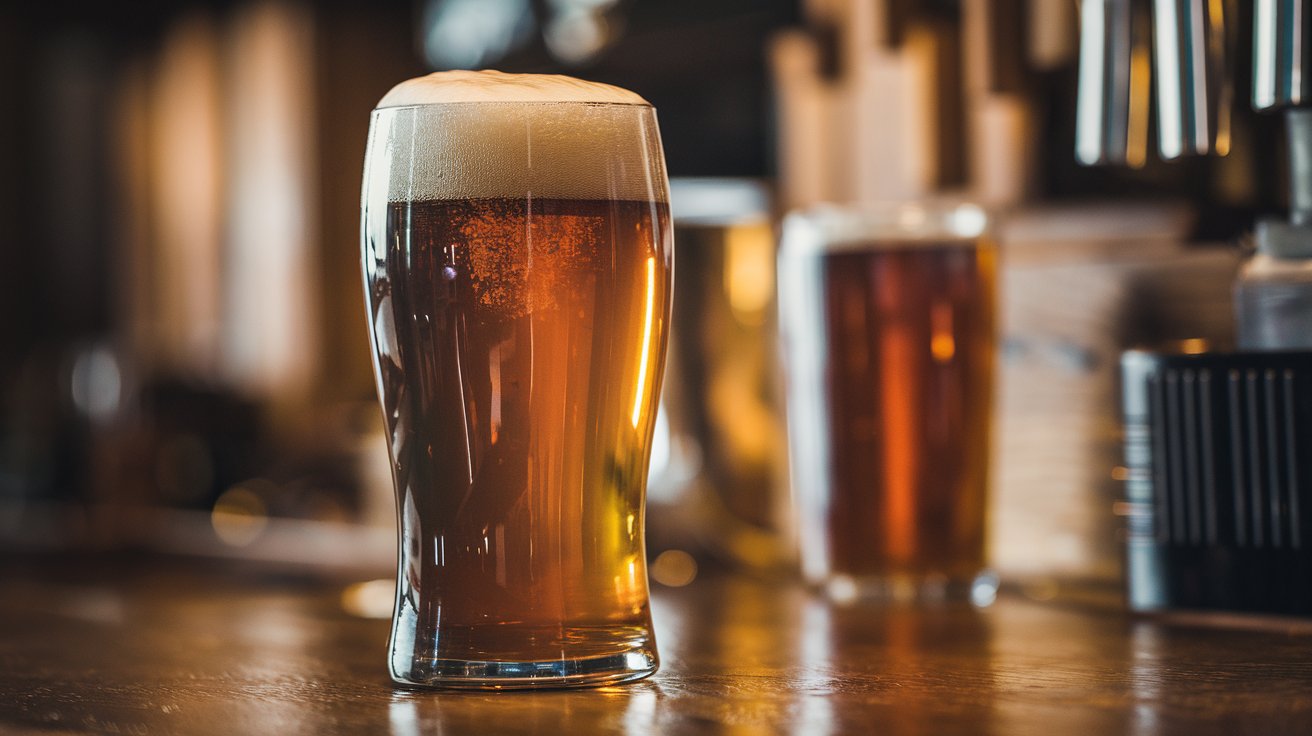
Proper serving temperature enhances brown ale flavor development, with optimal range between 45-50°F allowing malt complexity to shine without masking subtle hop character. Glassware selection impacts aroma release, with tulip glasses or pint glasses concentrating aromatics effectively. The best brown ale beer experiences require attention to storage conditions, serving temperature, and proper glassware selection.
Storage considerations include keeping brown ales in cool, dark environments away from temperature fluctuations and direct sunlight. Most brown ales maintain peak quality for 6-12 months when stored properly, though some stronger examples age gracefully for extended periods. Optimal brown ale storage preserves delicate malt flavors and prevents oxidation that diminishes beer quality over time.
Brown Ale Brewing Process and Ingredients
The brown ale brewing process begins with carefully selected malt bills featuring base malts supplemented with specialty grains including crystal, chocolate, and caramel malts. These ingredients provide the signature color, flavor, and aroma characteristics that define quality brown ales. Hop selections typically favor English varieties like Fuggle and Kent Goldings for traditional examples, while American versions incorporate Cascade and Centennial hops.
Fermentation temperatures and yeast selection significantly impact final brown ale character. English ale yeasts produce subtle fruity esters that complement malt sweetness, while American strains maintain cleaner profiles highlighting malt and hop balance. The best brown ale beer examples demonstrate masterful ingredient selection and brewing technique that maximizes style characteristics while maintaining drinkability.
Related video about best brown ale beer
This video complements the article information with a practical visual demonstration.
Most asked questions about best brown ale beer
What is the alcohol content of brown ale beer?
Brown ale typically ranges from 4.2% to 6.2% ABV, with most examples falling between 4.5-5.5%. English-style brown ales tend toward the lower end, while American craft versions often reach 5-6% ABV. Stronger variations like Scotch ales can reach 7-8% ABV while maintaining brown ale characteristics.
How long does brown ale stay fresh after opening?
Once opened, brown ale maintains optimal flavor for 1-2 days when refrigerated and properly sealed. Unopened bottles or cans stay fresh for 6-12 months when stored in cool, dark conditions. The best brown ale beers should be consumed closer to packaging dates for maximum flavor integrity and malt complexity.
What foods pair best with brown ale?
Brown ale pairs excellently with grilled meats, roasted chicken, barbecue, aged cheeses, and chocolate desserts. The malt sweetness complements caramelized meat surfaces while balancing savory flavors. Mushroom dishes, beef stew, and nutty desserts create harmonious combinations with brown ale’s complex malt character.
Is brown ale good for beer beginners?
Brown ale serves as an excellent introduction to craft beer due to its balanced flavor profile and moderate bitterness. The style offers more complexity than light lagers while remaining approachable for new beer drinkers. The best brown ale beers provide gateway experiences to exploring more complex beer styles.
What’s the difference between brown ale and porter?
Brown ale features lighter roasted malt character compared to porter’s more pronounced roasted and chocolate flavors. Brown ales typically have lower alcohol content (4-6% vs 5-7% ABV) and less bitterness. Porter exhibits darker color and stronger roasted grain presence, while brown ale emphasizes caramel and toffee malt sweetness.
Can brown ale be aged like wine?
Most brown ales are best consumed fresh within 6-12 months for optimal flavor. However, stronger examples above 7% ABV can age gracefully for 1-3 years, developing enhanced malt complexity and smoothness. The best brown ale beers for aging feature higher alcohol content and robust malt bills that improve over time.
| Brown Ale Aspect | Key Characteristics | Consumer Benefits |
|---|---|---|
| Flavor Profile | Malty sweetness with caramel, toffee, and nut notes | Balanced, approachable taste for all experience levels |
| Alcohol Content | 4.2-6.2% ABV range | Sessionable drinking without overwhelming strength |
| Food Pairing | Complements grilled meats, aged cheese, chocolate | Versatile dining companion for various cuisines |
| Seasonal Appeal | Year-round enjoyment with fall/winter preference | Warming qualities perfect for cooler weather |