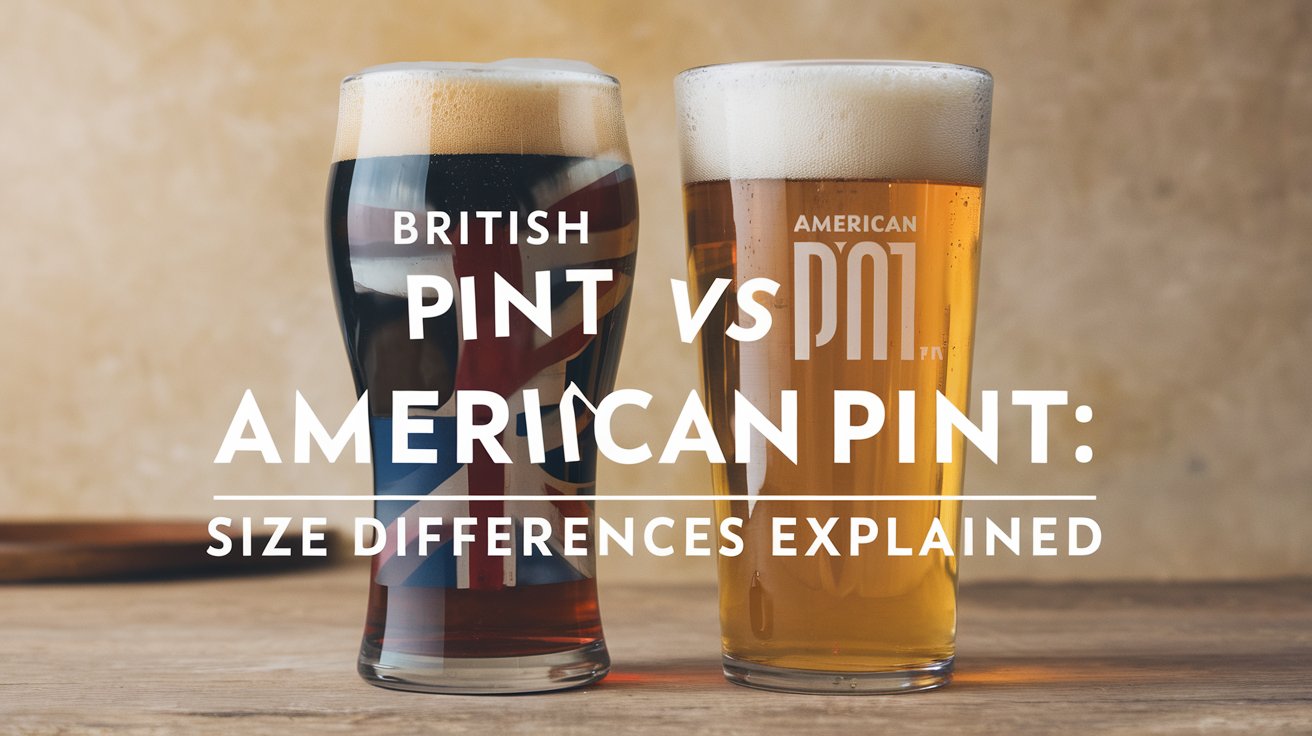
British Pint vs American Pint: Size Differences Explained
The difference between a British pint and American pint lies in their volume measurements, with a British Imperial pint containing 568 milliliters compared to the smaller American pint of 473 milliliters. This 95-milliliter difference stems from historical measurement systems and continues to impact beverage serving sizes, recipes, and international trade today.
Volume Comparison: British vs American Pint Measurements
The most fundamental difference between these two measurement systems centers on volume capacity. A British Imperial pint equals exactly 568.261 milliliters or 20 fluid ounces, while an American liquid pint measures 473.176 milliliters or 16 fluid ounces. This means the British pint contains approximately 20% more liquid than its American counterpart.
When converting between these measurements, one British pint equals 1.2 American pints, making it significantly larger. This difference becomes particularly noticeable in bars, restaurants, and when following international recipes that specify pint measurements without clarifying which system to use.
Metric Conversion Chart for Both Systems
Understanding metric conversions for pint measurements helps eliminate confusion in international contexts. The British pint converts to 0.568 liters, while the American pint equals 0.473 liters. These precise measurements matter significantly in brewing, cooking, and commercial beverage service where accuracy affects taste and profitability.
Fluid Ounce Differences Explained
The discrepancy in fluid ounce measurements further complicates conversions between systems. British Imperial fluid ounces are slightly smaller at 28.41 milliliters compared to American fluid ounces at 29.57 milliliters. However, the British pint contains 20 fluid ounces versus the American pint’s 16 fluid ounces, resulting in the overall larger British pint volume.
Historical Origins of Pint Measurement Systems
The divergence between British and American pint systems traces back to different historical standardization processes. The British Imperial system was officially established in 1824 under the Weights and Measures Act, which standardized measurements across the British Empire. This system was designed to create uniformity in trade and commerce throughout British territories.
American measurements evolved separately, maintaining some pre-1824 British standards while developing unique specifications. The United States never fully adopted the Imperial system, instead retaining colonial-era measurements that became the foundation for the modern US customary system established in the 19th century.
Impact on Beer and Beverage Service
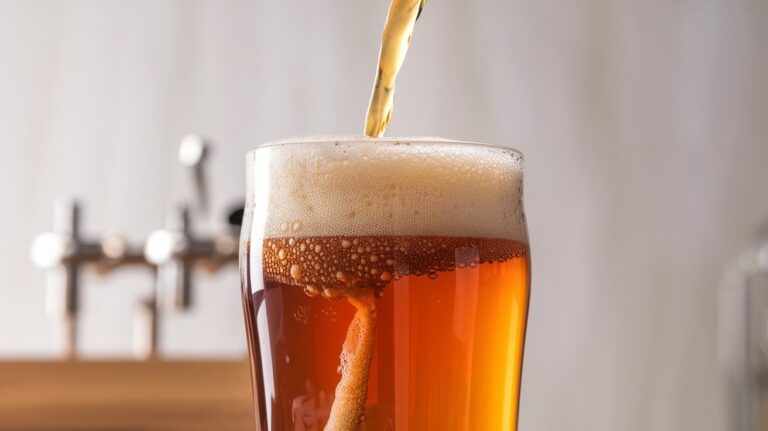
The pint size difference significantly affects beer serving portions in pubs and bars across different countries. British pubs serve beer in true Imperial pints, providing customers with nearly 20% more beer per serving compared to American establishments. This difference impacts pricing strategies, customer satisfaction, and beverage industry standards.
Many American craft breweries have begun offering Imperial pint servings to differentiate themselves and provide better value to customers. However, most standard American bars continue using the smaller 16-ounce American pint, which affects portion expectations and comparative pricing when traveling internationally.
Commercial Brewing Industry Standards
Professional brewing operations must carefully consider pint measurement systems when developing recipes and calculating yields. Breweries exporting products internationally often provide conversion charts and dual measurements to ensure consistent flavor profiles regardless of the serving size used in different markets.
Restaurant and Bar Service Implications
Food service establishments in tourist areas frequently encounter confusion over pint serving sizes. Many American restaurants now specify serving sizes in fluid ounces or milliliters to provide clarity, while some upscale establishments offer both American and Imperial pint options to cater to diverse customer expectations.
Cooking and Recipe Conversion Challenges
Recipe conversions between British and American measurements present significant challenges for home cooks and professional chefs. When a British recipe calls for a pint of liquid, using an American measuring cup results in approximately 95 milliliters less liquid, potentially affecting texture, consistency, and final dish quality.
Modern cookbook publishers typically specify which measurement system their recipes use, but older cookbooks and online recipes often lack this crucial information. Professional chefs recommend using metric measurements whenever possible to eliminate conversion errors and ensure consistent results across different measurement systems.
International Trade and Legal Standards
International trade regulations require precise specification of measurement systems when dealing with liquid commodities. Export documents must clearly indicate whether quantities are measured in Imperial or US customary units to prevent disputes and ensure accurate delivery quantities.
The European Union, which includes the UK post-Brexit, maintains strict standards for beverage labeling and measurement that often require dual labeling in both metric and traditional units. This regulatory environment affects pricing, packaging, and distribution strategies for beverage companies operating internationally.
Labeling Requirements and Consumer Protection
Consumer protection laws in both the US and UK require clear volume labeling on packaged beverages to prevent confusion and ensure fair pricing. Many products now display multiple measurement units, including milliliters, fluid ounces, and pint equivalents to serve diverse consumer bases effectively.
Cross-Border Commerce Considerations
E-commerce platforms selling beverages or beverage-related equipment internationally must provide accurate conversion information to prevent customer dissatisfaction. Many online retailers now include conversion calculators and measurement guides to help customers understand product sizes regardless of their local measurement system.
Modern Usage and Global Standardization Trends
Current global trends favor metric system adoption for international commerce and scientific applications, though traditional pint measurements remain deeply embedded in cultural practices. The UK officially uses metric measurements for most commercial purposes while maintaining Imperial units for beer sales and some traditional applications.
American resistance to metric adoption keeps the US customary pint relevant in domestic markets, though scientific and medical communities predominantly use metric measurements. This dual-system reality requires continued awareness of measurement differences for anyone working in international contexts or consuming global content.
Related video about british pint vs american pint
This video complements the article information with a practical visual demonstration.
Essential Q&A about british pint vs american pint
How much bigger is a British pint compared to an American pint?
A British Imperial pint is approximately 20% larger than an American pint, containing 568ml compared to 473ml. This means you get about 95ml or 3.2 fluid ounces more liquid in a British pint, making it equivalent to 1.2 American pints.
Why are British and American pints different sizes?
The difference stems from historical measurement standardization processes. Britain established the Imperial system in 1824, while America retained pre-1824 colonial measurements that became the US customary system. These parallel developments created permanently different measurement standards.
Do American bars serve true pints of beer?
Most American bars serve 16-ounce American pints, not the larger 20-ounce Imperial pints common in British pubs. Some craft breweries and upscale establishments offer Imperial pint servings, but the standard American pint remains more common in typical bars and restaurants.
How do I convert recipes between British and American pints?
To convert British pints to American measurements, multiply by 1.2 (one British pint equals 1.2 American pints). For accuracy in cooking, use metric conversions: British pint = 568ml, American pint = 473ml. Professional chefs recommend using metric measurements to avoid conversion errors.
Which countries use Imperial pints versus American pints?
The UK and some Commonwealth countries traditionally use Imperial pints for beer service, though metric is official for most commerce. The United States uses American pints throughout. Most other countries use metric measurements exclusively, making pint measurements less relevant internationally.
Are there legal requirements for pint labeling accuracy?
Yes, both US and UK consumer protection laws require accurate volume labeling on beverages. Many products display multiple units (ml, fl oz, pints) to serve different markets. International trade requires precise measurement system specification to prevent disputes and ensure accurate transactions.
| Measurement Aspect | British Imperial Pint | American Pint |
|---|---|---|
| Volume (ml) | 568.261 ml | 473.176 ml |
| Fluid Ounces | 20 fl oz | 16 fl oz |
| Size Difference | 20% larger | Standard reference |
| Primary Usage | UK beer service | US beverages, cooking |
| Conversion Factor | 1 Imperial = 1.2 US pints | 1 US = 0.83 Imperial pints |