Grolsch Beer Origin: Complete History & Dutch Heritage Guide
The Grolsch beer origin traces back to 1615 in the charming Dutch city of Groenlo, where two brothers established what would become one of the Netherlands’ most iconic breweries. This legendary Dutch lager has maintained its distinctive swing-top bottle design and traditional brewing methods for over four centuries, making it a beloved premium beer brand recognized worldwide for its authentic Dutch heritage and superior quality craftsmanship.
The Historical Foundation of Grolsch Beer
The remarkable Grolsch beer origin began in 1615 when Willem Neerfeldt and his brother established their brewery in Groenlo, a small town in the eastern Netherlands near the German border. The name Grolsch derives from ‘Grools bier,’ meaning beer from Groenlo, establishing the deep-rooted connection between the brewery and its hometown. This historic brewery initially served the local community, producing traditional Dutch ales using time-honored brewing techniques passed down through generations.
During the early 17th century, the Dutch brewing industry was experiencing significant growth, with numerous small breweries establishing themselves across the Netherlands. The Neerfeldt brothers distinguished their brewery by focusing on quality ingredients and maintaining consistent brewing standards, which helped establish Grolsch’s reputation for excellence within the regional market. Their commitment to traditional brewing methods and premium ingredients laid the foundation for what would become a globally recognized beer brand.
Evolution Through the Centuries
Throughout the 18th and 19th centuries, Grolsch brewery operations expanded significantly while maintaining their commitment to traditional Dutch brewing methods. The company survived numerous challenges including economic downturns, wars, and changing consumer preferences by continuously adapting their business model while preserving their core brewing philosophy. During this period, Grolsch began developing their signature recipes and brewing techniques that would eventually make them famous worldwide.
The industrial revolution brought modernization to Grolsch beer production, with the introduction of steam-powered equipment and improved quality control measures. Despite these technological advances, the brewery maintained its commitment to traditional ingredients including premium hops, malted barley, and pure Dutch water sources. This balance between innovation and tradition became a defining characteristic of Grolsch’s brewing philosophy and contributed significantly to their growing reputation throughout Europe.
20th Century Expansion and Innovation
The early 1900s marked a significant transformation period for Grolsch beer history, with the company implementing major modernization projects and expanding their production capabilities. During World War II, the brewery faced numerous challenges including ingredient shortages and occupation-related restrictions, yet managed to maintain operations and preserve their brewing heritage. The post-war recovery period brought unprecedented growth opportunities, allowing Grolsch to establish themselves as a major player in the Dutch beer market.
International Recognition and Growth
By the 1960s and 1970s, Grolsch premium beer began gaining international recognition, particularly in European markets where consumers appreciated the brewery’s commitment to quality and traditional brewing methods. The company’s distinctive swing-top bottles became increasingly popular among beer enthusiasts who valued both the unique packaging and superior taste. This international expansion phase established Grolsch as a premium import beer brand in multiple countries, setting the stage for their eventual entry into the American market.
The Iconic Swing-Top Bottle Design
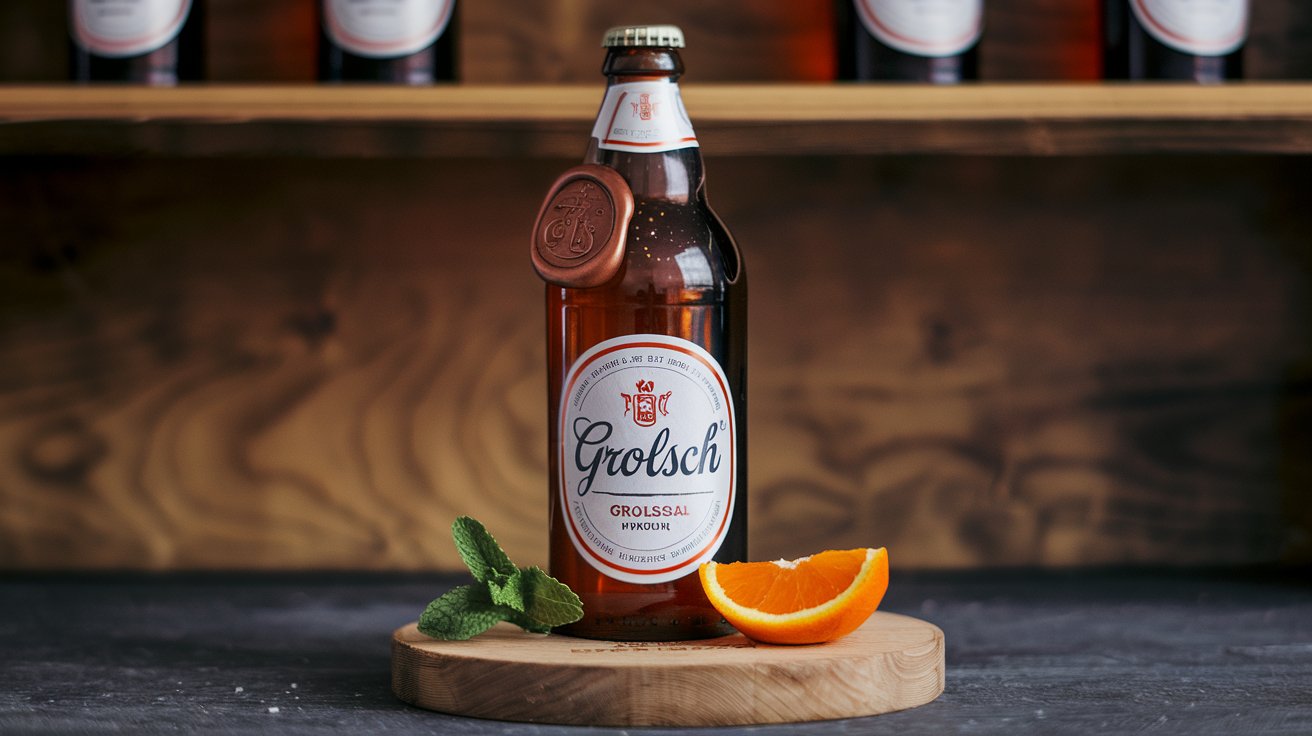
One of the most recognizable aspects of Grolsch beer heritage is their distinctive swing-top bottle design, which has remained virtually unchanged since its introduction in the early 20th century. This unique closure system, featuring a ceramic stopper held in place by a wire bail mechanism, was originally developed to ensure optimal freshness and carbonation retention. The swing-top design not only serves a practical purpose but has become an integral part of Grolsch’s brand identity and marketing appeal.
The Grolsch bottle design reflects the company’s commitment to quality and attention to detail, with each bottle requiring precise manufacturing standards to ensure proper sealing and durability. American consumers have particularly embraced this distinctive packaging, often collecting and reusing the bottles for home brewing and other purposes. The swing-top design has become so closely associated with Grolsch that it serves as an instant brand identifier in retail environments and bars across the United States.
Traditional Dutch Brewing Methods
The authentic Dutch brewing traditions employed by Grolsch have remained remarkably consistent throughout the brewery’s 400-year history, emphasizing natural ingredients and traditional fermentation processes. Grolsch utilizes a unique combination of European hops, premium malted barley, and pure water sources to create their signature flavor profile. The brewery’s commitment to using only natural ingredients, without artificial preservatives or additives, distinguishes Grolsch from many mass-produced beer brands available in the American market.
The Grolsch brewing process includes an extended fermentation period that allows for full flavor development and natural carbonation, resulting in the beer’s characteristic crisp taste and smooth finish. Master brewers at Grolsch maintain strict quality control standards throughout every stage of production, from ingredient selection to final packaging. This dedication to traditional brewing excellence has earned Grolsch numerous international awards and recognition from beer industry professionals worldwide.
Ingredient Selection and Quality Standards
The careful selection of premium brewing ingredients forms the foundation of Grolsch’s exceptional quality standards, with the brewery sourcing the finest European hops and malted barley from trusted agricultural partners. Each batch undergoes rigorous testing to ensure consistency and adherence to the brewery’s exacting specifications. The water used in Grolsch production comes from carefully selected sources that contribute to the beer’s distinctive mineral profile and overall taste characteristics.
Fermentation and Maturation Process
The Grolsch fermentation process employs traditional bottom-fermentation techniques combined with an extended maturation period that allows flavors to develop fully and naturally. This longer brewing cycle, while more time-consuming and expensive than rapid commercial brewing methods, results in a smoother, more refined beer with exceptional drinkability. The brewery’s commitment to this traditional approach demonstrates their dedication to quality over quantity, maintaining the authentic Dutch brewing heritage that has defined Grolsch for centuries.
Grolsch’s Arrival in the American Market
The introduction of Grolsch beer to America began in the 1980s when import beer consumption was experiencing significant growth among American consumers seeking premium alternatives to domestic brands. Grolsch’s unique swing-top bottles and distinctive European heritage appealed to sophisticated beer drinkers who appreciated craft brewing traditions and authentic flavors. The brand’s marketing strategy emphasized their Dutch heritage and traditional brewing methods, positioning Grolsch as a premium import beer worthy of special occasions and discerning consumers.
Throughout the 1990s and 2000s, Grolsch market presence in the United States continued expanding through strategic distribution partnerships and targeted marketing campaigns that highlighted the beer’s unique characteristics and cultural heritage. The brand successfully established itself in upscale restaurants, specialty bars, and premium retail locations across major American cities. Today, Grolsch maintains a loyal following among American beer enthusiasts who value authentic brewing traditions and distinctive flavor profiles.
Modern Ownership and Operations
In 2016, Grolsch brewery ownership changed hands when Asahi Breweries acquired the brand from SABMiller, ensuring continued investment in production facilities and international distribution networks. Under Asahi’s ownership, Grolsch has maintained its commitment to traditional brewing methods while benefiting from improved distribution capabilities and marketing resources. The new ownership structure has allowed Grolsch to expand its presence in key markets including the United States, where demand for premium imported beers continues growing among craft beer enthusiasts.
Current Grolsch production operations combine traditional brewing techniques with modern quality control systems and sustainable manufacturing practices that minimize environmental impact while maintaining product excellence. The brewery continues operating from its historic location in the Netherlands while serving international markets through carefully managed distribution networks. This balance of tradition and innovation ensures that Grolsch remains relevant in today’s competitive beer market while preserving the authentic Dutch brewing heritage that defines the brand.
Cultural Impact and Brand Legacy
The cultural significance of Grolsch extends far beyond its role as a premium beer brand, with the brewery serving as an important symbol of Dutch brewing heritage and craftsmanship traditions. In the Netherlands, Grolsch represents regional pride and historical continuity, connecting modern consumers with centuries of brewing excellence and cultural tradition. The brand’s commitment to maintaining traditional methods while adapting to contemporary markets demonstrates the enduring appeal of authentic craftsmanship in an increasingly globalized world.
Within the American beer culture, Grolsch has carved out a distinctive niche among premium import brands, attracting consumers who appreciate European brewing traditions and distinctive packaging design. The swing-top bottles have become iconic symbols of quality and craftsmanship, often featured in upscale establishments and special occasions. Grolsch’s influence on American beer consumption patterns has contributed to growing appreciation for traditional brewing methods and international beer varieties among discerning consumers.
Related video about grolsch beer origin
This video complements the article information with a practical visual demonstration.
What you should know
When was Grolsch beer first founded and where?
Grolsch beer was founded in 1615 by brothers Willem Neerfeldt in Groenlo, a small Dutch town near the German border. The brewery has maintained continuous operations for over 400 years, making it one of the oldest beer brands in the Netherlands. The name Grolsch derives from ‘Grools bier,’ meaning beer from Groenlo, establishing the deep connection between the brewery and its hometown origins.
What makes Grolsch’s swing-top bottles special?
Grolsch’s distinctive swing-top bottles feature a ceramic stopper held in place by a wire bail mechanism, designed to ensure optimal freshness and carbonation retention. This unique closure system has remained virtually unchanged since its introduction in the early 20th century and has become an integral part of Grolsch’s brand identity. The bottles are often collected and reused by consumers, particularly in America where they’re popular among home brewing enthusiasts.
How does Grolsch maintain traditional Dutch brewing methods?
Grolsch employs authentic Dutch brewing traditions including bottom-fermentation techniques, extended maturation periods, and the use of premium natural ingredients without artificial preservatives. The brewery sources European hops, malted barley, and pure Dutch water to create their signature flavor profile. Master brewers maintain strict quality control standards throughout every production stage, ensuring consistency and adherence to traditional brewing excellence that has defined the brand for centuries.
When did Grolsch beer enter the American market?
Grolsch entered the American market during the 1980s when import beer consumption was experiencing significant growth among consumers seeking premium alternatives to domestic brands. The brand’s unique swing-top bottles and European heritage appealed to sophisticated beer drinkers who appreciated authentic brewing traditions. Grolsch successfully positioned itself as a premium import beer through strategic distribution partnerships and marketing campaigns emphasizing its Dutch heritage and traditional brewing methods.
Who owns Grolsch brewery today?
Asahi Breweries acquired Grolsch in 2016 from SABMiller, ensuring continued investment in production facilities and international distribution networks. Under Asahi’s ownership, Grolsch maintains its commitment to traditional brewing methods while benefiting from improved distribution capabilities and marketing resources. The brewery continues operating from its historic Netherlands location while serving international markets including the United States through carefully managed distribution networks.
What distinguishes Grolsch from other imported beers in America?
Grolsch distinguishes itself through its 400-year brewing heritage, distinctive swing-top bottles, and commitment to traditional Dutch brewing methods using only natural ingredients. Unlike mass-produced beers, Grolsch employs extended fermentation periods and premium European ingredients including specialty hops and malted barley. The brand’s authentic cultural heritage and unique packaging design have established it as a premium choice among American consumers who appreciate European craftsmanship and traditional brewing excellence.
| Historical Aspect | Key Details | Modern Impact |
|---|---|---|
| Founded 1615 | Established by Neerfeldt brothers in Groenlo | 400+ years brewing heritage |
| Swing-top bottles | Ceramic stopper with wire bail mechanism | Iconic brand recognition worldwide |
| Dutch brewing traditions | Natural ingredients, extended fermentation | Premium quality distinction |
| American market entry | 1980s import beer growth period | Established premium import status |
| Current ownership | Asahi Breweries since 2016 | Enhanced global distribution |