West Coast IPA Guide: Best Breweries & Flavors 2025
West Coast IPA stands as America’s most iconic craft beer style, characterized by its bold hop flavors, citrusy aroma, and clean malty backbone. Originating in California during the 1990s craft beer revolution, this beer style has defined the American craft brewing movement with its aggressive hop profile and crystal-clear appearance that sets it apart from other IPA variations.
What Makes West Coast IPA Unique
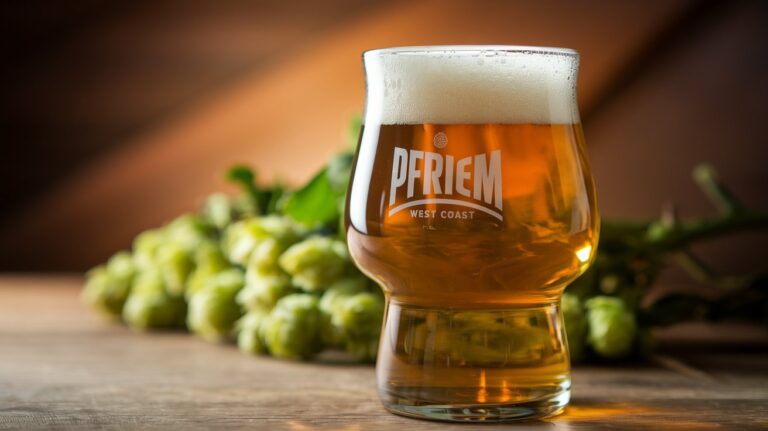
The defining characteristics of West Coast IPA include a pronounced hop bitterness, typically ranging from 40-70 IBU, with dominant citrus and pine flavors from American hop varieties. Unlike New England IPAs, West Coast styles maintain crystal clarity through aggressive filtration and dry hopping techniques that preserve the beer’s clean finish.
American brewers pioneered the use of Cascade, Centennial, and Chinook hops to create the signature grapefruit, orange, and resinous pine notes that define this style. The alcohol content typically ranges from 6.3% to 7.5% ABV, providing a substantial backbone to support the intense hop character while maintaining drinkability.
Historical Origins and Development
The West Coast IPA movement began in the early 1990s when California brewers like Ken Grossman of Sierra Nevada and Vinnie Cilurzo of Russian River started experimenting with increased hop quantities and American-grown hop varieties. This innovation represented a dramatic departure from traditional English IPA styles, creating a distinctly American interpretation.
By 2025, the style has evolved through three distinct generations, with modern West Coast IPAs featuring advanced dry-hopping techniques, water chemistry optimization, and precise temperature control during fermentation. The American craft brewing industry now produces over 2,800 different West Coast IPA variations across more than 1,200 breweries nationwide.
First Generation Pioneers (1990-2000)
Early West Coast IPA pioneers like Sierra Nevada Pale Ale and Stone IPA established the foundational characteristics of the style. These brewers focused on showcasing American hop varieties, particularly Cascade hops, which provided the distinctive citrusy character that became synonymous with West Coast brewing.
Modern Evolution (2000-2025)
Contemporary West Coast IPA production incorporates advanced brewing techniques including whirlpool hopping, biotransformation processes, and specialized yeast strains that enhance hop expression while maintaining the style’s characteristic clarity and clean finish.
Top West Coast IPA Breweries in 2025
The United States hosts over 400 breweries specializing in West Coast IPA production, with California, Oregon, and Washington leading innovation in hop cultivation and brewing techniques. These regions benefit from proximity to premier hop-growing areas in the Yakima Valley and Willamette Valley.
Industry leaders continue to push boundaries through experimental hop varieties, water chemistry modifications, and fermentation innovations that enhance the West Coast IPA experience. Many breweries now offer seasonal variations and limited releases that showcase single-hop varieties or unique hop combinations.
California Craft Beer Leaders
California West Coast IPA producers like Russian River, Stone Brewing, and Ballast Point have maintained their reputation for consistency and innovation. These breweries continue to influence national trends while expanding distribution networks across all 50 states in 2025.
Pacific Northwest Excellence
Oregon and Washington breweries leverage their proximity to premium hop farms to create exceptionally fresh West Coast IPAs. Breweries like Deschutes, Breakside, and Fremont Brewing showcase the terroir of Pacific Northwest hops in their flagship IPA offerings.
Essential Hop Varieties and Flavor Profiles
Modern West Coast IPA hop selection encompasses both classic American varieties and innovative new cultivars developed specifically for IPA production. The most significant varieties include Citra, Mosaic, Simcoe, and Columbus, each contributing unique flavor compounds that define contemporary West Coast character.
Brewers typically combine 3-5 different hop varieties to create complex flavor profiles while maintaining the signature West Coast balance between citrus, tropical, and pine characteristics. Advanced brewing techniques allow for precise control of hop expression throughout the brewing process.
Brewing Process and Techniques
Professional West Coast IPA brewing requires precise mash temperature control, typically between 148-152°F, to achieve the desired fermentability and body. The grain bill usually consists of 85-95% base malt with crystal malts providing color and subtle caramel notes that complement hop character.
Fermentation occurs at controlled temperatures using clean American ale yeasts that allow hop flavors to dominate while producing minimal esters or phenols. Most breweries employ a multi-stage dry hopping process, adding hops during active fermentation and post-fermentation to maximize aroma retention.
Water Chemistry Optimization
West Coast IPA water profiles typically feature elevated sulfate levels (300-400 ppm) and moderate chloride content (100-150 ppm) to accentuate hop bitterness and create the characteristic dry finish. Many breweries adjust their source water to replicate ideal mineral profiles.
Advanced Dry Hopping Methods
Contemporary dry hopping techniques include biotransformation hopping during active fermentation, which enhances tropical fruit character through yeast enzyme interaction with hop compounds. This process has become standard practice among leading West Coast IPA producers.
Food Pairing and Serving Recommendations
The intense hop character of West Coast IPA pairs exceptionally well with spicy cuisines, particularly Mexican, Thai, and Indian dishes. The beer’s bitterness and citrus notes complement capsaicin heat while cleansing the palate between bites.
Optimal serving temperature ranges from 45-50°F in appropriate glassware such as IPA-specific glasses or American pint glasses that concentrate aromatics. Many restaurants now offer specialized glassware designed to enhance the West Coast IPA drinking experience.
Market Trends and Industry Statistics 2025
West Coast IPA market share represents approximately 28% of all craft beer sales in the United States, generating over $4.2 billion in annual revenue. The style continues to grow despite increased competition from hazier IPA variants and sour beer categories.
Consumer preference surveys indicate that West Coast IPA drinkers prioritize hop quality, brewery reputation, and freshness when making purchasing decisions. The average West Coast IPA consumer purchases 3.2 different brands per month and spends 40% more on craft beer than the general population.
Home Brewing West Coast IPA
Home brewers can create authentic West Coast IPA recipes using widely available ingredients and equipment. Success depends on proper hop storage, temperature control during fermentation, and attention to water chemistry adjustments that replicate commercial brewing conditions.
Essential equipment includes temperature-controlled fermentation chambers, accurate pH meters, and proper sanitation protocols. Many homebrew supply stores now offer pre-measured ingredient kits specifically designed for West Coast IPA production, making the style accessible to beginning brewers.
Related video about west coast ipa
This video complements the article information with a practical visual demonstration.
Essential Q&A about west coast ipa
What’s the difference between West Coast and East Coast IPA?
West Coast IPA features crystal-clear appearance, prominent hop bitterness, and citrus/pine flavors, while East Coast (New England) IPAs are hazy, juicy, and less bitter. West Coast IPAs typically use traditional brewing methods with aggressive filtration, whereas East Coast styles employ wheat additions and specialized yeasts that create turbidity and enhanced fruit character.
What alcohol content should I expect in West Coast IPA?
Most West Coast IPAs range from 6.3% to 7.5% ABV, with some double IPAs reaching 8-10% ABV. The higher alcohol content provides necessary backbone to balance intense hop bitterness and creates the full-bodied mouthfeel characteristic of the style. Session versions typically contain 4-5% ABV while maintaining hop character.
How long does West Coast IPA stay fresh?
West Coast IPAs maintain peak flavor for 60-90 days when stored properly at refrigerated temperatures. Hop oils begin degrading immediately after packaging, so consumers should check packaging dates and choose the freshest options available. Many breweries now include specific consumption recommendations on their packaging.
Which hops create the classic West Coast IPA flavor?
Classic West Coast IPA hops include Cascade, Centennial, Chinook, Columbus, and Simcoe, providing citrus, pine, and resinous characteristics. Modern variations incorporate Citra, Mosaic, and Amarillo for tropical fruit notes while maintaining the style’s signature bitterness and clean finish. Most recipes combine 3-5 hop varieties for complexity.
What food pairs best with West Coast IPA?
West Coast IPA pairs excellently with spicy foods, grilled meats, strong cheeses, and citrus-based dishes. The beer’s bitterness cuts through rich, fatty foods while complementing spice heat. Popular pairings include fish tacos, buffalo wings, aged cheddar, and chocolate desserts that contrast with the hop character.
How should I serve West Coast IPA for best flavor?
Serve West Coast IPA at 45-50°F in clean glassware, preferably IPA-specific glasses or American pint glasses. Pour with moderate vigor to create a small head that releases aromatic compounds. Avoid over-chilling, which suppresses hop aromatics, and ensure glassware is free from soap residue that affects head retention and flavor.
| Key Characteristic | West Coast IPA Details | Consumer Benefit |
|---|---|---|
| Hop Character | Citrus, pine, resinous with 40-70 IBU | Bold, refreshing flavor profile |
| Appearance | Crystal clear, golden to amber color | Visual appeal and quality indicator |
| Alcohol Content | 6.3-7.5% ABV typical range | Substantial but approachable strength |
| Market Availability | 400+ specialized breweries nationwide | Wide selection and consistent availability |