Belgian Blonde Ale: Complete Guide to Brewing & Tasting
Belgian blonde ale represents one of Belgium’s most approachable and beloved beer styles, combining traditional brewing methods with a light, refreshing character. This golden-colored beer typically features an ABV between 6-8%, offering complex flavors from Belgian yeast strains while maintaining exceptional drinkability that has made it increasingly popular across American craft breweries and beer enthusiasts throughout 2024.
What is Belgian Blonde Ale
Belgian blonde ale is a golden-colored beer style that originated in Belgium during the mid-20th century as breweries sought to compete with popular pilsner beers. Unlike darker Belgian styles, this beer showcases a pale straw to deep golden appearance with exceptional clarity and a persistent white head. The style represents a perfect balance between accessibility and complexity, making it an ideal gateway beer for those new to Belgian brewing traditions.
The defining characteristics of authentic Belgian blonde ale include its moderate to high carbonation, dry finish, and subtle spiciness derived from traditional Belgian yeast strains. Modern American craft breweries have embraced this style, with over 200 domestic examples available in the US market as of 2024, each bringing unique interpretations while respecting the fundamental Belgian brewing principles that define this elegant beer category.
Flavor Profile and Characteristics
The flavor profile of Belgian blonde ale showcases remarkable complexity beneath its seemingly simple appearance. Primary flavors include light breadiness and honey-like sweetness from pale malts, complemented by subtle fruit esters that contribute notes of apple, pear, and citrus. The Belgian yeast strains produce distinctive phenolic compounds that add gentle spice characteristics, often described as black pepper or clove-like warmth without overwhelming the palate.
On the nose, expect a delicate aroma bouquet featuring floral hops, light grain sweetness, and yeast-driven fruity esters. The mouthfeel remains light to medium-bodied with crisp carbonation that enhances drinkability. Alcohol warmth becomes more apparent in stronger examples, typically ranging from 6.0% to 8.5% ABV, though it should never dominate the overall drinking experience or mask the subtle flavor nuances.
Appearance and Color
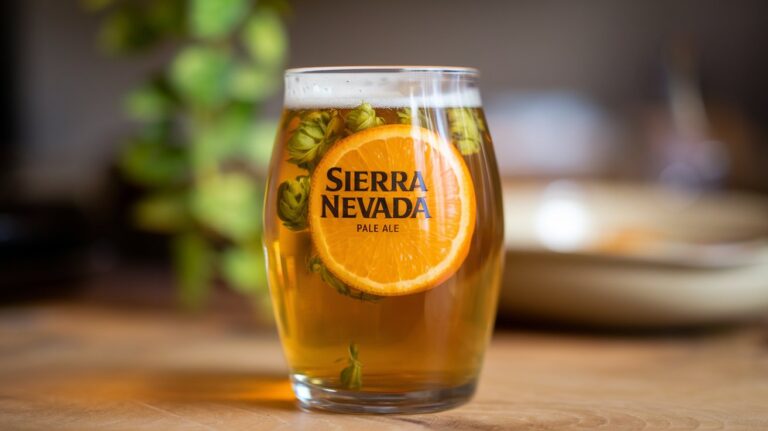
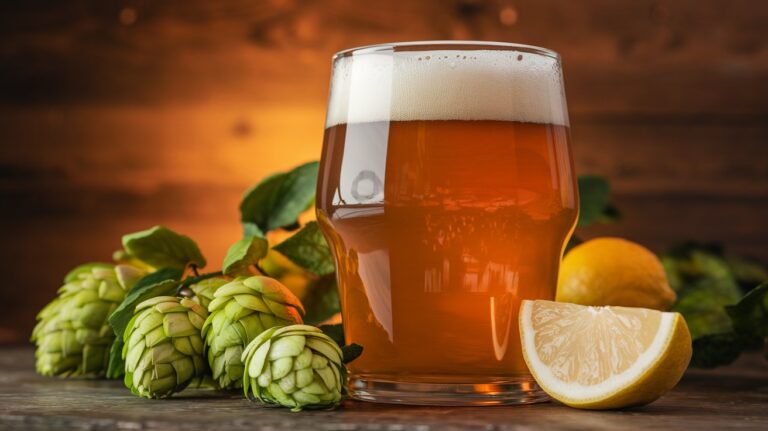
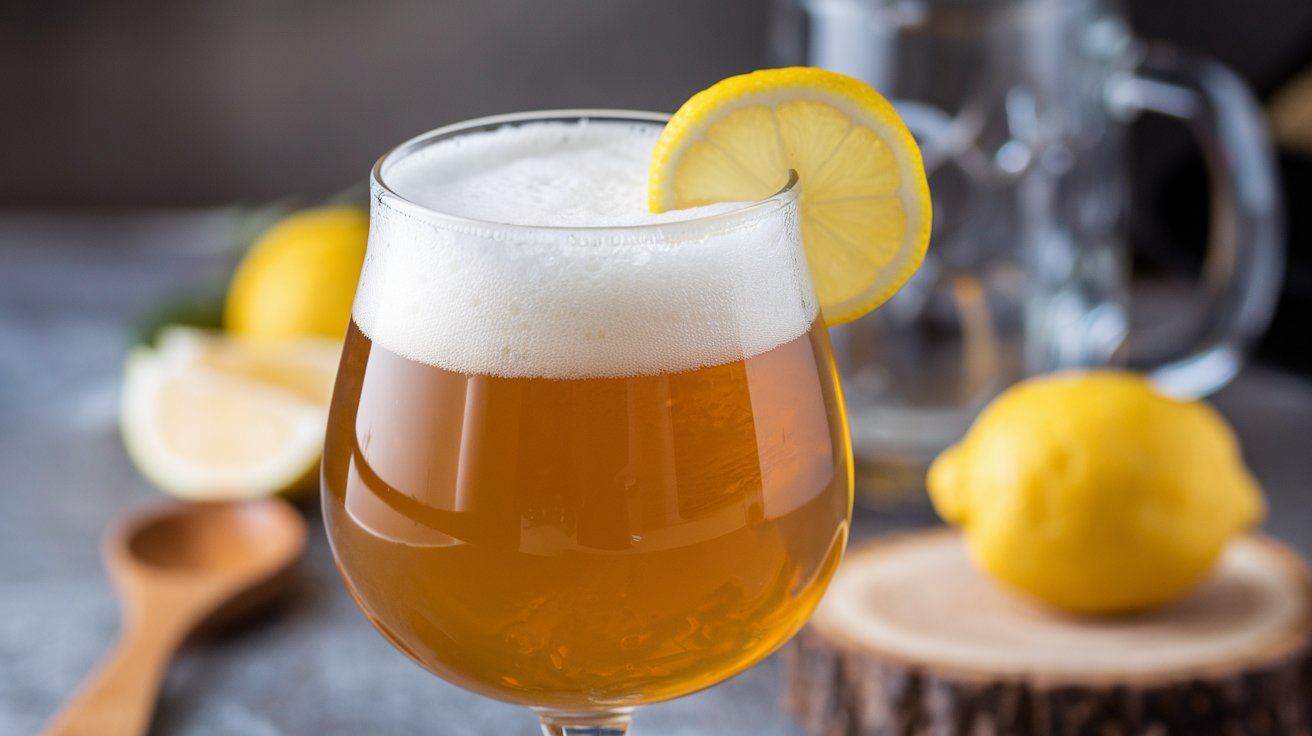
Belgian blonde ale presents a beautiful golden appearance ranging from pale straw to deep amber, typically measuring 4-8 SRM on the color scale. The beer should display excellent clarity with brilliant transparency, topped by a dense, long-lasting white to off-white head that demonstrates proper carbonation and quality ingredients. Head retention typically lasts 3-5 minutes in proper glassware, leaving attractive lacing patterns down the glass sides.
Aroma Profile
The aromatic profile features complex yeast character as the dominant element, producing fruity esters reminiscent of banana, apple, and pear alongside subtle spicy phenolics. Light grain sweetness provides balance, while noble hop varieties contribute floral and herbal notes without overwhelming the yeast-driven aromatics. Some examples may display hints of honey or light caramel from specialty malts, creating an inviting and sophisticated bouquet.
Brewing Process and Ingredients
Creating authentic Belgian blonde ale requires careful attention to ingredient selection and traditional brewing techniques. The grain bill typically consists of 80-90% Belgian Pilsner malt as the base, supplemented with small amounts of Munich malt, wheat, or light caramel malts for complexity and body. Sugar additions, particularly Belgian candi sugar or simple sucrose, help achieve the characteristic dry finish and boost alcohol content without adding excessive body or sweetness.
The fermentation process proves crucial for developing proper flavor characteristics. Belgian ale yeast strains, particularly Westmalle or similar cultures, ferment at temperatures between 68-78°F to encourage ester and phenol production. Primary fermentation typically lasts 5-7 days, followed by extended conditioning periods of 4-8 weeks that allow flavors to mature and integrate properly before packaging.
Hop Selection and Usage
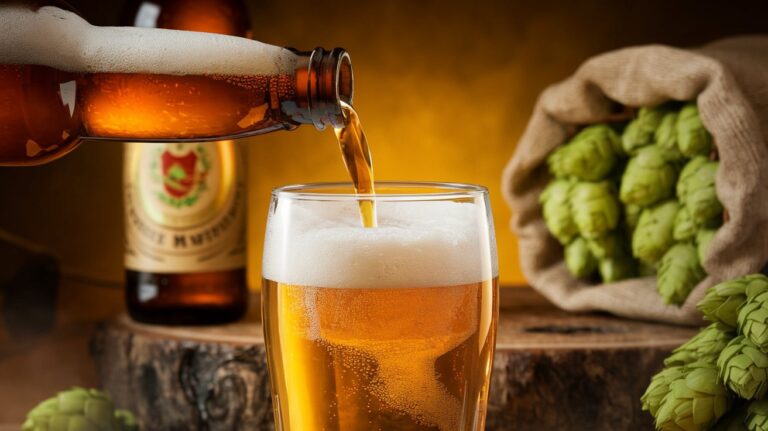
Traditional Belgian blonde ale hopping emphasizes noble varieties such as Saaz, Styrian Goldings, or East Kent Goldings, added primarily for subtle flavor and aroma rather than aggressive bitterness. Hop rates typically range from 15-30 IBU, providing just enough bitterness to balance malt sweetness without competing with yeast character. Late additions and dry hopping remain uncommon in traditional examples, though some modern interpretations incorporate these techniques.
Water Chemistry
Water composition significantly impacts the final beer quality, with Belgian breweries traditionally using soft to moderately hard water profiles. Optimal mineral content includes 50-150 ppm calcium, 0-50 ppm magnesium, and moderate sulfate levels around 100-200 ppm. Many American brewers adjust their water chemistry to mimic Belgian profiles, ensuring proper yeast health and flavor development throughout the brewing process.
Popular Belgian Blonde Ale Brands
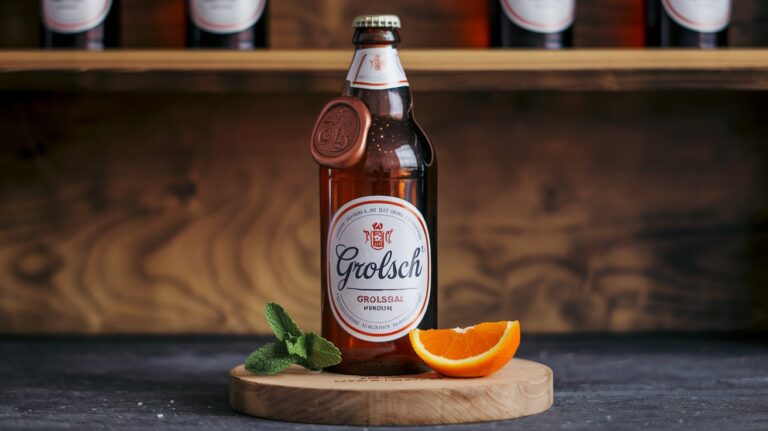
Several iconic Belgian blonde ales serve as benchmark examples of the style, with Leffe Blonde leading international recognition since its commercial introduction in 1952. This widely available beer demonstrates classic characteristics with its golden color, fruity yeast character, and smooth drinkability. Stella Artois, though technically a pilsner, shares similar visual characteristics and has introduced many Americans to Belgian brewing traditions through extensive marketing and distribution networks.
Craft brewery interpretations have flourished across the United States, with notable examples including Ommegang Rare Vos, Boulevard Tank 7, and Russian River Salvation. These American versions often showcase increased hop character or unique ingredient additions while maintaining respect for traditional Belgian brewing principles and yeast selection that defines authentic blonde ale character.
Food Pairing Suggestions
The versatile nature of Belgian blonde ale makes it exceptional for food pairing opportunities across diverse cuisines. Light seafood preparations, particularly grilled fish, shellfish, and sushi, complement the beer’s crisp character and subtle spice notes. The moderate alcohol content and balanced flavor profile work beautifully with spicy Asian cuisine, helping cool the palate while enhancing aromatic spices rather than competing with them.
Cheese pairings offer excellent opportunities to explore flavor combinations, with soft-ripened varieties like Brie or Camembert creating luxurious mouthfeel contrasts. Aged Gouda, Belgian Abbey cheeses, and fresh goat cheese all provide different textural and flavor experiences. For desserts, fruit tarts, crème brûlée, and light chocolate preparations allow the beer’s fruity esters and spice character to shine without overwhelming delicate flavors.
Seasonal Pairing Ideas
Seasonal food combinations enhance the drinking experience throughout the year. Spring vegetables like asparagus, artichokes, and fresh herbs pair wonderfully with the beer’s crisp character. Summer grilling applications work perfectly with lighter proteins, while fall harvest flavors like roasted squash and apple-based dishes complement the fruity yeast esters naturally present in quality examples.
International Cuisine Matches
The global versatility of Belgian blonde ale extends to international cuisines, particularly Thai and Vietnamese dishes where the beer’s spice character enhances aromatic herbs and chilies. Mediterranean preparations featuring olive oil, herbs, and light proteins create harmonious combinations, while the beer’s carbonation cuts through rich sauces and creamy textures found in French and Italian cooking traditions.
Serving and Storage Guidelines
Proper serving techniques maximize the Belgian blonde ale experience, beginning with appropriate glassware selection. Traditional Belgian chalices or tulip glasses concentrate aromatics while providing adequate surface area for head formation and retention. Serving temperature should range between 45-50°F, allowing the complex yeast character to express fully without being masked by excessive coldness that can mute delicate flavors and aromatics.
Storage considerations ensure optimal beer quality over time. Most Belgian blonde ales benefit from cool, dark storage at temperatures below 65°F, away from direct sunlight and temperature fluctuations. Many examples improve with short-term aging of 3-6 months, allowing harsh flavors to mellow while maintaining hop freshness and yeast viability for continued complexity development.
Homebrewing Belgian Blonde Ale
Homebrewing Belgian blonde ale requires attention to detail and patience for proper fermentation development. Start with a simple grain bill featuring Belgian Pilsner malt (8-10 lbs for 5 gallons), supplemented with 0.5-1 lb of Munich malt and 8-16 oz of Belgian candi sugar added during the boil. Target an original gravity of 1.055-1.070 and final gravity around 1.008-1.014 for proper attenuation and body characteristics.
Fermentation management proves critical for authentic flavor development. Use genuine Belgian ale yeast strains such as Wyeast 1214 or White Labs WLP540, maintaining temperatures between 68-75°F throughout primary fermentation. Allow extended conditioning time of 4-6 weeks minimum before packaging, followed by additional bottle conditioning at room temperature for 2-3 weeks to achieve proper carbonation levels and flavor maturation.
Recipe Variations
Creative recipe modifications allow homebrewers to explore different interpretations while maintaining style integrity. Consider adding 5-10% wheat malt for enhanced head retention and mouthfeel, or incorporate specialty malts like biscuit or honey malt in small quantities. Fruit additions during secondary fermentation can create interesting seasonal variations, though traditional examples remain fruit-free to showcase pure yeast character.
Common Brewing Mistakes
Avoiding typical brewing errors ensures better results in homebrew Belgian blonde ale. Over-hopping remains the most common mistake, as excessive bitterness masks delicate yeast character that defines the style. Fermentation temperature control proves equally important, as temperatures above 80°F produce harsh fusel alcohols while temperatures below 65°F may result in incomplete attenuation and poor ester development.
Related video about belgian blonde ale
This video complements the article information with a practical visual demonstration.
Essential Q&A about belgian blonde ale
What is the alcohol content of Belgian blonde ale?
Belgian blonde ale typically contains 6.0-8.5% ABV, with most commercial examples falling between 6.5-7.5%. This moderate to high alcohol content provides subtle warmth without overwhelming the delicate yeast character and hop balance that defines the style.
How does Belgian blonde ale differ from regular lager beer?
Belgian blonde ale uses top-fermenting ale yeast that produces complex fruity esters and spicy phenols, while lagers use bottom-fermenting yeast for cleaner flavors. Blonde ales also feature higher alcohol content, more carbonation, and distinctive Belgian yeast character absent in typical American lagers.
What foods pair best with Belgian blonde ale?
Belgian blonde ale pairs excellently with seafood, light poultry, soft cheeses like Brie, Asian cuisine, and fruit-based desserts. The beer’s crisp character and moderate spice notes complement rather than overpower delicate flavors while cutting through richer, creamy textures effectively.
Can I age Belgian blonde ale at home?
Most Belgian blonde ales are best consumed fresh within 12-18 months, though some stronger examples can benefit from 6-12 months of cool, dark storage. Extended aging beyond two years typically diminishes hop character and may develop off-flavors rather than improving complexity.
What makes Belgian yeast strains special for blonde ale?
Belgian yeast strains produce unique combinations of fruity esters and spicy phenolic compounds that create the distinctive character of blonde ale. These yeasts also achieve high attenuation rates, creating the dry finish and complex flavor profile that differentiates Belgian ales from other beer styles.
Is Belgian blonde ale gluten-free?
Traditional Belgian blonde ale contains gluten from wheat and barley malts used in brewing. However, some craft breweries now produce gluten-free versions using alternative grains like rice, corn, or sorghum, though these differ significantly from authentic examples in flavor and mouthfeel characteristics.
| Key Aspect | Important Details | Benefit |
|---|---|---|
| ABV Range | 6.0-8.5% alcohol content | Perfect balance of strength and drinkability |
| Serving Temperature | 45-50°F in tulip glass | Optimal aroma and flavor expression |
| Food Pairing | Seafood, Asian cuisine, soft cheeses | Versatile dining companion |
| Storage Life | 12-18 months when properly stored | Maintains quality and freshness |
| Belgian Yeast | Produces fruity esters and spicy phenols | Distinctive complex flavor profile |