Milk Stout: Complete Guide to the Creamy Beer Style 2025
Milk stout is a sweet, creamy beer style that incorporates lactose sugar to create a distinctively smooth and rich drinking experience. Also known as sweet stout or cream stout, this dark beer offers lower bitterness than traditional stouts while delivering complex flavors of chocolate, coffee, and caramel that have made it increasingly popular among American craft beer enthusiasts.
What is Milk Stout and Its Key Characteristics
Milk stout gets its name from the addition of lactose, a milk sugar that cannot be fermented by beer yeast. This unfermentable sugar remains in the finished beer, providing natural sweetness and a creamy mouthfeel that balances the roasted malt bitterness typical of dark beers. The style typically ranges from 4% to 6% alcohol by volume, making it more sessionable than many imperial stouts.
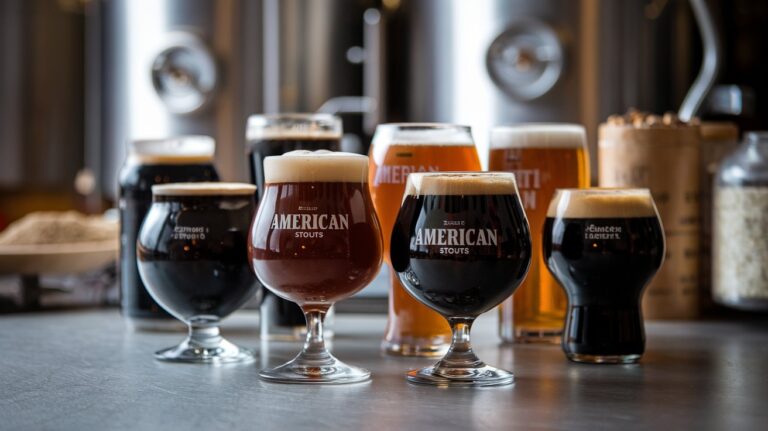
The defining characteristics of milk stout include a dark brown to black color, creamy tan head, and a full-bodied texture. The lactose contributes to both the sweetness and the enhanced mouthfeel, creating what many brewers describe as a silky or velvety drinking experience. Modern American craft brewers have embraced this style, often adding vanilla, chocolate, or coffee to complement the natural dairy-like qualities.
History and Origins of Milk Stout
The milk stout style originated in England during the late 19th century when brewers began experimenting with lactose additions to create sweeter, more nutritious beers. Initially marketed as a health tonic, these beers were promoted to nursing mothers and invalids as a source of nutrition. The Mackeson brewery, founded in 1890, became one of the most famous producers of milk stout in Britain.
In the United States, milk stout experienced a resurgence during the craft beer revolution of the 1990s and 2000s. American breweries like Left Hand Brewing Company and Founders Brewing helped popularize the style with their award-winning interpretations. Today, over 400 American craft breweries produce some variation of milk stout, making it one of the fastest-growing beer styles in the country.
Brewing Process and Ingredients
The brewing process for milk stout follows traditional stout methods with the crucial addition of lactose during fermentation. Brewers typically use a base of pale malt combined with various dark malts including chocolate malt, black patent malt, and roasted barley. These specialty grains contribute the characteristic dark color and roasted flavors that define the stout family.
Lactose is usually added during the boil or late in fermentation, with most milk stout recipes calling for 0.5 to 1.5 pounds per barrel. The amount of lactose directly impacts the beer’s sweetness and body, with American craft brewers often pushing these boundaries higher than traditional English recipes. Modern breweries also experiment with different yeast strains, with many choosing English ale yeasts that complement the creamy texture.
Popular American Milk Stout Brands
Left Hand Brewing Company’s Milk Stout Nitro has become the benchmark for American milk stout, available in all 50 states and consistently ranking among the top-selling craft stouts. The nitro version, dispensed with nitrogen gas, creates an exceptionally creamy texture that exemplifies the style’s appeal. In 2024, Left Hand produced over 25,000 barrels of their milk stout varieties.
Other notable American milk stout producers include Founders Breakfast Stout, which incorporates chocolate and coffee alongside lactose, and Duck-Rabbit Milk Stout from North Carolina. Regional favorites like Lancaster Milk Stout from Pennsylvania and Mother’s Milk from Keegan Ales in New York have built strong local followings, demonstrating the style’s broad appeal across different American markets.
Flavor Profile and Tasting Notes
A well-crafted milk stout presents a complex flavor profile that balances sweetness with roasted malt character. The initial taste typically reveals notes of milk chocolate, vanilla, and caramel, followed by subtle coffee and dark chocolate flavors from the roasted malts. The lactose provides a lingering sweetness that never becomes cloying when properly balanced.
The mouthfeel of milk stout is perhaps its most distinctive characteristic, offering a creamy, almost chewy texture that coats the palate. Alcohol warmth is typically minimal due to the moderate strength, while carbonation levels are usually lower than standard ales, contributing to the smooth drinking experience. The finish often reveals hints of vanilla and coffee, with the sweetness gradually fading to reveal subtle roasted grain complexity.
Food Pairing Recommendations
The sweet and creamy nature of milk stout makes it an exceptional pairing beer for desserts and rich foods. Classic pairings include chocolate cake, tiramisu, crème brûlée, and vanilla ice cream, where the beer’s natural sweetness complements rather than competes with dessert flavors. The roasted malt character also works beautifully with dark chocolate desserts and coffee-based treats.
For savory pairings, milk stout excels with barbecued meats, particularly beef brisket and pork ribs where the beer’s sweetness balances smoky, spicy flavors. Strong cheeses like aged cheddar, blue cheese, and goat cheese create interesting contrasts with the beer’s creamy texture. Spicy cuisine, including Mexican mole dishes and Indian curry, benefits from the cooling effect of lactose and the beer’s full body.
Serving Temperature and Glassware
Proper serving temperature significantly impacts milk stout enjoyment, with the ideal range being 45-50°F (7-10°C). This slightly warmer serving temperature compared to lighter beers allows the complex flavors and aromas to fully develop while maintaining the creamy mouthfeel that defines the style. Too cold, and the flavors become muted; too warm, and the alcohol can become prominent.
The best glassware for milk stout includes snifters, tulip glasses, or traditional pint glasses that allow for proper aroma concentration. Many breweries recommend their specific glassware, with Left Hand Brewing promoting their nitro glasses designed to showcase the cascading effect of nitrogen-dispensed beer. When pouring, a vigorous pour creates a thick, creamy head that enhances both visual appeal and aroma release.
Lactose Intolerance and Dietary Considerations
Since milk stout contains lactose, individuals with lactose intolerance should exercise caution when consuming this beer style. The lactose content typically ranges from 5-15 grams per 12-ounce serving, which can cause digestive discomfort for sensitive individuals. However, some lactose-intolerant people report being able to enjoy milk stout in moderation without adverse effects.
For those avoiding dairy products, several American craft breweries now produce milk stout alternatives using oat milk, coconut milk, or other plant-based ingredients to achieve similar sweetness and mouthfeel. These lactose-free versions, sometimes called “oat stouts” or “coconut stouts,” provide similar flavor profiles while accommodating dietary restrictions and vegan lifestyles.
Market Trends and Future of Milk Stout
The American milk stout market has experienced remarkable growth, with sales increasing by 15% annually from 2020 to 2024 according to craft beer industry reports. This growth reflects broader consumer trends toward sweeter, more approachable beer styles and the increasing popularity of dessert-inspired craft beers. Many breweries report that milk stout serves as a gateway beer for wine and spirits drinkers entering the craft beer market.
Innovation in milk stout continues with brewers experimenting with various adjuncts including vanilla beans, cinnamon, maple syrup, and exotic chocolates. Barrel-aging programs have also embraced the style, with bourbon barrel-aged milk stouts becoming particularly popular. Industry experts predict continued growth through 2025, driven by seasonal variations and limited-edition releases that keep consumer interest high.
Related video about milk stout
This video complements the article information with a practical visual demonstration.
Frequently Asked Questions
What makes milk stout different from regular stout?
Milk stout contains lactose (milk sugar) that cannot be fermented by yeast, creating a sweeter taste and creamier mouthfeel compared to regular stouts. This addition reduces bitterness and provides a smooth, dessert-like quality that distinguishes it from dry stouts like Guinness.
Can people with lactose intolerance drink milk stout?
People with lactose intolerance should approach milk stout cautiously as it contains 5-15 grams of lactose per serving. While some individuals report minimal issues in moderation, those with severe intolerance should avoid milk stout or seek lactose-free alternatives made with oat or coconut milk.
What alcohol content do most milk stouts have?
Most milk stouts range from 4% to 6% alcohol by volume, making them moderate-strength beers. This lower alcohol content compared to imperial stouts makes milk stout more sessionable while allowing the lactose sweetness and roasted malt flavors to remain prominent without alcohol burn.
How should I store milk stout at home?
Store milk stout in a cool, dark place at 50-55°F, ideally in a refrigerator. Unlike some beer styles that benefit from aging, milk stout is best consumed fresh within 6-12 months of bottling to maintain optimal flavor and the characteristic creamy texture from lactose.
What foods pair best with milk stout?
Milk stout pairs excellently with chocolate desserts, vanilla ice cream, barbecued meats, and strong cheeses. The beer’s sweetness complements desserts while its roasted character balances rich, savory foods. Spicy cuisines like Mexican and Indian dishes also work well with milk stout’s cooling properties.
| Milk Stout Aspect | Key Details | Consumer Benefit |
|---|---|---|
| Lactose Content | 5-15g per serving, unfermentable | Natural sweetness and creamy texture |
| Alcohol Strength | 4-6% ABV typical range | Sessionable and approachable |
| Flavor Profile | Chocolate, coffee, vanilla notes | Complex yet balanced taste experience |
| Market Growth | 15% annual increase 2020-2024 | Wide availability and variety |