Pilsner Beer Guide: History, Styles & Best US Brands 2025
Pilsner represents one of the world’s most beloved beer styles, originating in the Czech Republic in 1842 and revolutionizing brewing forever. This golden, crisp lager features distinctive hop character, clean malt backbone, and refreshing finish that has made pilsner beer the foundation for countless modern lagers consumed across the United States today.
What is Pilsner Beer: Definition and Characteristics
Pilsner is a pale lager beer style characterized by its golden color, crisp texture, and prominent hop bitterness balanced with clean malt sweetness. The original pilsner style was created using soft water, pale malts, and aromatic Saaz hops, resulting in a beer with 4.2-5.8% alcohol by volume. Modern American breweries have adapted this traditional recipe while maintaining the essential characteristics that define authentic pilsner.
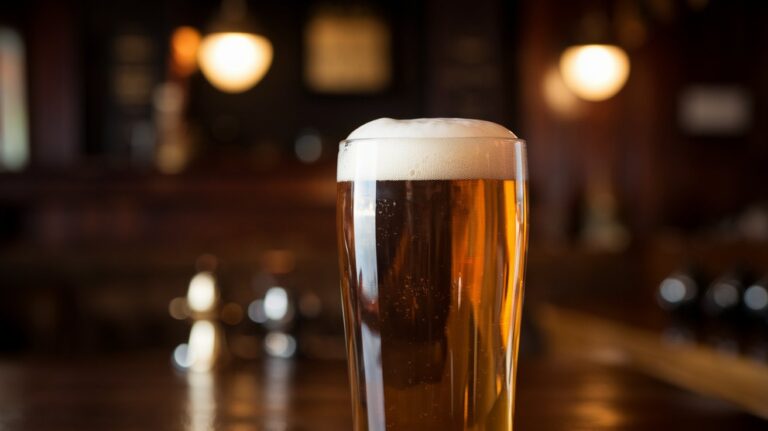
The distinctive pilsner characteristics include a brilliant golden to light amber appearance, persistent white foam head, and a flavor profile dominated by floral hop notes and biscuity malt undertones. Unlike heavier lagers, pilsner maintains exceptional drinkability through its light to medium body and clean, dry finish that leaves drinkers refreshed rather than overwhelmed.
History and Origins of Pilsner
The pilsner history began in 1842 in Pilsen, Bohemia (now Czech Republic), when Bavarian brewer Josef Groll created the first batch using local ingredients and revolutionary brewing techniques. Citizens of Pilsen had grown frustrated with poor-quality local beers and hired Groll to develop something exceptional using their soft water, pale Bohemian malt, and indigenous Saaz hops. This combination, paired with bottom-fermentation techniques, produced a beer unlike anything previously available.
The Czech pilsner quickly gained international recognition, inspiring brewers worldwide to create their own interpretations. By the 1870s, German brewers developed their own German pilsner variations, typically featuring more pronounced hop bitterness and slightly drier finishes. American immigration patterns brought pilsner brewing traditions to the United States, where they evolved into the light lagers that dominate the modern American beer market.
Types of Pilsner Styles
Understanding different pilsner styles helps beer enthusiasts appreciate the diversity within this classic category. Each regional variation reflects local ingredients, brewing traditions, and consumer preferences that have developed over more than 180 years of pilsner evolution.
Bohemian Pilsner (Czech Pilsner)
Bohemian pilsner represents the original style, featuring a rich golden color with complex malt character and moderate hop bitterness ranging from 35-45 IBUs. These beers typically showcase Saaz hops exclusively, providing distinctive spicy and floral notes that complement the biscuity, slightly sweet malt backbone. Famous examples include Pilsner Urquell and Czechvar, both available throughout the United States and representing authentic Czech brewing traditions.
German Pilsner (Pils)
German pilsner or Pils features a drier, more attenuated character with increased hop bitterness typically ranging from 25-45 IBUs and lighter malt presence. German brewers traditionally use noble hops like Hallertau, Tettnang, or Spalt, creating clean, crisp beers with mineral undertones from harder German water. The German pils style emphasizes hop character over malt complexity, resulting in exceptionally refreshing and food-friendly beers perfect for American craft beer markets.
Pilsner Brewing Process and Ingredients
The pilsner brewing process requires precise temperature control, extended lagering periods, and careful ingredient selection to achieve the style’s signature characteristics. Professional brewers typically begin with a simple grain bill featuring 90-100% pale malt, though some recipes incorporate small amounts of Munich or Vienna malt for added complexity. Water chemistry plays a crucial role, with soft water profiles enhancing hop character while harder water emphasizes mineral notes.
Pilsner ingredients traditionally include noble hops added throughout the boiling process, with emphasis on late additions to preserve delicate aromatics. The fermentation process uses bottom-fermenting lager yeast strains at temperatures between 45-55°F, followed by extended cold conditioning periods lasting 4-8 weeks. This patient approach allows harsh flavors to mellow while developing the smooth, clean character that defines quality pilsner beer available in American craft breweries today.
Best American Pilsner Brands in 2025
The American craft beer market has embraced pilsner beer with numerous breweries producing exceptional examples that rival traditional European versions. Leading American pilsner brands combine traditional brewing methods with innovative ingredients and techniques, creating unique interpretations that appeal to modern American palates while respecting classical pilsner traditions.
Craft Brewery Pilsners
Craft pilsner options include Firestone Walker Pivo Pils, featuring California-grown ingredients and German brewing techniques, and Trumer Pils, brewed using authentic Austrian methods in Berkeley, California. Other notable examples include Brooklyn Pilsner, Lagunitas PILS, and Sierra Nevada Nooner, each offering distinct interpretations of classic pilsner styles while maintaining the crisp, refreshing character American consumers expect from quality lagers.
Mass Market Pilsners
Mainstream American pilsner brands like Budweiser, Miller High Life, and Coors Original represent lighter interpretations of traditional pilsner, often incorporating adjuncts like rice or corn to achieve consistent flavor profiles and mass market appeal. While these beers differ significantly from Czech or German originals, they demonstrate pilsner’s influence on American brewing culture and provide accessible entry points for consumers new to pilsner beer styles.
Pilsner Food Pairing and Serving Tips
Pilsner food pairing opportunities are virtually limitless due to the style’s clean, crisp character and moderate alcohol content. The beer’s hop bitterness cuts through rich, fatty foods while its malt sweetness complements lighter fare, making pilsner an ideal choice for diverse American cuisine. Excellent pairings include grilled seafood, roasted chicken, spicy Mexican dishes, Asian stir-fries, and classic barbecue, where pilsner’s refreshing qualities cleanse the palate between bites.
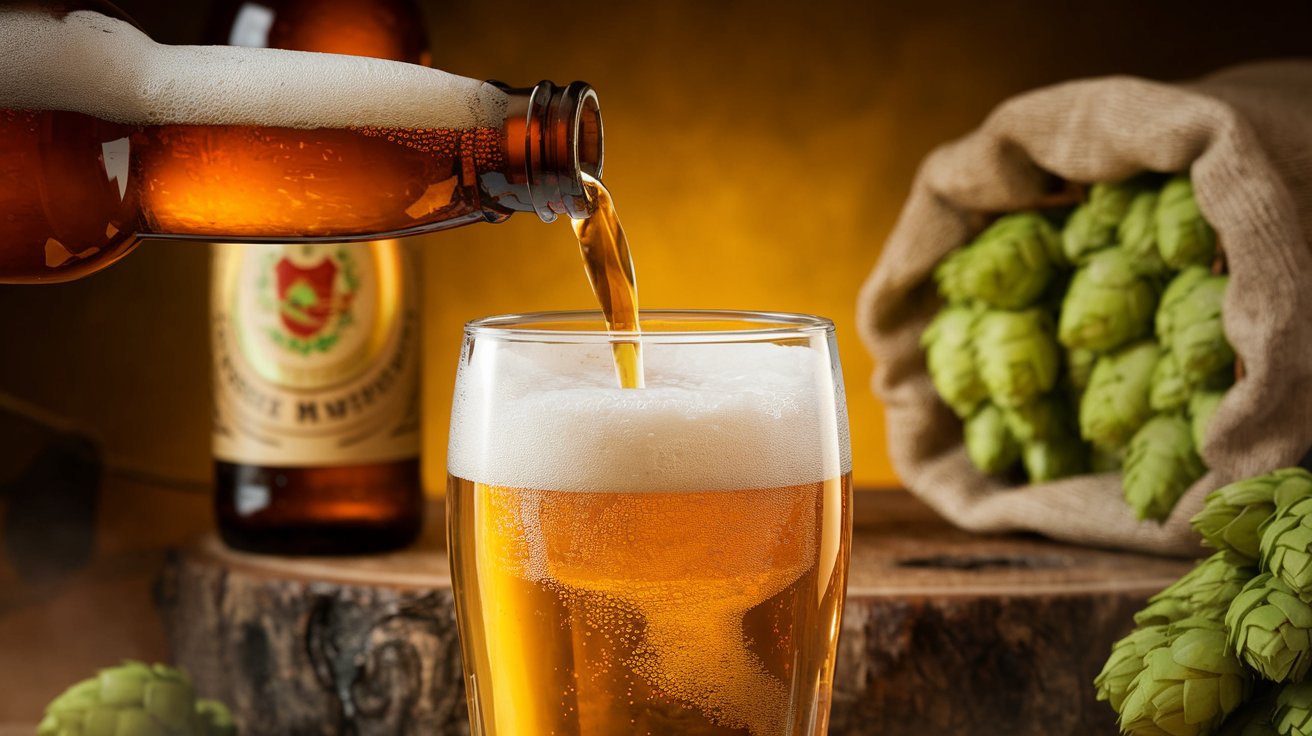
Proper pilsner serving requires appropriate glassware and temperature control to maximize the beer’s aromatic and visual appeal. Serve pilsner beer at 38-45°F in tall, narrow pilsner glasses that showcase the golden color and maintain foam head. The elongated shape concentrates hop aromatics while the wide rim allows proper head formation, enhancing both the drinking experience and visual presentation that makes pilsner perfect for entertaining or casual consumption.
Health Benefits and Nutritional Information
Pilsner nutrition profiles typically feature 140-160 calories per 12-ounce serving with 10-15 grams of carbohydrates and 4-6% alcohol by volume, making it a relatively light option compared to stronger beer styles. The brewing process preserves B vitamins, particularly folate and niacin, while the moderate alcohol content may provide cardiovascular benefits when consumed responsibly as part of a balanced lifestyle.
Studies suggest that moderate pilsner beer consumption may support bone health through silicon content and provide antioxidants from hop compounds, though these benefits only apply to responsible drinking patterns. The style’s lower alcohol content compared to wines or spirits, combined with high water content, makes pilsner a hydrating choice for social occasions while delivering the satisfaction and flavor complexity that beer enthusiasts seek in premium lager options.
Pilsner Storage and Freshness Guidelines
Maintaining pilsner freshness requires proper storage conditions that protect the beer’s delicate hop character and prevent flavor deterioration. Store unopened pilsner bottles and cans in cool, dark environments between 35-50°F, avoiding temperature fluctuations that can cause protein haze and off-flavors. Most pilsner beers maintain optimal quality for 3-6 months when properly stored, though fresher consumption enhances the crisp, hop-forward characteristics that define the style.
Light exposure represents the greatest threat to pilsner quality, causing skunky off-flavors that permanently damage the beer’s intended profile. Brown bottles provide better protection than green or clear glass, while cans offer superior light barrier properties for maintaining freshness during extended storage periods. Always check packaging dates when purchasing pilsner and prioritize recently packaged options to ensure maximum enjoyment of the style’s signature bright, clean flavors.
Related video about pilsner
This video complements the article information with a practical visual demonstration.
FAQ – Common Questions
What makes pilsner different from other lagers?
Pilsner differs from other lagers through its prominent hop character, golden color, and crisp finish. While many lagers emphasize malt sweetness or neutral flavors, pilsner features distinctive hop bitterness balanced with clean malt backbone, creating a more complex and refreshing drinking experience than typical light lagers.
What is the alcohol content of most pilsners?
Most pilsners contain 4.2-5.8% alcohol by volume, with Czech pilsners typically ranging 4.4-5.8% and German pilsners falling between 4.6-5.3%. American craft pilsners often match these ranges, while mass-market versions may be slightly lighter at 4.2-5.0% ABV for broader consumer appeal.
How should I store pilsner beer at home?
Store pilsner beer in cool, dark conditions between 35-50°F, avoiding temperature fluctuations and light exposure that can damage hop character. Keep bottles and cans upright in refrigerators or cool basements, and consume within 3-6 months of packaging for optimal freshness and flavor quality.
What foods pair best with pilsner?
Pilsner pairs excellently with grilled seafood, roasted poultry, spicy cuisines, Asian dishes, and barbecue. The beer’s crisp character and hop bitterness cut through rich, fatty foods while its clean finish refreshes the palate, making it versatile for diverse American dining experiences.
Are American pilsners authentic compared to Czech originals?
American pilsners range from authentic traditional interpretations to lighter adaptations. Craft breweries often create faithful versions using imported hops and traditional methods, while mass-market brands typically feature lighter bodies and adjunct ingredients that differ significantly from original Czech pilsner characteristics.
What temperature should pilsner be served?
Serve pilsner at 38-45°F in tall pilsner glasses to maximize aroma, maintain foam head, and showcase the golden color. Colder temperatures mute flavors while warmer serving diminishes the refreshing character that makes pilsner ideal for various occasions and food pairings.
| Pilsner Aspect | Key Details | Consumer Benefit |
|---|---|---|
| Alcohol Content | 4.2-5.8% ABV typical range | Moderate strength, sessionable drinking |
| Flavor Profile | Crisp, hoppy, clean finish | Refreshing and food-friendly |
| Serving Temperature | 38-45°F optimal range | Maximum aroma and refreshment |
| Storage Life | 3-6 months properly stored | Reasonable shelf stability |
| Food Pairing | Versatile with most cuisines | Perfect dinner companion |