Pint of Bitter Meaning: British Beer Guide for Americans
A pint of bitter is a classic British beer style served in 20-ounce imperial pint glasses, known for its hoppy flavor and golden to amber color. This traditional English ale represents centuries of brewing heritage and remains a cornerstone of British pub culture, offering a distinctly different experience from American beers.
What Is Bitter Beer
Bitter beer is a traditional English ale characterized by its prominent hop bitterness and malty backbone. Unlike American IPAs, British bitters are generally lower in alcohol content, ranging from 3% to 5% ABV, and showcase earthy English hops rather than citrusy American varieties. The beer style emerged in the 18th century as brewers began using more hops for preservation and flavor enhancement.
The defining characteristic of bitter beer is its balance between malt sweetness and hop bitterness, creating a refreshing and sessionable drinking experience. Traditional bitters are cask-conditioned, meaning they undergo secondary fermentation in the cask, resulting in a naturally carbonated beer with complex flavors and a smooth, creamy texture that sets them apart from mass-produced lagers.
Types of Bitter Beer
Ordinary bitter represents the lightest category, typically ranging from 3% to 3.9% ABV with a golden to amber color and moderate hop character. This style prioritizes drinkability and was historically the most common pub beer in England, offering workers a refreshing low-alcohol option during long drinking sessions.
Premium and Strong Bitters
Best bitter or premium bitter ranges from 4% to 4.9% ABV and features more pronounced malt character and hop complexity. Extra Strong Bitter (ESB) pushes the boundaries further with 5% to 6.5% ABV, offering rich malty sweetness balanced by assertive hop bitterness that appeals to craft beer enthusiasts seeking fuller-bodied experiences.
The Imperial Pint Measurement
An imperial pint of bitter contains exactly 20 fluid ounces, significantly larger than the American pint’s 16 fluid ounces. This measurement dates back to 1824 when Britain standardized the imperial system, and the larger serving size reflects the lower alcohol content and sessionable nature of traditional British beers.
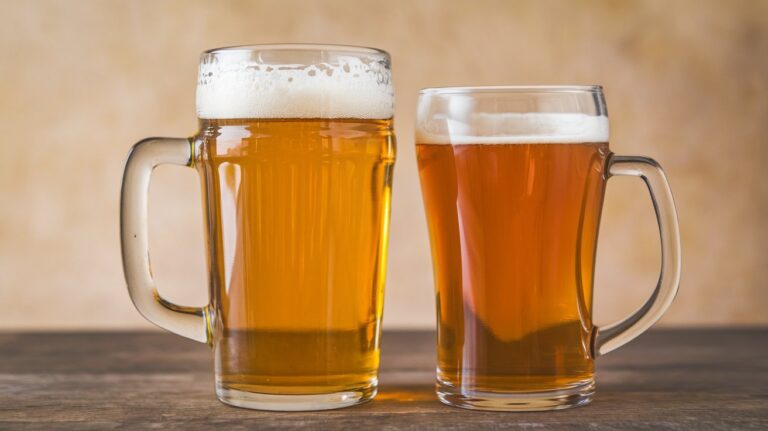
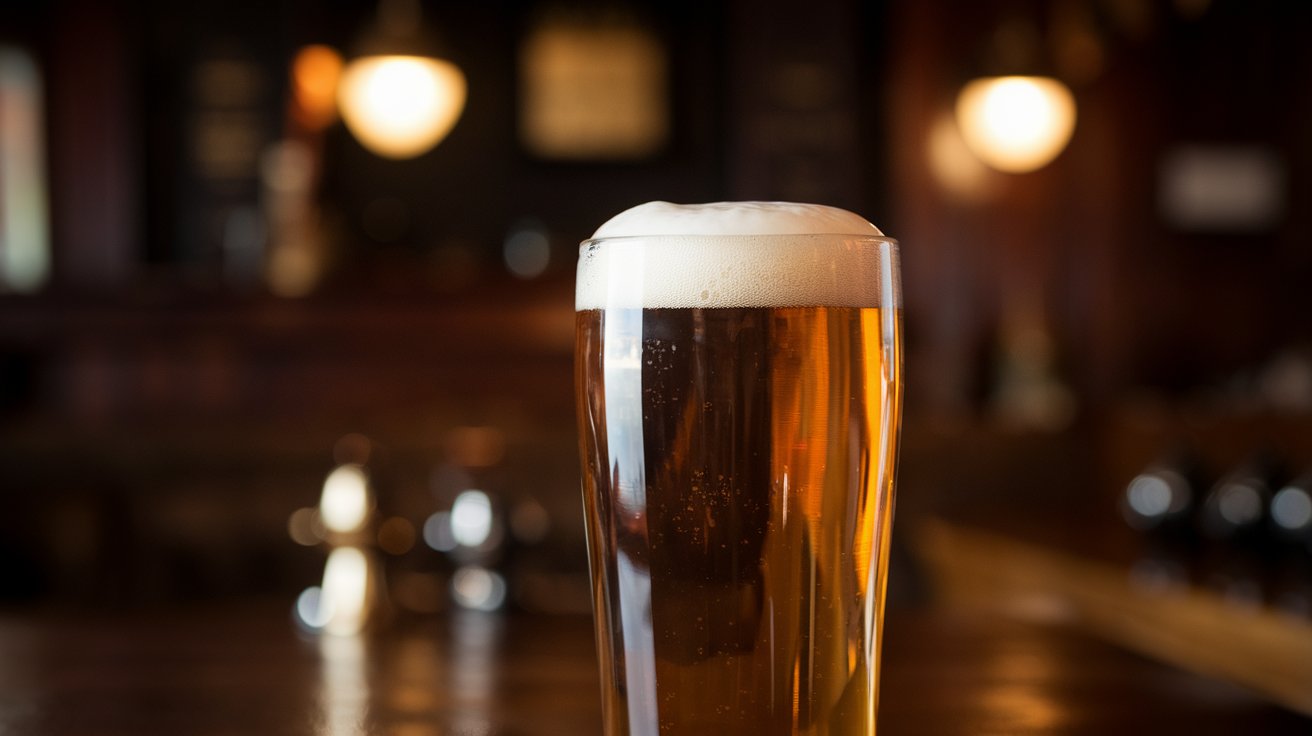
The pint glass itself has evolved into an iconic symbol of British pub culture, with the traditional tulip-shaped glass designed to showcase the beer’s color and concentrate its aroma. Modern pint glasses feature a crown stamp indicating they meet official capacity requirements, ensuring customers receive the full 20-ounce measure mandated by British trading standards.
Taste Profile and Characteristics
A traditional pint of bitter delivers a complex flavor profile beginning with biscuity malt sweetness on the palate, followed by earthy, floral hop bitterness that provides a clean, dry finish. The beer’s moderate carbonation level creates a smooth mouthfeel, while traditional English hop varieties like Fuggle and Goldings contribute herbal and spicy notes rather than the tropical fruit flavors found in modern American craft beers.
The bitter taste comes primarily from the higher hopping rate compared to mild ales, but it’s balanced rather than overwhelming. Cask-conditioned versions develop additional complexity through natural carbonation and yeast character, creating subtle fruity esters and a fuller body that enhances the overall drinking experience for those seeking authentic British beer flavors.
Color and Appearance
Most bitter beers display colors ranging from pale gold to deep amber, achieved through combinations of pale malt, crystal malts, and sometimes small amounts of chocolate or black malt. The beer typically pours with a moderate off-white to tan head that dissipates relatively quickly due to lower carbonation levels.
Aroma and Mouthfeel
The aroma of a proper pint of bitter combines sweet malty notes with earthy, herbal hop character and sometimes subtle fruity esters from the ale yeast. The mouthfeel is typically medium-light to medium-bodied with moderate carbonation that allows the complex flavors to develop on the palate without overwhelming the drinker.
British Pub Culture and Bitter
In British pub culture, ordering a pint of bitter represents more than just a drink choice—it’s a connection to centuries of brewing tradition and social customs. The phrase itself has become synonymous with the British pub experience, where locals gather for conversation over their preferred bitter, often served at cellar temperature rather than the ice-cold temperatures preferred for American beers.
Traditional pub etiquette around bitter includes understanding that cask ales are served at around 50-55°F, allowing the complex flavors to express themselves fully. Regular patrons often have their preferred bitter and usual spot at the bar, creating a sense of community and tradition that extends far beyond the beverage itself into the heart of British social culture.
How to Order Bitter Beer
When ordering a pint of bitter in a British pub, simply asking for ‘a pint of bitter’ will typically get you the house bitter or most popular option. However, most pubs offer multiple bitter choices, so specifying the brewery or asking for recommendations shows knowledge and appreciation for the style.
Understanding the serving method is crucial—cask bitter is hand-pulled through a beer engine, creating the distinctive creamy texture, while keg bitter is served under pressure like American beers. Cask-conditioned bitter represents the traditional experience and is worth trying for its unique character and connection to British brewing heritage.
Popular Bitter Brands
Traditional bitter brands include Fuller’s London Pride, Greene King IPA, and Timothy Taylor Landlord, each offering distinct interpretations of the classic style. Regional variations exist throughout England, with Northern bitters often being more malty while Southern versions tend to emphasize hop character.
Seasonal and Specialty Bitters
Many British breweries produce seasonal bitter variations, including winter warmers with higher alcohol content and summer bitters with enhanced hop character. These specialty versions allow brewers to showcase creativity while maintaining the fundamental characteristics that define the bitter style.
Bitter vs American Beer Styles
Compared to American craft beers, a pint of bitter offers a more subtle and balanced approach to hop flavor, emphasizing drinkability over intensity. While American IPAs often feature aggressive hop bitterness and tropical fruit flavors, British bitters showcase earthy, herbal hop character that complements rather than dominates the malt backbone.
The alcohol content difference is significant, with most British bitters containing 3-5% ABV compared to American craft beers that often exceed 6-8% ABV. This lower strength makes bitter an excellent session beer, allowing for extended social drinking without the overwhelming effects of higher-alcohol beverages commonly found in American craft beer culture.
Finding Bitter Beer in America
American beer enthusiasts seeking authentic bitter beer can find imported versions at specialty beer stores and British-style pubs across the United States. Cities with strong British heritage like Boston, Philadelphia, and San Francisco often feature pubs specializing in traditional British ales and proper cask-conditioned bitter service.
Several American craft breweries now produce English-style bitter using traditional methods and ingredients, offering domestic alternatives that capture the essence of the style. These American interpretations often maintain the balance and sessionability of traditional bitter while sometimes incorporating subtle American touches that appeal to local palates seeking authentic British beer experiences.
Related video about pint of bitter meaning
This video complements the article information with a practical visual demonstration.
What you should know
What does pint of bitter mean in British culture?
A pint of bitter refers to a 20-ounce serving of traditional English ale characterized by hoppy bitterness and malty balance. It represents a cornerstone of British pub culture, typically served at cellar temperature and enjoyed as a social drink during extended pub sessions.
How is bitter beer different from American IPA?
Bitter beer features earthy, herbal English hops and lower alcohol content (3-5% ABV) compared to American IPAs which use citrusy hops and higher alcohol (6-8% ABV). British bitter emphasizes balance and sessionability rather than intense hop flavor and aroma.
Why is it called bitter beer?
The name comes from the prominent hop bitterness that distinguishes it from sweeter ale styles like mild. The increased hop content originally served as a preservative and became the defining characteristic, leading to the straightforward name that reflects the beer’s primary flavor profile.
What temperature should bitter beer be served?
Traditional bitter beer is served at cellar temperature, approximately 50-55°F (10-13°C), which is warmer than American beers. This temperature allows the complex malt and hop flavors to express themselves fully, providing the optimal tasting experience for this traditional British style.
Can you buy bitter beer in the United States?
Yes, bitter beer is available in the US through imported British brands and American craft breweries producing English-style bitter. Specialty beer stores, British pubs, and some craft breweries offer authentic versions, with cities having British heritage providing the best selection and proper serving methods.
| Key Aspect | Important Details | Benefit |
|---|---|---|
| Imperial Pint Size | 20 fluid ounces vs 16 oz American pint | More generous serving for social drinking |
| Alcohol Content | 3-5% ABV, lower than most craft beers | Perfect for extended pub sessions |
| Hop Character | Earthy English hops, balanced bitterness | Complex flavor without overwhelming intensity |
| Serving Temperature | Cellar temperature 50-55°F | Optimal flavor expression and aroma |