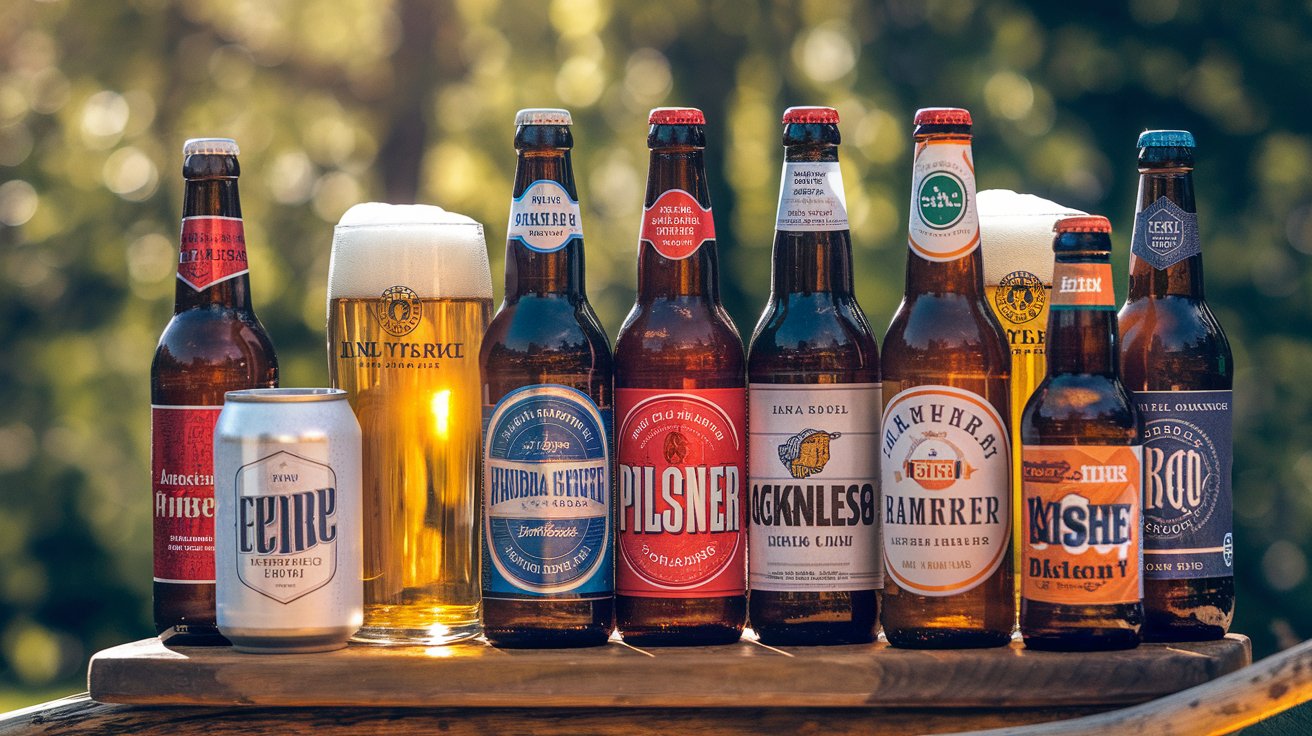
Best Pilsner Beers 2025: Top American & Import Picks
The best pilsner beers combine crisp refreshment with authentic brewing techniques that have defined this style for over 180 years. Whether you prefer traditional Czech pilsners, modern American craft interpretations, or German classics, 2025 offers exceptional options across all price points and flavor profiles for discerning beer enthusiasts.
What Makes a Great Pilsner Beer
A premium pilsner beer showcases five essential characteristics that separate exceptional brews from ordinary lagers. The golden to pale straw color provides visual appeal, while the distinctive hop aroma from noble hops like Saaz creates the signature floral and spicy notes. Clean fermentation using bottom-fermenting yeast produces the smooth, crisp finish that makes pilsners incredibly refreshing.
The pilsner brewing process requires precise temperature control during lagering, typically 32-40°F for 4-8 weeks. This extended cold conditioning develops the beer’s characteristic clarity and smoothness. Quality pilsners maintain a delicate balance between malt sweetness and hop bitterness, usually ranging from 25-45 IBUs depending on the specific style and brewery approach.
Top American Craft Pilsners
American craft pilsners have revolutionized this traditional style by incorporating innovative hop varieties and modern brewing techniques while respecting classic foundations. Leading craft breweries across the United States have elevated pilsner production to match their acclaimed IPA and stout offerings, creating distinctive regional variations that reflect local ingredients and brewing philosophies.
West Coast Pilsner Champions
West Coast breweries produce some of the most hop-forward pilsners in America, utilizing Pacific Northwest hops like Cascade and Centennial. Russian River Brewing’s Pilsner showcases Magnum and Liberty hops with impeccable balance, while Modern Times Fortunate Islands delivers tropical hop character with traditional pilsner drinkability. These beers typically range from $12-16 per six-pack and represent the pinnacle of American pilsner innovation.
Midwest Traditional Approaches
Midwestern breweries excel at traditional pilsner styles that honor European heritage while incorporating American ingredients. Metropolitan Brewing’s Krankshaft Kolsch-Pils hybrid and Urban Chestnut’s Zwickel showcase German brewing techniques with locally sourced grains. These beers maintain authentic flavor profiles while offering excellent value at $10-13 per six-pack for premium craft quality.
Classic German Pilsners
German pilsners represent the gold standard for this beer style, with centuries of brewing expertise creating consistently exceptional examples. The Pils style originated in northern Germany and differs from Czech pilsners through increased hop character and drier finish. German brewing laws ensure authentic ingredients and traditional methods that produce reliably excellent results.
Premium German Imports
Premium imported German pilsners like Bitburger Premium Pils and Warsteiner Premium Verum deliver authentic European character with noble hop complexity. These beers undergo extended lagering periods of 6-12 weeks, creating exceptional smoothness and clarity. Prices typically range from $9-14 per six-pack, making them accessible options for experiencing traditional German brewing excellence.
Regional German Specialties
Regional German breweries produce distinctive pilsner variations that reflect local water profiles and hop varieties. Augustiner Lagerbier Hell and Spaten Münchener Hell showcase Bavarian brewing traditions, while Jever Pilsener from northern Germany offers intense hop character. These specialized imports provide authentic German beer experiences for serious pilsner enthusiasts willing to explore beyond mainstream options.
Czech Pilsner Originals
Czech pilsners created the original pilsner style in 1842 at Pilsner Urquell brewery in Plzen, establishing the template that all subsequent pilsners follow. These beers emphasize malt character balanced with Saaz hop spice, creating rounder, more complex flavor profiles than their German counterparts. The soft water of Plzen contributes to the distinctive mouthfeel that makes Czech pilsners uniquely satisfying.
Authentic Czech brewing methods include triple decoction mashing and wooden lagering vessels that impart subtle complexity impossible to replicate elsewhere. Pilsner Urquell remains the benchmark, while Czechvar provides an excellent alternative showcasing traditional Budweiser Budvar brewing. These beers cost $11-15 per six-pack and offer historical significance alongside exceptional taste.
Best Budget Pilsner Options
Affordable pilsner beers don’t require premium pricing to deliver satisfying flavor and quality. Several domestic and import options provide excellent value while maintaining pilsner authenticity. These budget-conscious choices prove that exceptional pilsner experiences remain accessible to all beer drinkers regardless of spending constraints.
Domestic Value Champions
Domestic breweries produce value-priced pilsners that compete favorably with expensive imports. Stella Artois offers consistent Belgian-style character at mainstream pricing, while Modelo Especial provides clean, crisp refreshment with subtle hop presence. These options typically cost $8-11 per twelve-pack, delivering exceptional value for regular consumption without sacrificing pilsner characteristics.
Import Bargains
Several imported pilsners offer authentic European character at surprisingly affordable prices. Heineken provides consistent Dutch brewing quality, while Czechvar occasionally appears at discount pricing despite premium origins. Smart shoppers can find these imports for $7-10 per six-pack during promotional periods, making authentic European pilsners accessible for budget-conscious beer enthusiasts.
Seasonal and Limited Pilsner Releases
Seasonal pilsner releases showcase brewery creativity while honoring traditional pilsner foundations. Spring and summer seasons bring fresh hop harvests that enhance pilsner character, while winter releases often feature extended lagering for increased complexity. These limited offerings provide opportunities to experience innovative approaches to classic pilsner brewing.
Many craft breweries release special edition pilsners featuring unique hop combinations, barrel aging, or collaboration brewing projects. These releases typically command premium pricing of $15-25 per four-pack but offer exclusive experiences for serious beer collectors and pilsner enthusiasts seeking novel flavor combinations.
Pilsner Food Pairing Guide
Pilsner beer pairings excel with foods that complement rather than compete with the beer’s crisp, clean profile. Light seafood, grilled chicken, and fresh salads enhance pilsner’s refreshing qualities, while spicy cuisines benefit from pilsner’s cooling effect. The moderate alcohol content and balanced flavors make pilsners incredibly versatile dining companions.
Traditional European pilsner pairings include schnitzel, bratwurst, and aged cheeses that match the beer’s continental origins. Asian cuisines, particularly Thai and Vietnamese dishes, pair excellently with pilsner’s crisp profile and floral hop character. These combinations create harmonious flavor experiences that highlight both food and beer qualities.
Related video about best pilsner beers
This video complements the article information with a practical visual demonstration.
Frequently Asked Questions
What’s the difference between pilsner and lager beer?
All pilsners are lagers, but not all lagers are pilsners. Pilsner is a specific style of lager featuring golden color, noble hop character, and crisp finish. Regular lagers encompass broader categories including darker Munich lagers, Vienna lagers, and American light lagers. Pilsners specifically use bottom-fermenting yeast and extended cold conditioning for their distinctive clean, refreshing profile.
How should pilsner beer be served for best taste?
Serve pilsner beer at 38-42°F in a tall, narrow glass like a pilsner flute or weizen glass to showcase color and maintain carbonation. Pour with a 1-inch foam head to release hop aromas and enhance visual appeal. Avoid over-chilling below 35°F, which can suppress hop character and malt flavors that define quality pilsners.
Which pilsner style is best for beginners?
Czech pilsners like Pilsner Urquell offer the most approachable introduction due to balanced malt sweetness and moderate hop character. German pilsners provide crisper, more hop-forward profiles that might overwhelm new beer drinkers. American craft pilsners vary widely but often feature familiar hop varieties that ease the transition from mainstream lagers to authentic pilsner styles.
How long do pilsner beers stay fresh?
Most pilsner beers maintain peak freshness for 3-4 months when stored properly in cool, dark conditions. Craft pilsners without pasteurization should be consumed within 6-8 weeks for optimal flavor. Check bottling or canning dates and avoid pilsners older than 6 months, as hop character fades and off-flavors can develop over time.
Are pilsner beers healthier than other beer styles?
Pilsners typically contain 140-160 calories per 12oz serving and 4.5-5.5% alcohol, making them moderate compared to IPAs or stouts. The clean fermentation and quality ingredients used in premium pilsners result in fewer congeners that can cause hangovers. However, all alcoholic beverages should be consumed responsibly regardless of style.
What makes Czech pilsners different from German pilsners?
Czech pilsners emphasize malt character with softer water profiles, creating rounder, more complex flavors with subtle hop spice from Saaz hops. German pilsners feature harder water and more aggressive hopping, producing crisper, drier finishes with pronounced hop bitterness. Czech versions average 4.2-4.8% ABV while German pilsners range 4.8-5.2% ABV with higher IBU levels.
| Pilsner Category | Best Examples | Key Benefits |
|---|---|---|
| American Craft | Russian River, Modern Times | Innovative hop varieties, local character |
| German Traditional | Bitburger, Warsteiner | Authentic brewing methods, consistent quality |
| Czech Original | Pilsner Urquell, Czechvar | Historical significance, balanced complexity |
| Budget Options | Stella Artois, Modelo Especial | Affordable pricing, wide availability |