Brown Ale: Complete Guide to Styles, Brewing & Best Brands
Brown ale represents one of the most versatile and approachable beer styles in the craft brewing world. This malty, medium-bodied beer offers a perfect balance of sweetness and subtle hop character, making it an ideal choice for both new beer drinkers and seasoned enthusiasts. With its rich copper to dark brown color and complex flavor profile, brown ale has experienced a remarkable resurgence in American craft breweries throughout 2024.
What is Brown Ale: Definition and Characteristics
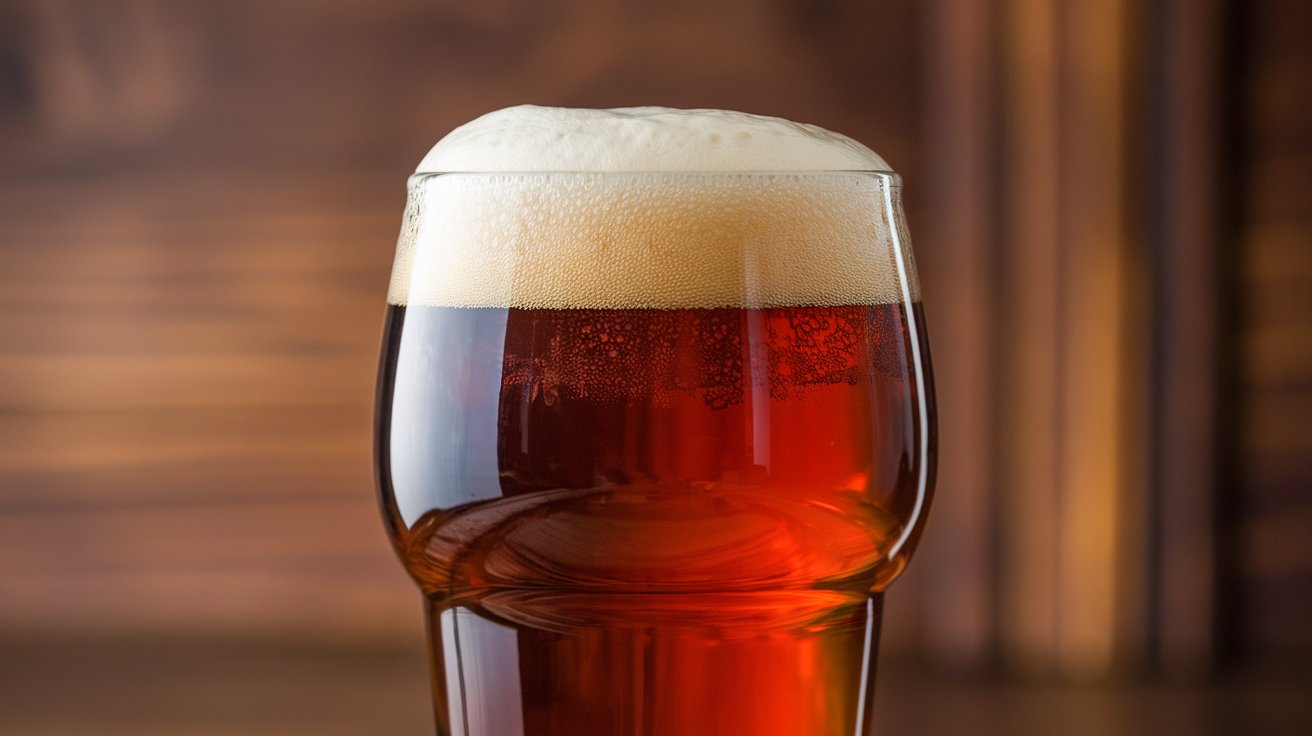
Brown ale is a traditional beer style characterized by its distinctive brown color, malt-forward flavor profile, and moderate alcohol content typically ranging from 4.5% to 6.5% ABV. The style originated in England but has been enthusiastically adopted and adapted by American craft brewers who have created their own unique interpretations. Brown ales showcase a predominant malt character with notes of caramel, toffee, chocolate, and nuts, while maintaining a balanced hop presence that prevents overwhelming sweetness.
The brewing process for brown ale involves using a combination of base malts and specialty grains that contribute to both color and flavor complexity. Crystal malts, chocolate malts, and sometimes roasted barley create the signature brown hue and rich taste profile. American craft breweries have elevated this traditional style by incorporating innovative ingredients and techniques, resulting in brown ales that appeal to modern palates while respecting historical brewing traditions.
Brown Ale Styles and Variations
The world of brown ale encompasses several distinct substyles, each with unique characteristics that cater to different taste preferences and brewing traditions.
English Brown Ale
English brown ale represents the traditional interpretation of this classic style, typically featuring a lower alcohol content of 4.0-5.5% ABV and a more subdued hop character. These brown ales emphasize malt sweetness with flavors of caramel, toffee, and biscuit, while maintaining a smooth, sessionable quality. Notable examples include Newcastle Brown Ale and Samuel Smith’s Nut Brown Ale, which have influenced countless American interpretations of the style.
American Brown Ale
American brown ale showcases the innovative spirit of American craft brewing with increased hop character and often higher alcohol content ranging from 4.5-6.5% ABV. American brewers frequently use citrusy American hops to balance the malt sweetness, creating brown ales with more complex flavor profiles. This style allows for greater creativity, with brewers incorporating ingredients like vanilla, coffee, or seasonal spices to create unique expressions of traditional brown ale characteristics.
Flavor Profile and Tasting Notes
Brown ale offers a complex yet approachable flavor experience that makes it one of the most food-friendly beer styles available today. The initial taste typically presents rich malt sweetness with prominent caramel and toffee notes, followed by subtle chocolate undertones that add depth without overwhelming bitterness. Many brown ales also feature nutty characteristics, particularly almond and hazelnut flavors that complement the overall malt profile beautifully.
The hop character in brown ale varies significantly between English and American interpretations, with English versions focusing on earthy, floral hop notes that provide gentle balance, while American brown ales often showcase citrusy hop flavors that create interesting contrasts with the malt backbone. The finish is typically smooth and warming, with lingering malt sweetness and a clean, satisfying aftertaste that invites another sip.
Top American Brown Ale Brands and Breweries
The American craft beer scene has produced exceptional brown ales that have redefined this classic style for modern beer enthusiasts.
Craft Brewery Champions
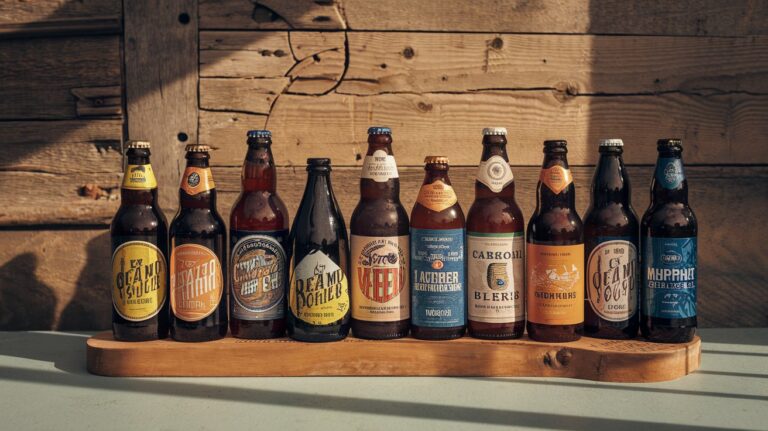
Brown ale production has flourished among American craft breweries, with standout examples including Bell’s Best Brown, Sierra Nevada Tumbler, and Dogfish Head Indian Brown Ale. These breweries have elevated brown ale from a simple session beer to a sophisticated craft offering that showcases brewing excellence and innovation. Each brewery brings unique ingredients and techniques to create brown ales that reflect their individual brewing philosophy while honoring traditional style guidelines.
Regional Specialties
Regional American breweries have created distinctive brown ale interpretations that reflect local ingredients and preferences. West Coast breweries often produce hop-forward brown ales with citrus and pine characteristics, while East Coast versions tend toward more traditional malt-focused profiles. Southern breweries frequently incorporate local ingredients like pecans or sweet potatoes, creating brown ales with unique regional character that celebrates local brewing traditions.
Brewing Brown Ale: Process and Techniques
Brewing exceptional brown ale requires careful attention to grain selection, mashing techniques, and fermentation management. The foundation of any great brown ale starts with quality base malts, typically Maris Otter or American two-row, which provide the essential fermentable sugars and subtle flavor contributions. Specialty grains like Crystal 60L, Chocolate malt, and Victory malt create the signature color and flavor complexity that defines brown ale character.
The mashing process for brown ale typically involves a single-step infusion at 152-156°F to achieve proper attenuation while maintaining body and mouthfeel. Hop additions are usually restrained, with most brown ales receiving bittering hops early in the boil and minimal late additions to preserve malt prominence. Fermentation with clean ale yeast strains like Safale S-04 or Wyeast 1968 ensures that brown ale flavors develop properly without competing esters or phenols.
Food Pairing with Brown Ale
The versatile nature of brown ale makes it an excellent companion for a wide variety of food pairings, from casual weeknight dinners to special occasion meals.
Meat and Protein Pairings
Brown ale pairs exceptionally well with grilled meats, roasted chicken, and barbecue dishes where the malt sweetness complements smoky flavors while the moderate hop character cuts through rich fats. The caramel and toffee notes in brown ale enhance the Maillard reaction flavors in seared steaks and burgers, while the beer’s medium body provides perfect balance without overwhelming delicate proteins like pork tenderloin or salmon.
Cheese and Dessert Combinations
The nutty, caramel characteristics of brown ale create beautiful harmony with aged cheeses like cheddar, gouda, and manchego, while the beer’s moderate carbonation cleanses the palate between bites. For dessert pairings, brown ale complements chocolate-based treats, caramel desserts, and nut-forward baked goods, with the beer’s malt sweetness enhancing rather than competing with dessert flavors.
Brown Ale Market Trends and Statistics 2024
The brown ale segment has experienced steady growth within the American craft beer market throughout 2024, with industry data showing a 12% increase in production compared to 2023 figures. Consumer preferences have shifted toward more approachable beer styles, making brown ale an attractive option for breweries seeking to expand their core offerings. Market research indicates that 68% of craft beer drinkers have tried brown ale within the past year, with 34% identifying it as a preferred style for regular consumption.
Distribution channels for brown ale have expanded significantly, with major grocery chains now carrying multiple brown ale options year-round rather than treating them as seasonal offerings. The average price point for craft brown ale has stabilized at $11-14 per six-pack, making it competitively positioned within the premium beer category while remaining accessible to mainstream consumers seeking quality craft beer experiences.
Serving and Storage Guidelines
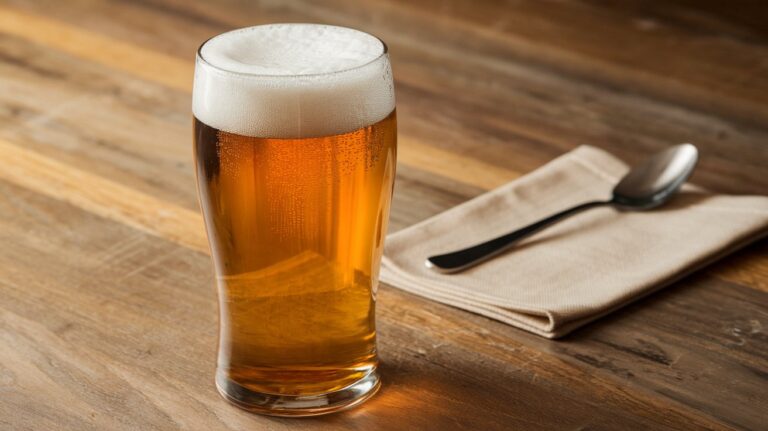
Proper serving technique significantly enhances the brown ale drinking experience, starting with appropriate glassware selection and temperature management. Brown ale should be served at 45-50°F in a tulip glass or English pint glass that allows proper aroma concentration while providing adequate headspace for the beer’s moderate carbonation. This temperature range allows the malt complexity to shine while preventing the alcohol warmth from becoming overpowering.
Storage considerations for brown ale include protecting bottles from light exposure and maintaining consistent cool temperatures between 35-40°F for optimal flavor preservation. Most brown ales are best consumed within 6-9 months of packaging, though some higher-alcohol versions can develop interesting complexity with careful aging up to 18 months when stored properly in temperature-controlled environments.
Related video about brown ale
This video complements the article information with a practical visual demonstration.
Frequently Asked Questions
What does brown ale taste like compared to other beer styles?
Brown ale offers a malt-forward flavor profile with prominent caramel, toffee, and nutty notes, making it sweeter and more approachable than IPAs but more complex than light lagers. The moderate hop character provides balance without overwhelming bitterness, while chocolate undertones add depth. Compared to porters or stouts, brown ale is lighter in body with less roasted character, making it more sessionable for everyday drinking.
What is the alcohol content of brown ale?
Most brown ales range from 4.5% to 6.5% ABV, with English versions typically on the lower end (4.0-5.5%) and American interpretations often reaching higher alcohol levels. This moderate strength makes brown ale perfect for session drinking while still providing enough body and warmth to complement hearty foods. The alcohol level supports the malt character without creating excessive heat or overwhelming the balanced flavor profile.
Is brown ale a good beer for beginners?
Brown ale is considered one of the best beer styles for beginners due to its approachable flavor profile and moderate characteristics. The malt-forward nature provides familiar sweetness without challenging bitterness, while the medium body offers substance without heaviness. Many beer educators recommend brown ale as a gateway style for transitioning from light lagers to more complex craft beers, as it demonstrates craft brewing quality while remaining highly drinkable.
How should I store brown ale at home?
Store brown ale upright in a cool, dark place at temperatures between 35-40°F for optimal quality retention. Avoid temperature fluctuations and direct sunlight, which can cause off-flavors and premature aging. Most brown ales should be consumed within 6-9 months of packaging for peak freshness, though some higher-alcohol versions can benefit from short-term aging. Refrigerate bottles 24-48 hours before serving to achieve proper serving temperature.
What foods pair best with brown ale?
Brown ale pairs excellently with grilled meats, roasted vegetables, aged cheeses, and chocolate desserts due to its balanced malt character and moderate hop presence. The caramel and nutty flavors complement barbecue dishes, while the beer’s medium body stands up to rich foods without overwhelming delicate flavors. Popular pairings include cheddar cheese, beef stew, grilled chicken, and pecan pie, where the brown ale’s complexity enhances rather than competes with food flavors.
What’s the difference between English and American brown ale?
English brown ale emphasizes traditional malt character with lower alcohol content (4.0-5.5% ABV) and restrained hop presence, focusing on biscuity, caramel flavors. American brown ale typically features higher alcohol (4.5-6.5% ABV) and more assertive hop character using American hop varieties for citrus and pine notes. American versions often incorporate innovative ingredients and techniques while English brown ales maintain historical brewing traditions and subtle, session-friendly profiles.
| Brown Ale Aspect | Key Characteristics | Consumer Benefit |
|---|---|---|
| Flavor Profile | Malt-forward with caramel, toffee, nutty notes | Approachable taste for all experience levels |
| Alcohol Content | 4.5-6.5% ABV moderate strength | Perfect for session drinking and food pairing |
| Food Compatibility | Pairs with meats, cheeses, chocolate desserts | Versatile dining companion for various cuisines |
| Market Availability | Growing craft brewery production in 2024 | Easy to find quality options nationwide |