Popular Lager Beers: Top Brands & Styles in America 2025
Popular lager represents the most consumed beer style across America, accounting for over 70% of total beer sales in 2024. From classic American lagers like Budweiser and Miller to emerging craft lager varieties, this golden brew continues dominating the US beer market with its crisp, clean taste and refreshing character that appeals to millions of beer enthusiasts nationwide.
What Makes Lager Beer So Popular in America
The popularity of lager beer stems from its unique brewing process that creates a smooth, crisp taste profile. Unlike ales, lagers undergo bottom fermentation at cooler temperatures between 45-55°F, resulting in a cleaner flavor with fewer fruity esters. This brewing method produces the characteristic light golden color and refreshing finish that American consumers have embraced since German immigrants introduced lager brewing techniques in the mid-1800s.
Market research from 2024 shows that popular lager brands maintain their dominance through consistent quality and widespread availability. The style’s approachability makes it perfect for social gatherings, sporting events, and casual dining experiences. Major breweries have perfected mass production techniques while maintaining the traditional lager characteristics that define this beloved beer category across all 50 states.
Top American Lager Brands Leading the Market
The American lager market is dominated by several iconic brands that have shaped drinking culture for generations. According to 2024 industry data, these breweries collectively control approximately 65% of the total US beer market, with their flagship lager offerings serving as the foundation of their success.
Budweiser: America’s King of Beers
Budweiser remains the most recognizable American lager brand, producing over 20 million barrels annually as of 2024. This iconic beer features a signature rice adjunct that creates its distinctive light body and crisp finish. Anheuser-Busch’s flagship lager beer maintains consistency through precise temperature control and quality ingredients, including premium two-row barley malt and proprietary yeast strains that have remained unchanged for over a century.
Miller Lite: Pioneer of Light Lager
Miller Lite revolutionized the light lager category in 1975 and continues leading this segment with over 15 million barrels sold in 2024. This popular lager combines traditional brewing methods with reduced calories and carbohydrates while maintaining full flavor. The brand’s success demonstrates how innovation within traditional lager styles can create entirely new market segments that appeal to health-conscious consumers.
Craft Lager Revolution Transforming American Beer
The craft beer movement has significantly impacted the lager landscape, with over 1,200 American craft breweries now producing premium lager varieties as of 2024. These smaller producers focus on traditional European lager techniques combined with American innovation, creating unique flavor profiles that challenge mass-market dominance while honoring classic brewing traditions.
German-Style Craft Lagers
Craft breweries across America have embraced authentic German lager styles including Pilsners, Märzen, and Helles varieties. These traditional lager beers require extended lagering periods of 4-8 weeks, resulting in exceptionally smooth and complex flavors. Notable producers like Sam Adams, Yuengling, and regional craft breweries have elevated American lager quality by using imported German hops and traditional decoction mashing techniques.
American Pilsner Renaissance
The American Pilsner style has experienced remarkable growth, with production increasing 25% annually since 2022. These craft lagers typically feature American hop varieties like Centennial and Cascade, creating a more pronounced hop character than traditional European Pilsners. This modern interpretation of popular lager styles appeals to IPA drinkers seeking lighter alternatives without sacrificing flavor complexity.
Lager Brewing Process and Quality Standards
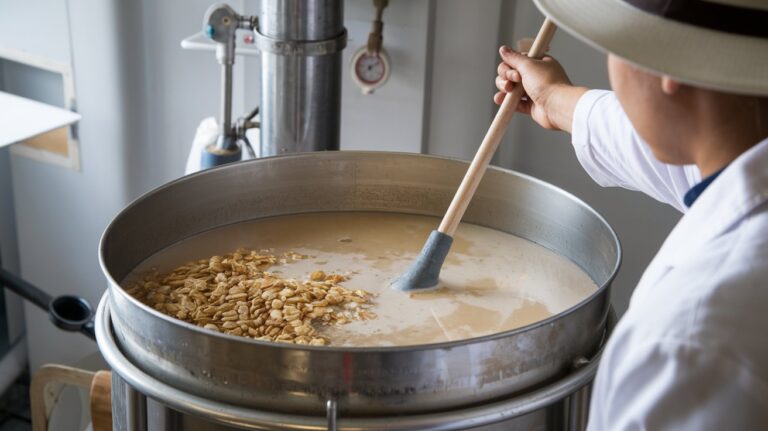
Understanding the lager brewing process reveals why these beers achieve their characteristic smoothness and popularity. The process begins with quality malted barley, often supplemented with rice or corn adjuncts in American styles. Temperature control during fermentation and extended aging periods are crucial factors that distinguish quality lagers from other beer styles.
Modern lager production involves precise monitoring of fermentation temperatures, typically maintained between 45-55°F for 2-3 weeks. Following primary fermentation, the beer undergoes lagering at near-freezing temperatures for several weeks to months. This cold conditioning process allows harsh flavors to mellow while developing the clean, crisp character that makes lager beer so universally appealing to American consumers.
Regional Lager Preferences Across America
Geographic preferences for lager varieties vary significantly across American regions, influenced by local brewing heritage and cultural preferences. The Midwest strongly favors traditional American lager brands like Budweiser and Miller, while coastal areas show increasing preference for craft and imported lagers. These regional differences reflect local brewing history and evolving consumer sophistication.
East Coast Lager Culture
The East Coast beer market shows strong preference for both traditional American lagers and European imports. Cities like Boston, New York, and Philadelphia have embraced craft lager brewing, with local breweries producing German-inspired styles alongside innovative American interpretations. This region accounts for approximately 30% of total US lager consumption, with premium and craft varieties showing the strongest growth rates.
West Coast Innovation
California and Pacific Northwest breweries have pioneered innovative lager styles that incorporate local ingredients and brewing techniques. These regions produce experimental lagers featuring unique hop varieties and non-traditional ingredients while maintaining the fundamental characteristics of popular lager styles. West Coast craft lagers often command premium prices and have influenced brewing trends nationwide.
Health and Nutritional Aspects of Lager Beer
Modern consumers increasingly consider the nutritional profile of their lager choices, driving demand for lighter varieties and organic options. Traditional American lagers typically contain 140-150 calories per 12-ounce serving, while light versions reduce this to 90-110 calories. The clear fermentation process of lagers generally results in fewer congeners than ales, potentially reducing hangover effects.
The lager brewing process naturally filters many impurities, creating a cleaner final product. Premium lager brands increasingly offer organic, gluten-free, and low-carb options to meet diverse dietary requirements. Industry data from 2024 shows that health-conscious lager varieties represent the fastest-growing segment within the broader beer category, particularly among millennials and Gen Z consumers.
Future Trends in American Lager Market
The lager market continues evolving with emerging trends including sustainable brewing practices, innovative flavor profiles, and premium positioning strategies. Industry analysts predict that craft lager production will increase by 40% through 2027, while traditional mass-market brands adapt through product diversification and quality improvements to maintain market share in an increasingly competitive landscape.
Technological advances in brewing equipment allow smaller producers to achieve the precise temperature control necessary for excellent lager beer production. This democratization of lager brewing technology enables more breweries to enter the market with high-quality products, ultimately benefiting consumers through increased variety and competitive pricing across all segments of the popular lager category.
Related video about popular lager
This video complements the article information with a practical visual demonstration.
Important things to know about popular lager
What makes lager different from other beer styles?
Lager differs from ales through its bottom fermentation process using specific yeast strains at cooler temperatures (45-55°F). This creates a cleaner, crisper taste with fewer fruity flavors. The extended cold conditioning period, called lagering, further smooths the beer and reduces harsh flavors, resulting in the refreshing character that makes lager the most popular beer style in America.
Which American lager brands are most popular in 2024?
The most popular American lager brands in 2024 include Budweiser, Miller Lite, Coors Light, Bud Light, and Miller High Life. These brands control approximately 65% of the US beer market. Additionally, craft breweries like Sam Adams, Yuengling, and regional producers are gaining market share with premium lager offerings that emphasize traditional brewing methods.
How long does it take to brew a quality lager beer?
Quality lager production typically requires 6-12 weeks total, including 2-3 weeks of primary fermentation at cool temperatures followed by 4-8 weeks of cold lagering. This extended process allows harsh flavors to mellow and creates the smooth, clean taste characteristic of premium lagers. Craft breweries often extend lagering periods even longer for enhanced flavor development.
Are craft lagers worth the higher price compared to mass-market brands?
Craft lagers often justify their premium pricing through superior ingredients, traditional brewing methods, and extended aging periods. While mass-market lagers prioritize consistency and affordability, craft versions typically offer more complex flavors, higher-quality ingredients, and authentic brewing techniques. For beer enthusiasts seeking enhanced flavor experiences, the additional cost often provides significant value.
What food pairs best with popular lager beers?
Popular lagers pair excellently with a wide variety of foods due to their clean, crisp character. Light American lagers complement seafood, salads, and spicy cuisines, while fuller-bodied craft lagers work well with grilled meats, barbecue, and hearty dishes. The beer’s carbonation and moderate hop bitterness cleanse the palate between bites, making lager an ideal dining companion.
How should lager beer be stored and served for best quality?
Lager beer should be stored upright in cool, dark conditions between 35-50°F to maintain optimal quality. Avoid temperature fluctuations and direct sunlight which can create off-flavors. Serve lagers chilled between 38-45°F in clean glassware to showcase their crisp character and enhance carbonation. Proper storage and serving temperature significantly impact the beer’s flavor and overall drinking experience.
| Lager Category | Key Characteristics | Market Advantage |
|---|---|---|
| American Light Lagers | Low calories, crisp taste, mass availability | Broad consumer appeal and affordability |
| Craft Premium Lagers | Traditional methods, complex flavors, quality ingredients | Premium positioning and flavor differentiation |
| German-Style Lagers | Authentic techniques, extended aging, imported hops | Authenticity and traditional brewing heritage |
| American Pilsners | Hop-forward profile, American ingredients, craft quality | Appeals to craft beer enthusiasts seeking lighter options |