Irish Red Ale: Complete Guide to Ireland’s Iconic Beer Style
Irish Red Ale represents one of Ireland’s most beloved and distinctive beer styles, characterized by its beautiful amber-red color and smooth, malty flavor profile. This traditional ale combines caramel sweetness with subtle hop balance, creating a sessionable beer that has captured the hearts of drinkers worldwide. Whether you’re exploring craft beer or seeking to understand Ireland’s brewing heritage, Irish Red Ale offers an approachable yet complex drinking experience that perfectly embodies the spirit of Irish hospitality.
History and Origins of Irish Red Ale
The history of Irish Red Ale stretches back centuries, deeply rooted in Ireland’s agricultural traditions and brewing heritage. This beer style emerged from the necessity to use locally available ingredients, particularly Irish barley and the mineral-rich water found throughout the Emerald Isle. The distinctive red color comes from specialty malts that were developed to make the most of Ireland’s climate and growing conditions.
During the 18th and 19th centuries, Irish Red Ale became the working person’s drink of choice, offering sustenance and comfort after long days of physical labor. The beer’s moderate alcohol content and nutritious qualities made it an essential part of daily life. Unlike the stronger porters and stouts that would later define Irish brewing, red ales provided a lighter, more approachable option that could be enjoyed throughout the day without overwhelming the drinker.
Characteristics and Flavor Profile
The defining characteristics of Irish Red Ale create a beer that is both approachable and sophisticated. The color ranges from deep amber to copper-red, derived primarily from caramel and crystal malts that undergo specific roasting processes. This visual appeal is matched by a complex flavor profile that balances sweetness, bitterness, and subtle fruitiness in perfect harmony.
On the palate, Irish Red Ale presents a smooth, medium-bodied texture with prominent caramel and toffee notes from the specialty malts. The hop character remains subdued but present, providing just enough bitterness to prevent the beer from becoming cloying. Most examples feature alcohol content between 4.0% and 6.0% ABV, making them highly sessionable. The finish is typically clean and refreshing, with lingering malt sweetness and a subtle drying effect from the hops.
Aroma Profile
The aroma of Irish Red Ale immediately signals its malt-forward character, presenting rich caramel and biscuit notes that invite the first sip. Subtle hints of toasted bread and toffee create depth, while mild hop aromatics provide balance without overwhelming the malt foundation. Some examples may exhibit light fruity esters from the yeast, contributing apple or pear-like notes that enhance the overall complexity.
Visual Appearance
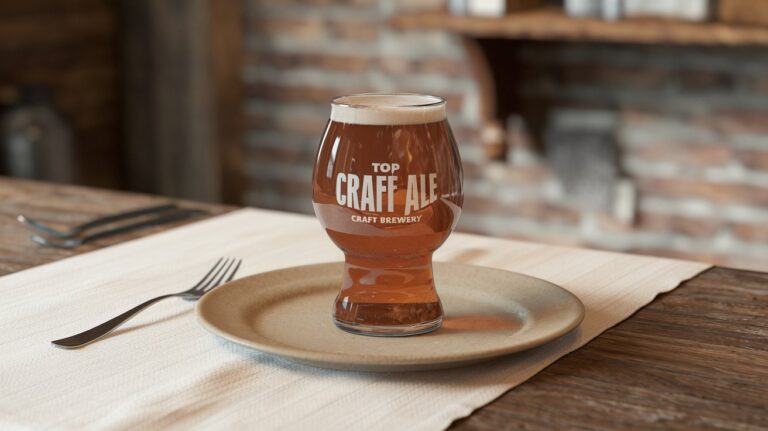
A properly poured Irish Red Ale displays a stunning copper to deep red color that captures light beautifully in the glass. The beer typically features excellent clarity, though some craft versions may have slight haze. The head is usually off-white to light tan, dense enough to provide good lacing down the glass sides, and persistent enough to protect the beer’s aromatics throughout the drinking experience.
Brewing Process and Ingredients
Creating authentic Irish Red Ale requires careful attention to ingredient selection and brewing techniques that honor the style’s traditional roots. The foundation begins with a base of pale malt, typically Irish or English varieties that provide the fermentable sugars and light malt character. The signature color and flavor come from specialty malts, particularly caramel malts ranging from 40L to 120L, which contribute both color and the characteristic caramel sweetness.
The brewing process for Irish Red Ale follows traditional ale methods, with mashing temperatures typically maintained between 148°F and 156°F to achieve the desired balance of fermentable and non-fermentable sugars. This temperature range promotes body and mouthfeel while maintaining enough fermentability to prevent excessive sweetness. Fermentation occurs with ale yeast strains that work cleanly at temperatures between 62°F and 72°F, producing minimal esters while allowing the malt character to shine.
Essential Ingredients
Irish Red Ale relies on carefully selected ingredients that work together to create the style’s distinctive character. The grain bill typically consists of 70-80% pale malt, 10-20% caramel or crystal malt for color and sweetness, and small amounts of specialty malts like Munich or Victory for additional complexity. Hops are usually English varieties like East Kent Goldings or Fuggle, chosen for their subtle, earthy character that complements rather than competes with the malt.
Water Chemistry
Traditional Irish Red Ale benefits from the soft to moderately hard water found in many Irish brewing regions. The mineral content should be balanced, with enough calcium and sulfate to support hop character while avoiding excessive hardness that might create harsh flavors. Modern brewers often adjust their water chemistry to replicate these conditions, ensuring the finished beer maintains authenticity to the original Irish examples.
Popular Irish Red Ale Brands in the US
The American craft beer market has embraced Irish Red Ale with enthusiasm, leading to both imported authentic Irish examples and excellent domestic interpretations. Killian’s Irish Red, while actually brewed in the United States under license, remains one of the most recognizable brands in this category. This beer offers an approachable introduction to the style, though craft beer enthusiasts often seek more complex examples.
Craft breweries across the United States have created outstanding Irish Red Ale interpretations that honor the traditional style while adding their own creative touches. Samuel Adams Irish Red provides a widely available craft option with more depth than mass-market alternatives. Regional breweries like Bell’s Amber Ale and Founders Red’s Rye PA offer unique takes on the style, demonstrating how American brewers have adapted Irish traditions to local tastes and ingredients.
Serving and Pairing Recommendations
Proper service enhances the Irish Red Ale experience, allowing drinkers to fully appreciate the beer’s complex malt character and beautiful color. The ideal serving temperature ranges from 45°F to 50°F, cool enough to provide refreshment while warm enough to allow the malt aromatics to develop fully. Traditional pint glasses or tulip glasses work best, providing adequate surface area for aroma development while showcasing the beer’s attractive appearance.
Food pairing with Irish Red Ale offers numerous delicious possibilities, thanks to the beer’s balanced flavor profile and moderate alcohol content. The caramel sweetness complements roasted meats beautifully, making it an excellent choice with beef stew, grilled lamb, or barbecued pork. The beer’s clean finish also works well with aged cheeses, particularly cheddar or gouda, where the malt sweetness balances the cheese’s sharpness.
Traditional Irish Food Pairings
Classic Irish dishes showcase Irish Red Ale at its finest, creating harmonious combinations that celebrate Ireland’s culinary heritage. Shepherd’s pie, with its rich meat filling and creamy potato topping, pairs beautifully with the beer’s malt sweetness and moderate body. Irish soda bread and the beer complement each other perfectly, with the bread’s slight sourness balancing the ale’s caramel notes.
Modern Cuisine Combinations
Contemporary American cuisine offers exciting new pairing opportunities for Irish Red Ale, expanding beyond traditional Irish fare. The beer works exceptionally well with barbecue dishes, where the malt sweetness complements smoky flavors and balances spicy sauces. Pizza with caramelized onions and mushrooms creates another excellent match, with the beer’s caramel notes enhancing the vegetables’ natural sweetness.
Homebrewing Irish Red Ale
Homebrewing Irish Red Ale offers an excellent introduction to all-grain brewing while providing the satisfaction of creating an authentic traditional beer style. The relatively simple grain bill and forgiving nature of the style make it perfect for intermediate brewers looking to expand their skills. Success depends on careful attention to malt selection and maintaining proper fermentation temperatures throughout the process.
A typical homebrew Irish Red Ale recipe begins with 8-10 pounds of pale malt as the base, supplemented with 1-2 pounds of caramel malt (60L) for color and sweetness. Small additions of Munich malt or Victory malt can add complexity without overwhelming the beer’s character. Hop additions should remain modest, typically 20-30 IBUs total, using traditional English varieties added primarily for bittering with minimal late additions.
Recipe Guidelines
A successful Irish Red Ale homebrew recipe focuses on simplicity and balance rather than complexity. Target an original gravity between 1.040 and 1.055, which will produce alcohol content in the traditional range. Mash at 152°F for 60 minutes to achieve good fermentability while maintaining body. Ferment with a clean ale yeast strain like Wyeast 1084 or Safale S-04 at temperatures between 64°F and 68°F for best results.
Common Brewing Mistakes
New brewers often struggle with Irish Red Ale balance, either creating overly sweet beers or versions lacking in malt character. Avoid using too much caramel malt, which can create cloying sweetness and poor fermentation. Similarly, over-hopping destroys the beer’s essential malt-forward character. Temperature control during fermentation is crucial, as warm fermentation temperatures can produce unwanted esters that compete with the clean malt profile.
Health Considerations and Nutritional Information
Like all alcoholic beverages, Irish Red Ale should be consumed in moderation, but it does offer some nutritional benefits compared to other beer styles. The moderate alcohol content, typically 4-6% ABV, makes it a more sessionable option than stronger beer styles. A standard 12-ounce serving contains approximately 150-180 calories, primarily from carbohydrates and alcohol, with minimal protein and no fat.
The brewing process preserves some of the nutritional value from the malted grains, including B vitamins, particularly folate and niacin. Irish Red Ale also contains silicon from the barley, which may support bone health when consumed as part of a balanced diet. However, these potential benefits must be weighed against the risks associated with alcohol consumption, and individuals should always drink responsibly and in accordance with health guidelines.
Irish Red Ale in American Craft Beer Culture
The adoption of Irish Red Ale by American craft brewers represents a perfect example of how traditional European styles have influenced and enriched American beer culture. Since the 1990s, countless American breweries have created their interpretations of this classic style, often using locally sourced ingredients while maintaining respect for the traditional Irish approach to brewing.
Modern American versions of Irish Red Ale demonstrate remarkable creativity within the style guidelines, with some brewers incorporating American hop varieties for unique flavor profiles while others experiment with different yeast strains to create subtle variations. This evolution has helped introduce countless American drinkers to the pleasures of malt-forward beers, serving as a gateway from mass-market lagers to more complex craft beer styles. The style’s success in America has also contributed to the broader appreciation of Irish brewing traditions and culture.
Related video about irish red ale
This video complements the article information with a practical visual demonstration.
Most asked questions about irish red ale
What makes Irish Red Ale different from other red beers?
Irish Red Ale distinguishes itself through its specific malt bill featuring caramel and crystal malts that create the signature copper-red color and smooth, sweet flavor profile. Unlike American Red Ales which often emphasize hop character, Irish versions prioritize malt balance with subtle hop presence. The alcohol content typically ranges from 4-6% ABV, making it more sessionable than many other red beer styles.
Can I age Irish Red Ale like wine or stronger beers?
Irish Red Ale is best consumed fresh, typically within 6-12 months of brewing or purchase. The moderate alcohol content and malt-forward character don’t benefit from extended aging like stronger styles. The delicate hop balance and fresh malt flavors actually deteriorate over time, so enjoying these beers young ensures you experience them as the brewer intended.
What temperature should Irish Red Ale be served at?
The optimal serving temperature for Irish Red Ale is between 45-50°F (7-10°C). This temperature range allows the malt aromatics to develop fully while maintaining refreshment. Serving too cold masks the complex caramel and toffee flavors, while too warm temperatures can make the beer taste flat and overly sweet.
Is Irish Red Ale suitable for people new to craft beer?
Irish Red Ale serves as an excellent introduction to craft beer for newcomers. The balanced, approachable flavor profile lacks the intense hop bitterness that can intimidate new craft beer drinkers, while the moderate alcohol content makes it highly sessionable. The malt-forward character provides enough complexity to interest developing palates without overwhelming them.
What’s the difference between Irish Red Ale and Irish Stout?
While both are Irish beer styles, Irish Red Ale and Irish Stout differ significantly in color, flavor, and strength. Red ales feature copper-red color and malt-forward sweetness, while stouts are dark black with roasted malt bitterness. Irish Red Ales typically have lower alcohol content (4-6% ABV) compared to many stouts, and offer a lighter, more sessionable drinking experience with entirely different flavor profiles.
Can I find authentic Irish Red Ale brands in the United States?
Yes, several authentic Irish Red Ale brands are available in the US market, including imported options from Ireland and American-brewed versions under license. Additionally, many American craft breweries produce excellent interpretations of the style that honor traditional Irish brewing methods while incorporating local ingredients and techniques.
| Key Aspect | Important Details | Benefit |
|---|---|---|
| Color Profile | Copper to deep red from caramel malts | Visual appeal and malt complexity |
| Alcohol Content | 4.0-6.0% ABV moderate strength | Highly sessionable and approachable |
| Flavor Balance | Malt-forward with subtle hop character | Perfect introduction to craft beer |
| Serving Temperature | 45-50°F for optimal flavor development | Enhanced aroma and taste experience |
| Food Pairing | Excellent with roasted meats and aged cheeses | Versatile dining companion |