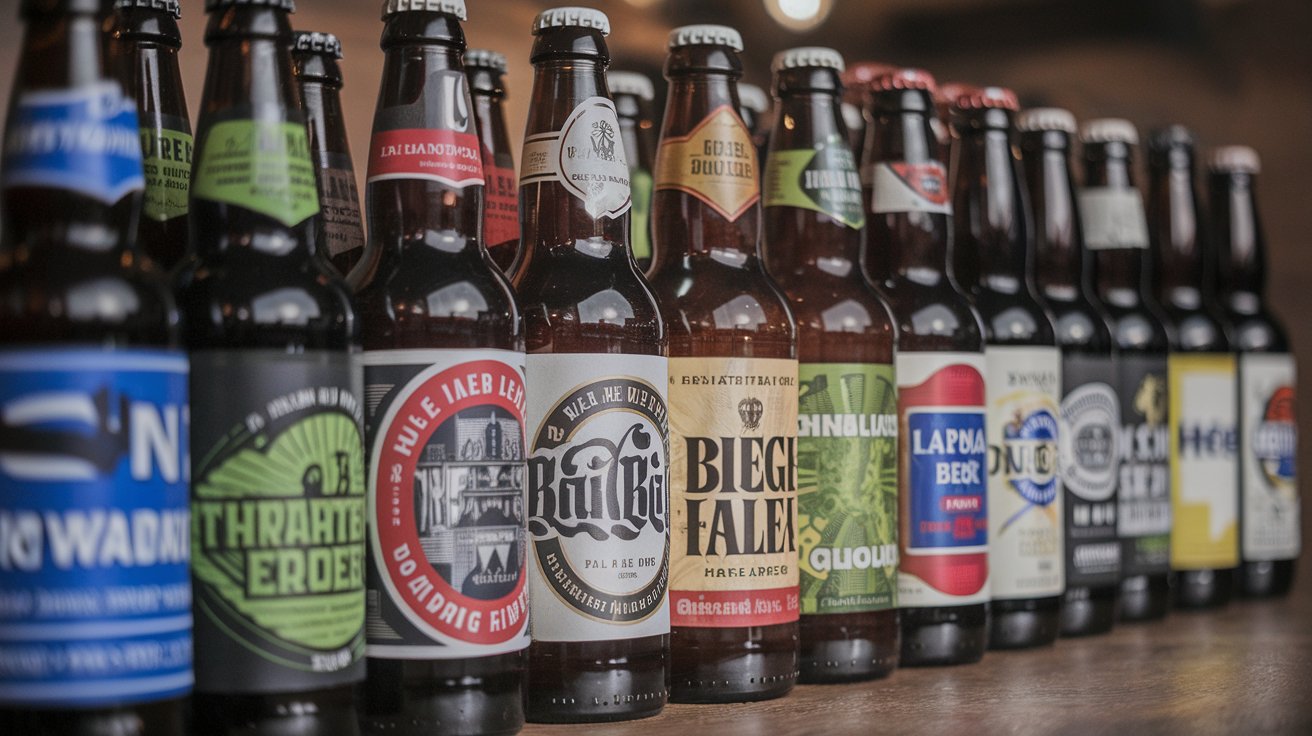
Best Pale Ale Beer Brands in the US: Top Breweries 2025
The pale ale beer landscape in the United States has exploded with exceptional options in 2025, featuring everything from traditional English-style pale ales to hop-forward American interpretations. With over 9,000 craft breweries operating nationwide and major brands continuously innovating, beer enthusiasts have access to an unprecedented variety of pale ale brands that showcase distinctive hop profiles, malt complexity, and regional brewing traditions.
Top Craft Pale Ale Breweries in America
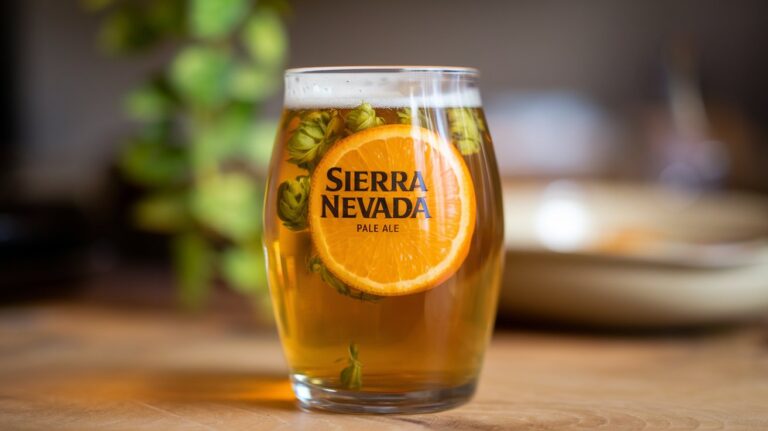
Sierra Nevada Brewing Company continues to lead the craft pale ale movement with their iconic Sierra Nevada Pale Ale, which has maintained consistent quality since 1980. This California-based brewery produces over 1.2 million barrels annually, making it one of the most distributed craft pale ale brands in America. Their Cascade hop-driven recipe features citrusy and floral notes with a balanced malt backbone that appeals to both newcomers and seasoned beer drinkers.
Dogfish Head Brewery from Delaware has revolutionized pale ale brewing with their 60 Minute IPA, which undergoes continuous hopping for exactly 60 minutes. This innovative approach creates a complex hop profile without excessive bitterness, resulting in a pale ale beer that has won numerous awards and maintains a 4.1 rating on major beer review platforms. Their annual production exceeds 300,000 barrels, with distribution across 42 states.
West Coast Pale Ale Pioneers
Russian River Brewing Company in California has earned legendary status with their Pliny the Elder, consistently ranked among the world’s best IPAs since 2000. Their commitment to fresh hop character and balanced malt profiles has influenced countless breweries across the nation. Stone Brewing from San Diego continues to push boundaries with their aggressive hop-forward pale ales, including the Stone IPA which features bold citrus and pine flavors that define the West Coast style.
East Coast Brewing Innovation
Founders Brewing Company from Michigan produces All Day IPA, a session pale ale that delivers full hop flavor at only 4.7% ABV, making it one of the most successful pale ale beer brands in the lower-alcohol category. Lawson’s Finest Liquids from Vermont has gained cult status with their Sip of Sunshine IPA, featuring tropical fruit flavors from Citra and Simcoe hops that exemplify the New England IPA style evolution.
Major Brand Pale Ale Offerings
Samuel Adams from Boston Beer Company has expanded their pale ale portfolio significantly in 2025, with their Boston Lager serving as a gateway beer that introduces mainstream consumers to craft-style flavors. Their New England IPA series has captured 3.2% of the national IPA market, demonstrating how traditional breweries can successfully adapt to craft trends. The company’s annual revenue exceeds $500 million, with pale ale varieties contributing approximately 25% of total sales.
Blue Moon Brewing Company, owned by Molson Coors, has launched their LightSky Citrus Wheat as a pale ale hybrid that appeals to both wheat beer and pale ale beer enthusiasts. This strategic positioning has helped them capture younger demographics, with sales increasing 15% year-over-year among consumers aged 21-35. Their distribution network covers all 50 states, making it one of the most accessible craft-style pale ales in America.
Regional Pale Ale Specialties by State
Great Lakes Brewing Company from Ohio produces Dortmunder Gold, a German-style pale ale that showcases Midwest brewing traditions while incorporating American hop varieties. This pale ale brand has maintained consistent quality for over three decades and serves as the flagship beer for one of the Great Lakes region’s most respected breweries. Their sustainable brewing practices and local ingredient sourcing have earned them LEED Gold certification.
Alaskan Brewing Company creates unique pale ales using Alaskan-grown hops and barley, resulting in distinctive flavor profiles that reflect their northern terroir. Their Alaskan Pale Ale features Chinook and Cascade hops grown in the Matanuska Valley, creating citrus and pine notes with a clean, crisp finish that pairs exceptionally well with seafood cuisine prevalent in the Pacific Northwest.
Southern Pale Ale Traditions
Sweetwater Brewing Company from Atlanta, Georgia, produces their 420 Extra Pale Ale with a focus on drinkability and hop balance that appeals to the Southern palate. This pale ale beer uses a combination of Cascade, Centennial, and Chinook hops to create tropical fruit flavors without overwhelming bitterness. Their distribution spans 27 states across the Southeast and Mid-Atlantic regions.
Mountain West Brewing Excellence
New Belgium Brewing from Colorado has established their Fat Tire Amber Ale as a gateway beer that bridges the gap between traditional lagers and hop-forward pale ales. With annual sales exceeding 900,000 barrels, this pale ale brand demonstrates how balanced, approachable recipes can achieve massive commercial success while maintaining craft brewing integrity.
Pale Ale Style Categories and Characteristics
American Pale Ale represents the most popular style category, characterized by prominent hop aroma and flavor balanced with sufficient malt backbone. These beers typically range from 4.5-6.2% ABV with 30-50 IBUs, featuring American hop varieties like Cascade, Centennial, and Amarillo that provide citrus, pine, and floral notes. The style accounts for approximately 35% of all pale ale beer sales in the United States, making it the dominant subcategory.
English-style Pale Ales maintain traditional brewing methods using English hop varieties such as East Kent Goldings and Fuggle, creating earthy, herbal, and mildly floral characteristics. These pale ale brands typically feature lower hop intensity compared to American versions, with emphasis on malt complexity and drinkability. Notable examples include Samuel Smith’s Pale Ale and Fuller’s London Pride, both imported from England but widely available in American markets.
India Pale Ale Evolution
West Coast IPA style emphasizes bold hop character with high bitterness levels ranging from 50-70 IBUs, showcasing piney, resinous, and citrusy flavors from varieties like Simcoe, Columbus, and Chinook. These pale ale beers typically feature crystal-clear appearance with golden to amber coloration and dry finish that accentuates hop intensity. Leading examples include Stone IPA, Lagunitas IPA, and Bear Republic Racer 5.
New England IPA Characteristics
Hazy IPA or New England IPA represents the fastest-growing pale ale subcategory, featuring unfiltered appearance, lower bitterness, and intense tropical fruit flavors from hops like Citra, Mosaic, and Galaxy. These pale ale brands emphasize hop aroma over bitterness, creating juicy, fruit-forward profiles that appeal to consumers seeking approachable hop flavor without harsh bite.
Where to Find the Best Pale Ale Brands
Specialty beer retailers like Total Wine & More, BevMo!, and local craft beer shops offer the widest selection of pale ale beer brands, often featuring limited releases and seasonal varieties not available in grocery stores. These retailers typically stock 200-400 different pale ale options, including rare brewery exclusives and limited-edition collaborations that serious enthusiasts seek out.
Brewery taprooms and brewpubs provide the freshest possible pale ale experience, with many establishments offering exclusive taproom-only releases and cask-conditioned versions of popular brands. Over 7,500 brewery taprooms operate across the United States in 2025, with most featuring 8-12 pale ale varieties on tap at any given time. Visiting brewery taprooms also allows consumers to meet brewers, learn about brewing processes, and purchase fresh growlers or crowlers for home consumption.
Pale Ale Pricing and Value Analysis
Premium craft pale ales typically retail between $12-18 per six-pack, with specialty releases and limited editions commanding $20-30 for four-packs. Value-oriented options from established pale ale beer brands like Sierra Nevada, New Belgium, and Founders offer excellent quality at $9-12 per six-pack, making them accessible entry points for newcomers to the style. Single cans of highly sought-after releases can reach $6-8 at specialty retailers.
Seasonal price fluctuations affect pale ale availability and cost, with hop harvest timing influencing fresh hop ales released in late summer and fall. These limited releases often cost 30-50% more than year-round offerings but provide unique flavor experiences that justify premium pricing for serious craft beer enthusiasts seeking the latest pale ale brands and innovations.
Related video about pale ale beer brands
This video complements the article information with a practical visual demonstration.
Questions & Answers
What makes a pale ale different from other beer styles?
Pale ales are distinguished by their prominent hop character balanced with sufficient malt backbone, typically ranging from 4.5-7% ABV with 25-60 IBUs. Unlike lagers or wheat beers, pale ales showcase hop aroma and flavor as the primary characteristic, using varieties that provide citrus, pine, floral, or tropical fruit notes. The ‘pale’ designation refers to the lighter color compared to darker ales like porters or stouts.
Which pale ale brands are best for beginners?
Sierra Nevada Pale Ale, New Belgium Fat Tire, and Samuel Adams Boston Lager serve as excellent gateway beers for pale ale newcomers. These brands offer balanced hop character without overwhelming bitterness, making them approachable while still providing authentic pale ale flavor profiles. They’re widely available and consistently rated highly by both beginners and experienced beer drinkers.
How should pale ales be stored and served?
Pale ales should be stored upright in a cool, dark place between 35-45°F and consumed within 3-4 months of packaging for optimal hop flavor. Serve in clean glassware at 38-42°F in tulip glasses or pint glasses that concentrate aroma. Avoid storing in direct sunlight or warm temperatures, which can degrade hop character and create off-flavors.
What’s the difference between American and English pale ales?
American pale ales emphasize bold hop character using varieties like Cascade, Centennial, and Citra that provide citrus and pine flavors, while English pale ales feature more subtle, earthy hop character from traditional varieties like East Kent Goldings. American versions typically have higher alcohol content (5-6.2% ABV) and more pronounced hop bitterness compared to their English counterparts (3.8-5.4% ABV).
Are pale ales high in alcohol content?
Most pale ales range from 4.5-6.2% ABV, making them moderate in alcohol content compared to other beer styles. Session pale ales intentionally maintain lower alcohol (3.5-4.7% ABV) for increased drinkability, while Imperial or Double IPAs can reach 7-10% ABV. Standard American pale ales typically contain 5-5.5% alcohol, similar to most domestic lagers.
Which pale ale brands offer the best value for money?
Sierra Nevada Pale Ale, Founders All Day IPA, and Great Lakes Dortmunder Gold provide exceptional quality at $9-12 per six-pack, making them outstanding value choices. These established brands maintain consistent quality, wide distribution, and reasonable pricing while delivering authentic pale ale character. Costco’s Kirkland Signature craft beer selection also offers excellent value for bulk purchases.
| Brewery Category | Top Brand Examples | Key Benefits |
|---|---|---|
| Craft Pioneers | Sierra Nevada, Dogfish Head | Consistent quality, wide availability, proven recipes |
| Regional Specialists | Russian River, Founders | Unique local character, innovative brewing techniques |
| Major Brands | Samuel Adams, Blue Moon | Nationwide distribution, competitive pricing, gateway options |
| Value Leaders | New Belgium, Great Lakes | Excellent quality-to-price ratio, sustainable practices |