Amber Ale: Complete Guide to Styles, Brewing & Best Picks
Amber ale represents one of America’s most beloved beer styles, characterized by its rich amber color and balanced malt-forward profile. This versatile beer style bridges the gap between lighter lagers and heavier stouts, offering beer enthusiasts a perfect introduction to craft brewing’s complexity. With over 9,000 breweries across the United States producing various amber ale interpretations, understanding this style’s nuances helps both novice and experienced drinkers appreciate its unique characteristics and food pairing potential.
What Is Amber Ale: Definition and Characteristics
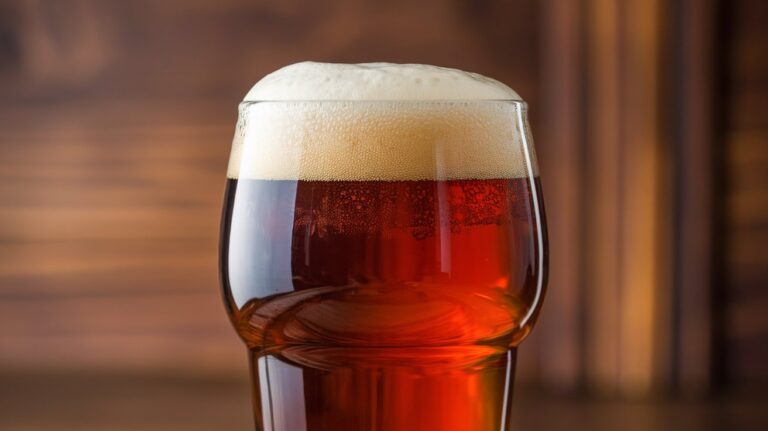
Amber ale is a medium-bodied beer that derives its distinctive color from caramel and crystal malts, typically ranging from 10-17 SRM (Standard Reference Method) on the color scale. The alcohol by volume usually falls between 4.5% to 6.2%, making it accessible for casual drinking while maintaining enough complexity to satisfy craft beer enthusiasts. The style originated in England but found its true home in American craft breweries during the 1980s craft beer revolution.
The defining characteristic of amber ale lies in its malt-forward flavor profile that balances sweetness with moderate hop presence. Unlike pale ales that emphasize hop character, amber ales showcase the rich, toasty, and sometimes caramel notes from specialty malts. The beer typically exhibits a smooth, clean finish with subtle hop bitterness that complements rather than overwhelms the malt backbone, creating a harmonious drinking experience that appeals to a wide range of palates.
Amber Ale vs Other Beer Styles
Understanding how amber ale compares to other popular beer styles helps drinkers appreciate its unique position in the craft beer landscape. Compared to India Pale Ales (IPAs), amber ales feature significantly less hop character and bitterness, typically ranging from 25-40 IBUs versus IPAs’ 40-70+ IBUs. The malt presence in amber ales provides a sweeter, more balanced flavor profile that contrasts sharply with the hop-forward intensity of modern American IPAs.
When compared to brown ales, amber ales are generally lighter in color and body, with less roasted malt character and chocolate notes. While both styles emphasize malt over hops, brown ales tend toward nuttier, more complex malt flavors, whereas amber ales maintain a cleaner, more straightforward caramel sweetness. Pale ales represent amber ale’s closest relative, but amber ales feature deeper color and more pronounced malt character, making them ideal for drinkers seeking complexity without overwhelming hop bitterness.
American Amber Ale Brewing Process
The brewing process for American amber ale begins with a carefully selected grain bill that typically consists of 70-80% base malt, usually American two-row or Pilsner malt, combined with 15-25% specialty malts. Crystal malts ranging from 40L to 120L provide the signature amber color and caramel sweetness, while Munich malt adds depth and complexity. Some brewers incorporate small amounts of chocolate malt or roasted barley to enhance color and add subtle roasted notes without overwhelming the beer’s clean character.
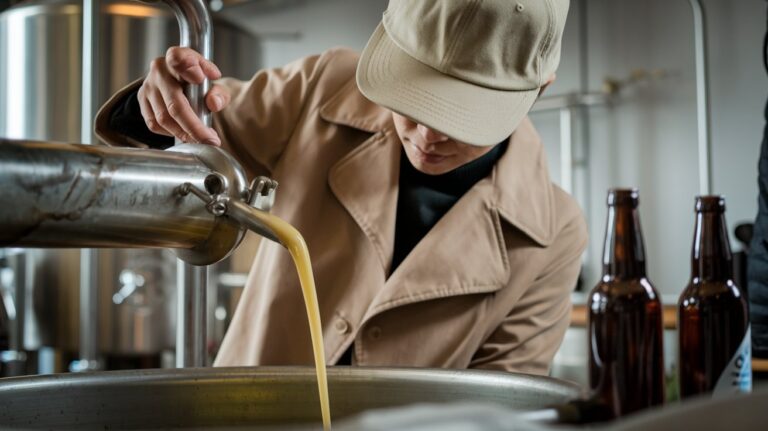
The brewing process emphasizes malt extraction and flavor development through precise temperature control during mashing. Most amber ales undergo a single-infusion mash at 148-154°F for 60-90 minutes, allowing enzymes to convert starches into fermentable sugars while preserving some residual sweetness. American hop varieties like Cascade, Centennial, or Willamette provide moderate bitterness and subtle citrus or floral notes, typically added during the final 15-30 minutes of the boil to minimize harsh hop character while maintaining balance.
Malt Selection and Color Development
Achieving the perfect amber color requires precise malt selection and proportioning. Crystal 60L malt forms the backbone of most amber ale recipes, contributing both color and the characteristic caramel sweetness that defines the style. Brewers often combine multiple crystal malts at different Lovibond ratings to create complexity, using Crystal 40L for lighter caramel notes and Crystal 120L for deeper, richer flavors. The total specialty malt percentage rarely exceeds 25% to maintain fermentability and prevent excessive sweetness.
Fermentation and Conditioning
American amber ales typically ferment with clean American ale yeast strains such as Safale US-05 or Wyeast 1056, which produce minimal esters and allow malt character to shine. Fermentation temperatures between 62-68°F optimize yeast performance while preventing unwanted flavor compounds. The conditioning period of 2-4 weeks allows flavors to mature and integrate, resulting in the smooth, balanced character that makes amber ales so approachable for both new and experienced beer drinkers.
Top American Amber Ale Brands in 2024
Bell’s Amber Ale from Michigan’s Bell’s Brewery remains one of America’s most recognized amber ales, featuring a perfect balance of caramel malt sweetness and subtle hop character. With 5.8% ABV, this beer showcases the classic American amber ale profile with toasty malt flavors and a clean finish. Bell’s consistent quality and wide distribution make it an excellent introduction to the style for newcomers while satisfying experienced craft beer drinkers.
Samuel Adams Boston Ale represents the mainstream craft amber ale that helped establish the style’s popularity in the 1980s. At 5.4% ABV, this beer features a rich amber color and balanced malt profile with notes of caramel and toffee. New Belgium Fat Tire has become synonymous with amber ale for many Americans, offering a smooth, approachable beer with moderate sweetness and subtle hop presence that exemplifies the style’s accessibility and food-friendly nature.
Flavor Profile and Tasting Notes
The flavor profile of amber ale centers around malt-derived sweetness balanced by moderate hop bitterness, creating a harmonious drinking experience. Initial impressions typically reveal caramel and toffee notes from crystal malts, followed by subtle bread and biscuit flavors from base malts. The mouthfeel ranges from medium-light to medium body, with moderate carbonation that enhances the beer’s refreshing quality while supporting the malt flavors without creating excessive foam or harsh carbonic bite.
Advanced tasters often detect subtle complexity in well-crafted amber ales, including hints of vanilla, honey, or light roasted notes depending on the specific malt bill. The hop character typically manifests as floral or citrus notes rather than aggressive bitterness, providing balance without overwhelming the malt backbone. The finish should be clean and moderately dry, avoiding cloying sweetness while maintaining enough residual sugar to support the beer’s malt-forward character and encourage continued consumption.
Aroma Characteristics
Amber ale exhibits a malt-forward aroma dominated by caramel and toasty notes, with moderate hop presence providing floral or citrus accents. The beer should display clean fermentation character without significant ester or phenolic contributions from yeast. Fresh amber ales may show subtle breadlike aromas from base malts, while aged examples can develop slight oxidation notes that, when controlled, add complexity rather than off-flavors to the overall aromatic profile.
Temperature and Serving Recommendations
Optimal serving temperature for amber ale ranges from 45-50°F, allowing the malt complexity to develop while maintaining refreshing qualities. Serving in a tulip glass or English pint glass enhances aroma concentration and showcases the beer’s attractive amber color. Proper temperature control prevents the beer from becoming too warm, which can emphasize alcohol presence and reduce drinkability, or too cold, which masks the subtle malt nuances that define the style.
Food Pairing with Amber Ale
Amber ale’s balanced profile makes it exceptionally food-friendly, complementing a wide range of American cuisine. The beer’s moderate sweetness and clean finish pair excellently with barbecued meats, particularly pork ribs and smoked brisket, where the malt character complements smoky flavors without competing with complex spice rubs. Grilled burgers and amber ale create a classic American pairing, with the beer’s medium body and carbonation cleansing the palate between bites.
For cheese pairings, amber ale complements medium-aged cheddars and gouda varieties, where the beer’s caramel notes echo the cheese’s nutty characteristics. Roasted chicken and turkey dishes pair naturally with amber ale’s malt-forward profile, while the beer’s moderate hop presence cuts through rich gravies and sauces. Dessert pairings work particularly well with apple-based desserts, caramel fudge, and pecan pie, where the beer’s sweetness provides harmony rather than contrast.
Homebrewing Amber Ale: Recipe and Tips
Homebrewing amber ale requires careful attention to grain selection and mashing procedures to achieve the style’s characteristic balance. A typical 5-gallon batch uses 8-9 pounds of American two-row malt as the base, combined with 1-2 pounds of Crystal 60L malt and smaller amounts of Munich or Vienna malt for complexity. The grain bill should target an original gravity of 1.045-1.055, producing a finished beer with 4.5-5.8% ABV that matches commercial examples.
Hop selection focuses on American varieties that provide clean bitterness and subtle flavor without overwhelming the malt character. Cascade hops work excellently for both bittering and late additions, while Centennial or Willamette can provide variation in flavor profiles. Total hop usage typically ranges from 1.5-2.5 ounces for a 5-gallon batch, targeting 25-35 IBUs through a combination of 60-minute bittering additions and 15-minute flavor additions for optimal balance.
Water Chemistry and Mash Profile
Water chemistry plays a crucial role in amber ale production, with moderate mineral content supporting both malt extraction and hop utilization. Target water profiles should include 50-150 ppm calcium, 0-300 ppm sulfate, and 0-300 ppm chloride, with chloride levels slightly higher than sulfate to emphasize malt character over hop bite. Single-infusion mashing at 152°F for 60 minutes provides optimal enzyme activity while retaining enough residual sweetness to support the style’s malt-forward character.
Fermentation and Quality Control
Maintaining fermentation temperature between 64-66°F ensures clean yeast character while allowing complete attenuation. American ale yeast strains ferment amber ales optimally within this range, typically reaching final gravity of 1.008-1.014 depending on mash temperature and grain bill composition. Primary fermentation requires 5-7 days, followed by 2-3 weeks of conditioning to develop the smooth, integrated flavors characteristic of quality amber ales.
Amber Ale Market Trends in 2024-2025
The amber ale market has experienced renewed interest in 2024, with craft breweries reporting 15% growth in amber ale sales compared to previous years. This resurgence reflects consumer desire for approachable, balanced beers that offer complexity without the intensity of hop-forward styles. Younger drinkers aged 25-35 increasingly choose amber ales as gateway beers into craft brewing, appreciating the style’s food-friendly nature and moderate alcohol content.
Regional breweries across the United States are creating innovative amber ale variations that maintain the style’s essential character while incorporating local ingredients and techniques. Coffee-infused amber ales, barrel-aged versions, and seasonal variants with spice additions represent growing segments within the amber ale category. The style’s versatility allows brewers to experiment while maintaining the balanced, malt-forward profile that defines traditional amber ales, ensuring continued market relevance in an increasingly crowded craft beer landscape.
Related video about amber ale
This video complements the article information with a practical visual demonstration.
Essential Q&A about amber ale
What is the difference between amber ale and red ale?
Amber ale and red ale are essentially the same beer style with different naming conventions. Both feature the same malt-forward profile, amber to reddish-brown color, and balanced hop character. The terms are often used interchangeably, with ‘red ale’ being more common in certain regions or among specific breweries, while ‘amber ale’ has become the more standardized industry term for this style category.
How long does amber ale stay fresh after opening?
Once opened, amber ale maintains optimal flavor for 1-2 days when properly stored in the refrigerator with minimal air exposure. The beer’s malt character begins degrading after 24 hours due to oxidation, though it remains safe to drink for 3-5 days. Unopened amber ales can retain quality for 6-12 months when stored in cool, dark conditions, with minimal temperature fluctuations preserving the delicate malt and hop balance.
What temperature should I serve amber ale?
Amber ale should be served at 45-50°F to optimize flavor expression and drinking experience. This temperature range allows the malt complexity to develop fully while maintaining the refreshing qualities that make the style appealing. Serving too cold (below 40°F) masks the subtle caramel and toffee notes, while serving too warm (above 55°F) can emphasize alcohol presence and reduce the beer’s balanced character.
Is amber ale considered a light or heavy beer?
Amber ale is classified as a medium-bodied beer that falls between light lagers and heavy stouts in terms of body and intensity. With 4.5-6.2% ABV and moderate malt presence, it offers more complexity than light beers while remaining more approachable than heavy, high-alcohol styles. This positioning makes amber ale an excellent choice for drinkers seeking flavor development without overwhelming strength or bitterness.
Can I age amber ale like wine?
Amber ales are not designed for long-term aging and are best consumed fresh within 6-12 months of production. Unlike high-alcohol beers such as barleywines or imperial stouts, amber ales lack the alcohol content and hop preservation needed for extended aging. The malt-forward character that defines amber ales deteriorates over time, losing the fresh caramel and toffee notes that make the style appealing while potentially developing stale or oxidized flavors.
What hops are commonly used in amber ale?
American amber ales typically feature moderate hop varieties that complement rather than dominate the malt character. Cascade hops are the most common choice, providing subtle citrus and floral notes with clean bitterness. Centennial, Willamette, and Columbus hops also work well, offering different aromatic profiles while maintaining the balanced character essential to the style. Total hop usage remains moderate, typically 25-40 IBUs, to support rather than overshadow the malt backbone.
| Key Aspect | Important Details | Benefit |
|---|---|---|
| Flavor Profile | Malt-forward with caramel and toffee notes, 25-40 IBUs | Balanced, approachable taste for all experience levels |
| Alcohol Content | 4.5-6.2% ABV, medium-bodied | Perfect for casual drinking and food pairing |
| Food Compatibility | Excellent with BBQ, burgers, aged cheeses | Versatile dining companion for American cuisine |
| Market Availability | Produced by 9,000+ US breweries, wide distribution | Easy to find quality examples nationwide |