Best Pale Ale Beers 2025: Top 15 Craft & Classic Picks
The search for the best pale ale beers continues to evolve as American craft breweries push boundaries while honoring traditional brewing methods. Pale ales represent the perfect balance of hoppy bitterness and malty sweetness, making them America’s most beloved craft beer style with over 3,000 breweries producing variations in 2024.
What Makes the Best Pale Ale Beer
The best pale ale beers showcase a harmonious balance between hop character and malt backbone, typically ranging from 4.5% to 6.2% ABV. These beers feature prominent hop flavors including citrus, pine, and floral notes while maintaining enough malt sweetness to create complexity. American pale ales specifically emphasize bold hop varieties like Cascade, Centennial, and Citra that define the style’s signature character.
Premium pale ale breweries focus on ingredient quality, using two-row barley malt as the foundation and carefully selected hop combinations. The brewing process involves precise temperature control during fermentation, typically between 65-72°F, to achieve the clean finish that distinguishes exceptional pale ales from mediocre offerings in today’s competitive market.
Top Traditional American Pale Ales
Classic American pale ale brands continue dominating the market with time-tested recipes that established the style’s foundation. Sierra Nevada Pale Ale remains the gold standard since 1980, using whole-cone Cascade hops to create its distinctive citrusy profile. This brewery produces over 1.2 million barrels annually, making it America’s most recognizable pale ale with consistent quality across all markets.
Other legendary producers include Bell’s Pale Ale from Michigan, featuring a complex malt bill that balances American hop intensity, and Dale’s Pale Ale from Colorado’s Oskar Blues, which revolutionized canned craft beer distribution. These traditional pale ales maintain loyal followings because they established the flavor profiles that define authentic American brewing craftsmanship.
Sierra Nevada Pale Ale Profile
Sierra Nevada’s flagship represents the quintessential pale ale beer with 5.6% ABV and 37 IBU bitterness rating. The brewery uses exclusively Cascade hops grown in the Pacific Northwest, creating signature grapefruit and pine aromas. Founded by Ken Grossman, this beer sparked America’s craft beer revolution and remains unchanged in its original recipe, proving that exceptional pale ale quality transcends brewing trends and maintains relevance across generations.
Bell’s Pale Ale Characteristics
Michigan’s Bell’s Brewery produces one of the most balanced American pale ales using a blend of American hops including Cascade and Centennial varieties. At 5.8% ABV with 35 IBU, this beer offers toasted caramel malt flavors that complement citrusy hop character. Bell’s commitment to traditional brewing methods and locally sourced ingredients makes their pale ale a benchmark for craft brewing excellence in the Great Lakes region.
Modern Craft Pale Ale Innovations
Contemporary craft pale ale brewers experiment with New World hop varieties and innovative brewing techniques while respecting traditional foundations. Breweries like Russian River, Founders, and Stone Brewing push boundaries with unique hop combinations, creating complex flavor profiles that appeal to evolving consumer preferences. These modern interpretations often feature higher hop aromatics and lower bitterness than classic styles.
The best modern pale ales incorporate trendy ingredients like tropical fruit hops, specialty malts, and advanced brewing technologies including dry-hopping techniques. Breweries utilize scientific approaches to maximize hop utilization while maintaining drinkability, resulting in more nuanced beers that showcase individual hop characteristics rather than generic bitterness levels.
New England Style Influence
New England’s hazy pale ale movement influences traditional pale ale brewing with juicy hop character and softer bitterness profiles. Breweries like Tree House and Trillium create cloudy, fruit-forward versions using oats and wheat additions. These innovative pale ales challenge conventional clarity expectations while maintaining the hoppy essence that defines the style, appealing to younger craft beer enthusiasts seeking approachable hop flavors.
West Coast Hop Forward Styles
California’s West Coast breweries maintain aggressive hop-forward pale ale traditions using varieties like Simcoe, Amarillo, and Mosaic. Stone Pale Ale exemplifies this approach with 5.4% ABV and intense citrus hop character that borders on IPA territory. These hoppy pale ales appeal to experienced craft beer drinkers who appreciate bold flavors and pronounced bitterness that showcases American hop agriculture innovation.
Regional Best Pale Ale Selections
America’s diverse brewing regions produce distinctive pale ale styles reflecting local ingredients and cultural preferences. The Pacific Northwest emphasizes pine and citrus hop characteristics, while Southwest breweries incorporate desert-adapted ingredients. East Coast pale ales often feature balanced malt profiles that complement seasonal drinking patterns and local food pairings throughout different climate zones.
Regional pale ale breweries gain competitive advantages through proximity to hop farms, specialty malt producers, and unique water profiles that influence final beer character. Colorado’s high altitude brewing creates different fermentation dynamics, while California’s year-round brewing seasons allow for fresh hop harvest integration that elevates seasonal pale ale releases.
Pacific Northwest Champions
Oregon and Washington state dominate American pale ale production with access to premium Yakima Valley hops and established brewing infrastructure. Deschutes Brewery’s Mirror Pond Pale Ale showcases regional terroir with 5.0% ABV and perfectly balanced hop-to-malt ratios. These Northwest pale ales benefit from short ingredient supply chains and brewing expertise concentrated in Portland and Seattle metropolitan areas.
California Craft Excellence
California’s year-round brewing climate produces exceptional pale ale varieties from San Diego’s Ballast Point to Northern California’s Lagunitas. These breweries utilize advanced quality control systems and innovative ingredient sourcing to create consistent, award-winning pale ales. California’s craft beer market demands premium ingredients and sustainable brewing practices that influence national industry standards.
Pale Ale Food Pairing Guide
The best pale ale beers complement diverse American cuisine through their balanced hop and malt profiles. Citrusy hop character pairs excellently with spicy foods, barbecue, and sharp cheeses, while malty sweetness balances rich, fatty dishes. Pale ales’ moderate alcohol content and refreshing carbonation make them ideal for casual dining and outdoor entertaining throughout all seasons.
Professional pale ale pairings emphasize complementary flavors rather than contrasting profiles, allowing both food and beer to enhance each other’s characteristics. Grilled meats, Asian cuisine, and American comfort foods particularly benefit from pale ale’s cleansing hop bitterness that cuts through rich flavors while providing aromatic complexity that elevates dining experiences.
Serving and Storage Best Practices
Proper pale ale storage maintains beer quality through refrigeration at 38-40°F and protection from light exposure that degrades hop compounds. Most pale ales reach peak flavor within 90 days of packaging, though some high-quality examples maintain character for six months when stored correctly. Fresh hop flavors deteriorate rapidly at room temperature, making cold storage essential for optimal enjoyment.
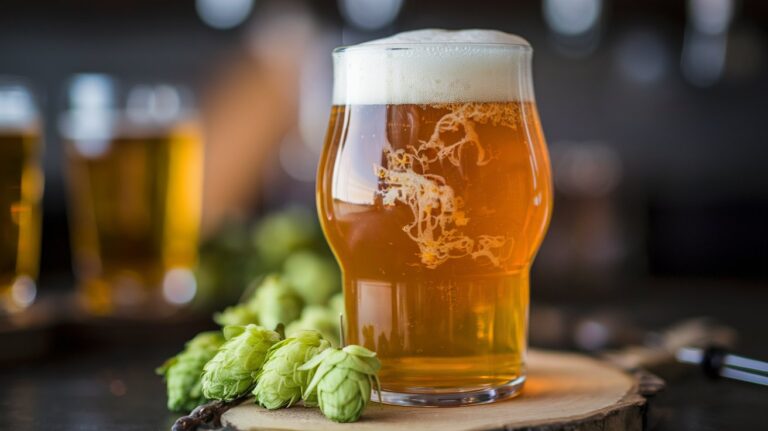
Serving pale ale beers at 45-50°F in clean glassware maximizes aroma perception and flavor balance. Pint glasses or tulip-shaped vessels concentrate hop aromatics while providing adequate surface area for proper carbonation release. Professional beer service standards recommend avoiding frosted glassware that masks delicate hop characteristics and dilutes carefully crafted beer profiles.
Related video about best pale ale beers
This video complements the article information with a practical visual demonstration.
Important things to know about best pale ale beers
What is the alcohol content of most pale ale beers?
Most pale ale beers contain between 4.5% and 6.2% ABV, with the majority falling around 5.0-5.8% alcohol by volume. This moderate strength provides enough body and complexity while remaining sessionable for multiple servings. American pale ales typically have slightly higher alcohol content than English versions due to different malt bills and brewing traditions.
How do I identify the best pale ale beer for my taste?
Start with classic examples like Sierra Nevada Pale Ale to understand traditional flavor profiles, then explore regional variations based on your hop and malt preferences. Look for freshness dates within 90 days, read brewery descriptions for hop varieties used, and consider IBU ratings for bitterness levels. Local craft beer shops often provide tastings to help identify your preferred pale ale style.
What’s the difference between pale ale and IPA?
Pale ales typically contain 30-50 IBU with balanced hop and malt character, while IPAs feature 50-100+ IBU with aggressive hop dominance. Pale ales emphasize drinkability and balance, making them more approachable for casual beer drinkers. IPAs showcase extreme hop flavors and higher alcohol content, appealing to craft beer enthusiasts seeking intense hop experiences.
Can pale ale beer be aged like wine?
Most pale ales are best consumed fresh within 3-6 months of packaging since hop flavors degrade over time. Unlike high-alcohol beers suitable for aging, pale ales rely on fresh hop character that diminishes with storage. However, some specialty barrel-aged pale ales or higher-alcohol versions can develop interesting flavors over 1-2 years when stored properly in cool, dark conditions.
Which hop varieties create the best pale ale flavors?
Cascade hops remain the gold standard for American pale ales, providing signature citrusy and floral notes. Centennial, Amarillo, and Citra hops offer tropical fruit character, while Simcoe and Columbus provide pine and earthy flavors. The best pale ales often blend multiple hop varieties during different brewing stages to create complex, layered flavor profiles that showcase American hop agriculture innovation.
How much should I expect to pay for quality pale ale beer?
Quality pale ale beers typically cost $8-15 for a six-pack at retail, with premium craft options ranging $12-18. Single bottles from specialty breweries cost $3-6, while draft pours at breweries range $5-8 per pint. Price generally reflects ingredient quality, packaging costs, and brewery reputation, with local craft options often providing better value than national brands due to reduced distribution expenses.
| Brewery Category | Best Examples | Key Characteristics |
|---|---|---|
| Traditional Classics | Sierra Nevada, Bell’s, Dale’s | Balanced hop-malt profile, 5.0-5.8% ABV |
| Modern Craft | Russian River, Stone, Founders | Innovative hops, advanced techniques |
| Regional Specialties | Deschutes, Ballast Point, Lagunitas | Local ingredient focus, terroir expression |