What Is Hop in Beer: Complete Guide to Beer Hops 2025
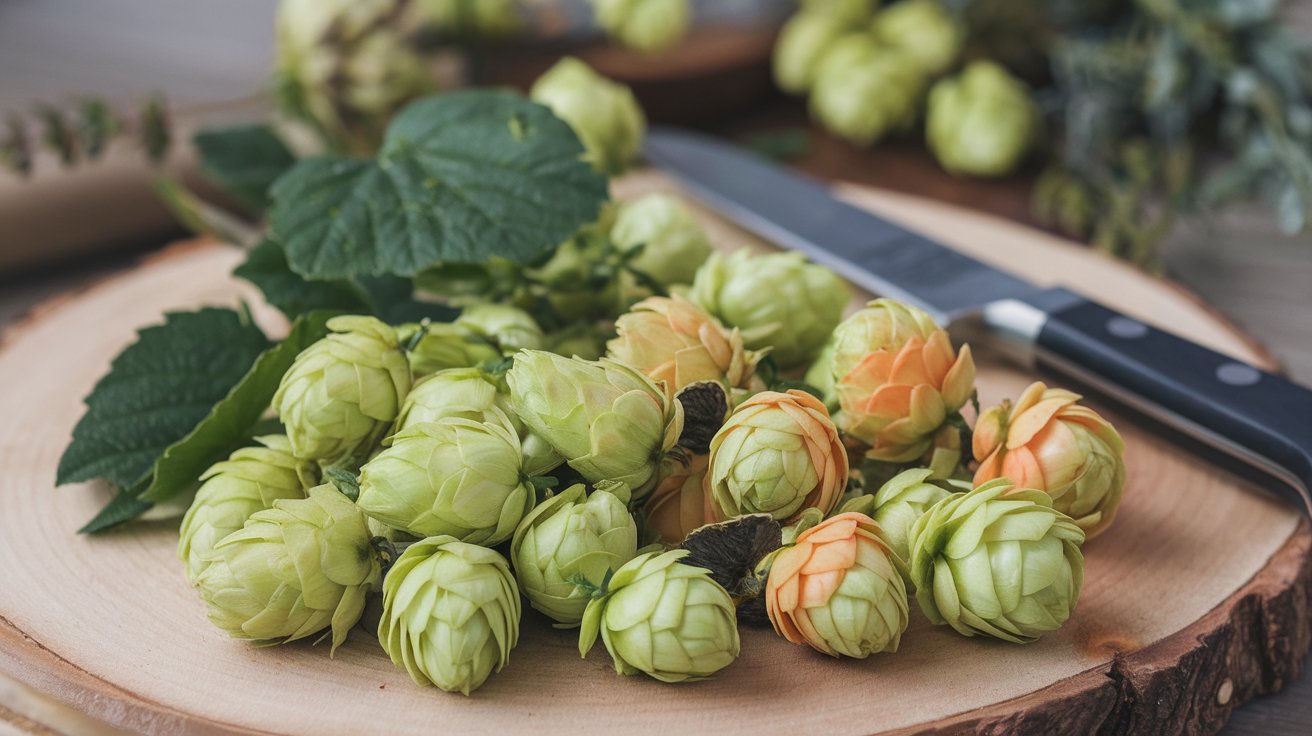
Hops in beer are the green, cone-shaped flowers of the Humulus lupulus plant that provide bitterness, flavor, aroma, and natural preservation to beer. These essential brewing ingredients balance the sweetness of malt and create the distinctive characteristics that define different beer styles, from hoppy IPAs to smooth lagers.
Understanding Beer Hops: The Essential Brewing Ingredient
Beer hops are climbing perennial plants that grow in cone-shaped flowers called strobiles. Only female hop plants produce the lupulin glands containing essential oils and alpha acids that brewers need for beer production. These compounds create the bitter taste that counteracts malt sweetness and provide antimicrobial properties that help preserve beer naturally.
The hop plant belongs to the Cannabaceae family and requires specific growing conditions with long daylight hours during summer months. Commercial hop cultivation in the United States occurs primarily in Washington, Oregon, and Idaho, which together produce over 75% of American hops. The harvest season typically runs from late August through September when hop cones reach peak lupulin content.
The Science Behind Hop Bitterness and Flavor
Alpha acids in hops undergo isomerization during the boiling process, converting into iso-alpha acids that provide the characteristic bitter taste in beer. The longer hops boil, the more alpha acids convert to bitterness, measured in International Bitterness Units (IBUs). Most American craft beers range from 15-100+ IBUs, with IPAs typically containing 40-70 IBUs.
Essential oils in hop lupulin glands create aromatic and flavor compounds including myrcene, humulene, caryophyllene, and farnesene. These volatile compounds contribute citrus, floral, piney, or herbal characteristics to beer depending on the hop variety and when they’re added during brewing. Late additions and dry hopping preserve these delicate aromatics that would otherwise evaporate during extended boiling.
Major Types of Beer Hops
Understanding different hop categories helps brewers and beer enthusiasts appreciate how these ingredients shape beer character and brewing techniques used across various styles.
Bittering Hops: Creating Beer’s Backbone
Bittering hops contain high alpha acid levels (8-17%) and are added early in the brewing process to extract maximum bitterness. Popular American bittering varieties include Magnum, Warrior, and Columbus, which provide clean bitterness without overwhelming hop flavor. These hops typically boil for 60-90 minutes, allowing complete alpha acid isomerization while volatile oils evaporate, leaving primarily bitter compounds in the finished beer.
Aroma Hops: Adding Fragrance and Flavor
Aroma hops feature lower alpha acids (2-8%) but high essential oil content, making them ideal for late boil additions, whirlpool additions, and dry hopping. Classic American aroma varieties include Cascade, Centennial, and Amarillo, known for citrus and floral characteristics. These hops are added during the final 15 minutes of boiling or after fermentation to preserve delicate aromatics that create the beer’s bouquet and flavor complexity.
Popular American Hop Varieties and Their Characteristics
The United States produces numerous distinctive hop varieties that have shaped modern craft brewing and created signature flavor profiles recognized worldwide.
Cascade: The Classic American Hop
Cascade hops were developed in 1972 and became synonymous with American craft brewing, featuring moderate alpha acids (4-7%) and distinctive citrus aroma. This variety provides grapefruit and floral notes that define American Pale Ales and many IPAs. Cascade works excellently as both a flavor and aroma hop, contributing to the signature American craft beer taste that launched the craft brewing revolution in the 1980s.
Citra: Modern Tropical Powerhouse
Citra hops debuted in 2008 and quickly became a craft brewer favorite for their intense tropical fruit and citrus characteristics. With alpha acids ranging 11-13%, Citra provides both bittering and aroma contributions featuring lime, grapefruit, passion fruit, and lychee notes. This versatile hop variety works exceptionally well in New England IPAs and fruit-forward beer styles that emphasize hop aroma over harsh bitterness.
How Hops Are Used in the Brewing Process
The brewing process incorporates hops at different stages to achieve specific flavor, aroma, and bitterness profiles that define each beer style and brewery’s signature character.
Boil Additions: Timing Is Everything
Hop additions during the boil follow specific timing to extract desired compounds. Bittering additions occur at the start of a 60-90 minute boil to maximize alpha acid isomerization. Flavor additions happen during the final 15-30 minutes, providing moderate bitterness with enhanced hop character. Aroma additions in the last 5 minutes preserve volatile oils that create the beer’s hoppy nose without excessive bitterness.
Dry Hopping: Post-Fermentation Aromatics
Dry hopping involves adding hops directly to fermenting or finished beer without heat, preserving maximum aroma compounds while extracting minimal bitterness. This technique became essential for modern IPAs and hoppy beer styles, typically using 1-4 ounces per gallon. Dry hopping duration ranges from 3-7 days, with longer contact times potentially extracting undesirable grassy or vegetal flavors alongside desired aromatics.
Hop Forms Used in Commercial Brewing
Modern breweries utilize different hop forms to achieve consistency, efficiency, and specific flavor profiles while managing storage and handling requirements for large-scale production.
Whole Cone Hops: Traditional and Aromatic
Whole cone hops maintain the complete hop structure with lupulin glands intact, providing maximum aroma potential and natural filtration during brewing. Many craft breweries prefer whole hops for premium beers despite requiring more storage space and creating more trub. These hops offer the most authentic hop character but have shorter storage life and require careful handling to prevent oxidation of essential oils.
Hop Pellets: Concentrated and Convenient
Hop pellets are compressed hop cones ground into powder and formed into small cylinders, concentrating lupulin while reducing storage requirements by 25-30%. Type 90 pellets contain 90% of original hop material, while Type 45 pellets are further concentrated lupulin extracts. Pellets offer excellent storage stability, consistent alpha acid content, and easy measurement, making them the preferred form for most commercial breweries.
Regional Hop Growing Areas in America
American hop cultivation concentrates in specific regions with optimal growing conditions, creating distinct terroir characteristics that influence flavor profiles and brewing applications across different varieties.
The Pacific Northwest dominates American hop production, with Washington State growing over 75% of U.S. hops on approximately 47,000 acres. The Yakima Valley provides ideal conditions with long summer days, cool nights, and controlled irrigation. Oregon contributes another 15% of production, while Idaho’s emerging hop regions add unique characteristics to American hop diversity.
Health Benefits and Natural Properties of Hops
Hop compounds provide several health benefits beyond their brewing applications, including natural antimicrobial properties that help preserve beer and potential wellness benefits from xanthohumol and other flavonoids.
Antimicrobial properties in hops naturally inhibit gram-positive bacteria growth, allowing beer to remain stable without artificial preservatives. Xanthohumol, a prenylated flavonoid found exclusively in hops, shows promise in research studies for potential anti-inflammatory and antioxidant effects. Additionally, hops contain compounds traditionally used for relaxation and sleep support in herbal medicine applications.
Impact of Hops on Different Beer Styles
Different beer styles utilize hops in varying amounts and techniques to achieve characteristic flavor profiles, from subtle background notes to aggressive hop-forward presentations that define style guidelines.
India Pale Ales showcase hop character with 40-100+ IBUs and extensive dry hopping, while traditional lagers use minimal hop additions for clean, crisp profiles with 8-25 IBUs. Pilsners feature noble hop varieties for delicate floral notes, and wheat beers often use low-alpha German hops for subtle spice characteristics that complement yeast-derived flavors without overwhelming the beer’s intended balance.
Related video about what is hop in beer
This video complements the article information with a practical visual demonstration.
FAQ – Common Questions
What do hops actually do in beer?
Hops provide bitterness to balance malt sweetness, contribute flavor and aroma compounds, and act as natural preservatives through antimicrobial properties. The alpha acids in hops create bitter compounds when boiled, while essential oils provide citrus, floral, piney, or herbal characteristics. Hops also help clarify beer and extend shelf life naturally.
Are hops the same thing that makes beer alcoholic?
No, hops do not create alcohol in beer. Yeast ferments the sugars from malted grains to produce alcohol and carbon dioxide. Hops add bitterness, flavor, aroma, and preservation properties but contribute no fermentable sugars. The alcohol content comes entirely from yeast converting malt sugars during fermentation.
Why are some beers more hoppy than others?
Beer hoppiness varies based on hop varieties used, quantities added, and timing during brewing. IPAs use large amounts of high-alpha hops and extensive dry hopping for intense hop character. Lagers use minimal hop additions for clean profiles. The brewing technique, hop types, and style guidelines determine the final hop intensity in different beer styles.
Can you taste the difference between hop varieties?
Yes, different hop varieties provide distinct flavor and aroma characteristics. Cascade offers citrus and floral notes, Citra provides tropical fruit flavors, and German noble hops give spicy, herbal qualities. Experienced beer drinkers can identify specific hop varieties by their unique essential oil profiles and characteristic flavor compounds.
How long do hops stay fresh for brewing?
Whole cone hops maintain peak quality for 6-12 months when stored properly in cool, dark conditions. Hop pellets last 12-24 months due to reduced oxygen exposure. Proper storage at 32-40°F in airtight containers with minimal light exposure preserves alpha acids and essential oils. Vacuum-sealed packages extend storage life significantly.
Do all beers contain hops?
Nearly all modern beers contain hops as a standard ingredient along with water, malt, and yeast. Some historical beer styles like Belgian lambics use aged hops primarily for preservation rather than flavor. Certain experimental beers may use alternative bittering agents, but hops remain fundamental to beer production and are required for most beer style definitions.
| Hop Aspect | Key Function | Beer Benefit |
|---|---|---|
| Alpha Acids | Provide bitterness through isomerization | Balances malt sweetness |
| Essential Oils | Create aroma and flavor compounds | Defines beer character and style |
| Antimicrobial Properties | Natural preservation effects | Extends shelf life without chemicals |
| Variety Selection | Different flavors and aromas | Creates unique beer profiles |