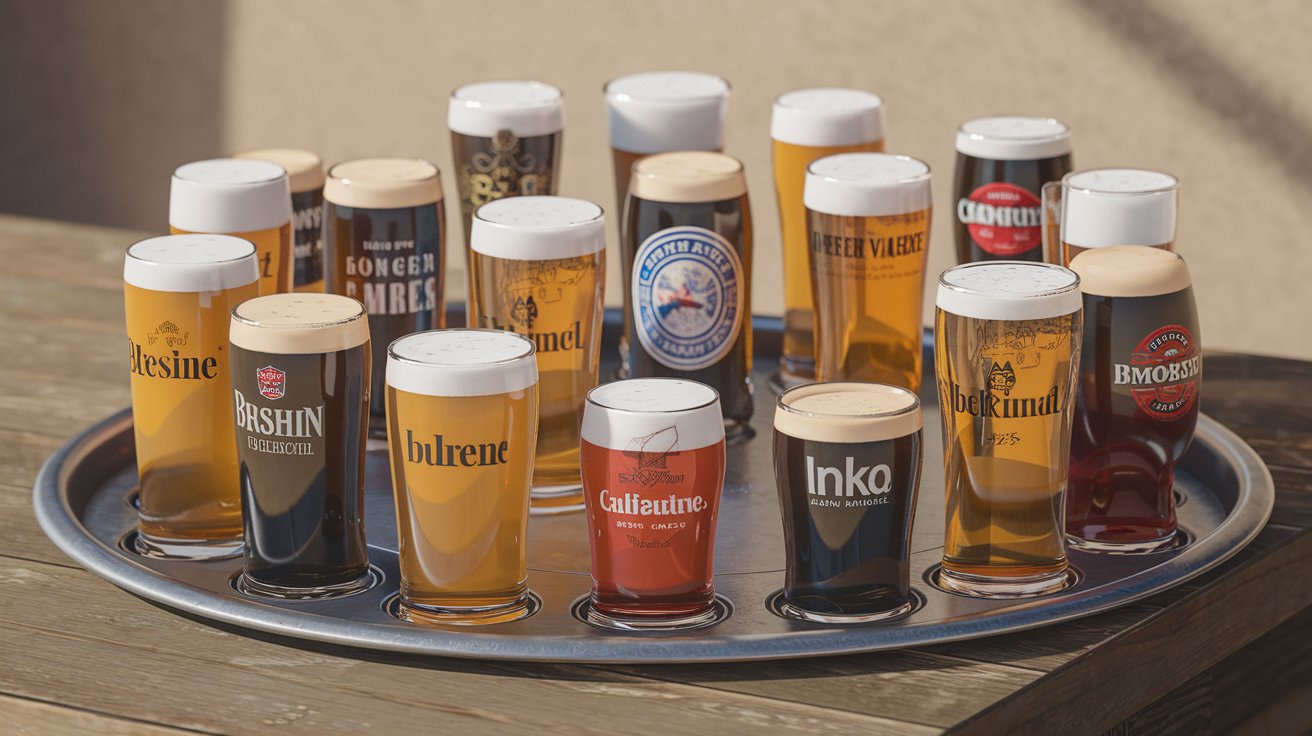
Best Lager Beer 2025: Top 15 American & International Picks
Finding the best lager beer can transform your drinking experience with crisp, clean flavors and exceptional balance. Lagers represent the world’s most popular beer style, accounting for over 85% of global beer consumption. This comprehensive guide explores the finest lager selections available in the United States for 2025, featuring both craft innovations and time-tested classics that deliver unmatched quality and taste.
What Makes the Best Lager Beer Stand Out
The best lager beer combines precise brewing techniques with quality ingredients to create a smooth, refreshing experience. Unlike ales, lagers undergo bottom fermentation at cooler temperatures between 45-55°F, resulting in cleaner flavors and fewer esters. This process typically takes 4-6 weeks, allowing complex flavors to develop while maintaining the characteristic crisp finish that defines exceptional lagers.
Premium lagers showcase balanced malt sweetness complemented by noble hop varieties that provide subtle bitterness without overwhelming the palate. The water quality significantly impacts the final product, with many renowned breweries sourcing from specific regions known for their mineral content. Temperature control during fermentation remains critical, as even slight variations can affect the beer’s clarity and flavor profile.
Key Characteristics of Premium Lagers
Premium lagers exhibit crystal-clear appearance with brilliant golden to amber hues and persistent white foam heads. The aroma typically features clean malt notes with subtle hop fragrance, while the taste delivers balanced sweetness followed by a crisp, dry finish. Alcohol content generally ranges from 4.5% to 6.0% ABV, making these beers highly sessionable for various occasions.
Brewing Process Excellence
Superior lagers require extended conditioning periods known as lagering, where beers mature in cold storage for weeks or months. This process allows harsh flavors to mellow while developing the signature smoothness that separates quality lagers from mass-produced alternatives. Traditional methods using wooden tanks or modern stainless steel fermenters both contribute to creating world-class lager beers.
Top American Craft Lagers of 2025
American craft breweries have revolutionized lager production, creating innovative lager styles that compete with traditional European offerings. These breweries combine time-honored techniques with modern equipment and locally sourced ingredients to produce exceptional beers. The craft lager segment has grown by 23% in 2024, with over 2,800 American breweries now producing at least one lager style.
Leading American craft lagers feature premium ingredients like German-grown hops, heritage malt varieties, and spring water sources. Many breweries have invested in specialized lagering facilities, with some extending conditioning periods to 12 weeks or longer. This dedication to traditional methods while embracing innovation has resulted in lagers that rival the world’s finest examples.
West Coast Craft Lager Leaders
West Coast breweries excel at producing hop-forward lagers that maintain classic balance while showcasing American hop varieties. California’s Russian River Brewing Company and Oregon’s Pfriem Family Brewers have earned international recognition for their lager programs. These breweries utilize Pacific Northwest hops and California-grown barley to create distinctive flavor profiles that represent regional terroir.
East Coast Traditional Approaches
Eastern breweries emphasize traditional European techniques with imported ingredients and extended lagering periods. Brooklyn Brewery’s flagship lager and Troegs Brewing Company’s offerings demonstrate how American brewers have mastered classical German and Czech methods. These beers often feature imported Pilsner malt and noble hop varieties for authentic flavor profiles.
Classic International Lager Brands
International lager brands continue to set global quality standards through centuries of brewing expertise and consistent production methods. German breweries like Augustiner, Weihenstephaner, and Spaten maintain traditional recipes while modern Czech breweries including Pilsner Urquell and Budweiser Budvar preserve authentic Pilsner characteristics. These brands collectively influence lager expectations worldwide.
Import availability in the United States has improved significantly in 2024, with over 150 international lager brands now distributed nationally. Premium import lagers command higher prices but offer authentic European brewing traditions and unique flavor profiles unavailable in domestic alternatives. Many feature distinctive packaging and serve as benchmarks for style authenticity.
German Lager Excellence
German lagers represent the pinnacle of brewing craftsmanship with strict adherence to the Reinheitsgebot purity law. Brands like Augustiner-Bräu and Löwenbräu showcase Munich’s brewing heritage, while northern breweries produce exceptional Pilsners. These beers feature complex malt character balanced by traditional German hop varieties, creating layered flavors that develop with each sip.
Czech Pilsner Originals
Czech Republic breweries created the original Pilsner style in 1842, establishing standards still followed today. Pilsner Urquell remains the definitive example with its distinctive Saaz hop character and soft Bohemian water profile. Modern Czech breweries like Bernard and Kout na Šumavě continue innovating within traditional frameworks, producing lagers with exceptional complexity and drinkability.
Lager Style Categories and Characteristics
Understanding different lager style categories helps identify personal preferences and pairing opportunities. The main categories include Pilsner, Märzen/Oktoberfest, Helles, Bock varieties, and American Light Lagers. Each style features distinct characteristics regarding color, strength, hop character, and malt profile, providing diverse options for various occasions and taste preferences.
Style guidelines established by the Beer Judge Certification Program provide detailed specifications for each category, including acceptable ranges for color, bitterness, alcohol content, and flavor characteristics. These standards help both brewers and consumers understand what defines exceptional examples within each style, making selection easier when exploring new lager options.
Pilsner Varieties
Pilsner lagers range from German Pils with pronounced hop bitterness to Czech Pilsner with balanced malt sweetness and floral hop aroma. American Pilsners often feature domestic hop varieties while maintaining the style’s characteristic golden color and crisp finish. These beers typically contain 4.5-5.5% ABV and showcase brilliant clarity with persistent foam heads.
Märzen and Seasonal Styles
Märzen lagers feature rich amber colors and toasted malt flavors traditionally associated with Oktoberfest celebrations. These medium-bodied beers contain 5.2-6.0% ABV and emphasize malt character over hop presence. Seasonal availability peaks during autumn months, though many breweries now produce these styles year-round due to increasing popularity.
Food Pairing Guide for Lager Beers
Perfect lager beer pairings enhance both food and beverage experiences through complementary or contrasting flavor interactions. Light lagers pair excellently with seafood, salads, and spicy cuisines, while robust styles complement grilled meats, hearty stews, and aged cheeses. The carbonation and clean finish of quality lagers cleanse the palate between bites, making them ideal accompaniments for complex meals.
Seasonal considerations influence pairing selections, with crisp Pilsners excelling during summer barbecues and rich Märzens complementing autumn comfort foods. Temperature serving recommendations vary by style, with most lagers best enjoyed between 38-45°F to maintain proper carbonation while allowing flavor development. Proper glassware selection also impacts the drinking experience and aroma perception.
Where to Buy Premium Lager Beers in 2025
Premium lager availability has expanded dramatically across the United States, with specialized beer retailers now stocking over 300 domestic and international lager options. Total Wine & More, BevMo!, and regional chains like Binny’s Beverage Depot offer extensive selections with knowledgeable staff and proper storage conditions. Online retailers provide access to rare imports and limited releases, though shipping restrictions vary by state.
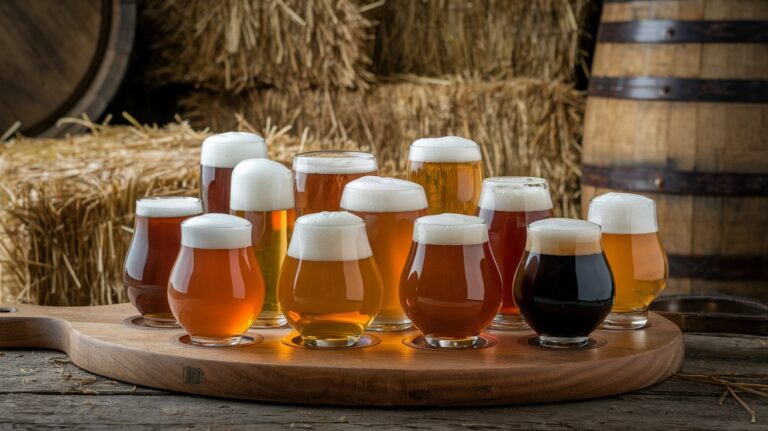
Local craft breweries increasingly focus on lager production, with taprooms offering fresh examples and brewery-exclusive releases. Many establishments provide flights or tasting opportunities to explore different styles before purchasing. Subscription services like Tavour and The Beer Drop deliver curated lager selections nationwide, introducing consumers to exceptional examples from small producers.
Related video about best lager beer
This video complements the article information with a practical visual demonstration.
Most asked questions about best lager beer
What is the difference between lager and ale beer?
Lager beer uses bottom-fermenting yeast that works at cooler temperatures (45-55°F) over 4-6 weeks, creating cleaner, crisper flavors with less fruity esters. Ale uses top-fermenting yeast at warmer temperatures (60-75°F) for shorter periods, resulting in more complex flavors with fruity and spicy characteristics. This fundamental difference affects taste, clarity, and overall beer character.
How long does lager beer stay fresh after opening?
Opened lager beer maintains optimal quality for 1-2 days when properly resealed and refrigerated at 35-40°F. Unopened bottles and cans remain fresh for 6-9 months past the production date when stored in cool, dark conditions. Draft lager from kegs stays fresh for 45-60 days, while growlers should be consumed within 24-48 hours for best flavor retention.
What temperature should lager beer be served at?
Most lager beers should be served between 38-45°F to showcase their crisp character and maintain proper carbonation. Light lagers like Pilsners perform best at 38-42°F, while stronger styles like Märzen and Bock can be served slightly warmer at 42-45°F. Serving too cold masks flavors, while too warm reduces the refreshing quality that defines quality lagers.
Which lager beer has the best taste for beginners?
Beginners should start with American Light Lagers or German Helles styles, which offer approachable flavors without overwhelming complexity. Brands like Stella Artois, Heineken, or craft options like Brooklyn Lager provide balanced taste profiles with mild hop bitterness and smooth finishes. These styles introduce fundamental lager characteristics while remaining highly drinkable for new beer enthusiasts.
Are craft lagers better than mass-produced lagers?
Craft lagers often demonstrate superior quality through small-batch production, premium ingredients, and extended conditioning periods that mass producers cannot match economically. However, some mass-produced lagers maintain consistent quality and accessibility that serves different consumer needs. The best choice depends on personal preferences, budget considerations, and desired complexity levels in flavor profiles.
What makes German lager beer so special?
German lagers excel due to the Reinheitsgebot purity law requiring only water, hops, malt, and yeast, plus centuries of brewing expertise and traditional methods. German breweries utilize superior water sources, premium Pilsner malts, and noble hop varieties while maintaining strict temperature control during extended lagering periods. This combination creates exceptionally clean, balanced beers that set global quality standards.
| Lager Category | Key Characteristics | Best Examples |
|---|---|---|
| American Craft | Innovation with traditional methods | Russian River, Brooklyn Brewery |
| German Traditional | Reinheitsgebot purity, centuries of expertise | Augustiner, Weihenstephaner |
| Czech Pilsner | Original style, Saaz hop character | Pilsner Urquell, Bernard |
| Seasonal Styles | Rich malt flavors, amber colors | Märzen, Oktoberfest varieties |