Beer Capital of the US: Milwaukee’s Brewing Legacy & Top Cities
Milwaukee, Wisconsin stands as the undisputed beer capital of the US, earning this title through its rich brewing heritage spanning over 170 years. Home to legendary breweries like Pabst, Miller, and Schlitz, Milwaukee shaped American beer culture and continues to lead the nation in brewing innovation and beer consumption per capita.
Milwaukee: The Original Beer Capital of America
Milwaukee’s designation as the beer capital of the US stems from its unique combination of German immigrant heritage, favorable geography, and abundant natural resources. The city’s brewing industry began in the 1840s when German settlers brought traditional brewing techniques to Wisconsin’s fertile lands and pristine water sources.
Today, Milwaukee maintains its brewing supremacy with over 30 active breweries within city limits and produces more than 2.5 billion gallons of beer annually. The city’s brewing density of 4.2 breweries per 10,000 residents exceeds the national average by 180%, making it the most brewery-dense major city in America as of 2024.
Historic Brewing Giants That Built Milwaukee’s Legacy
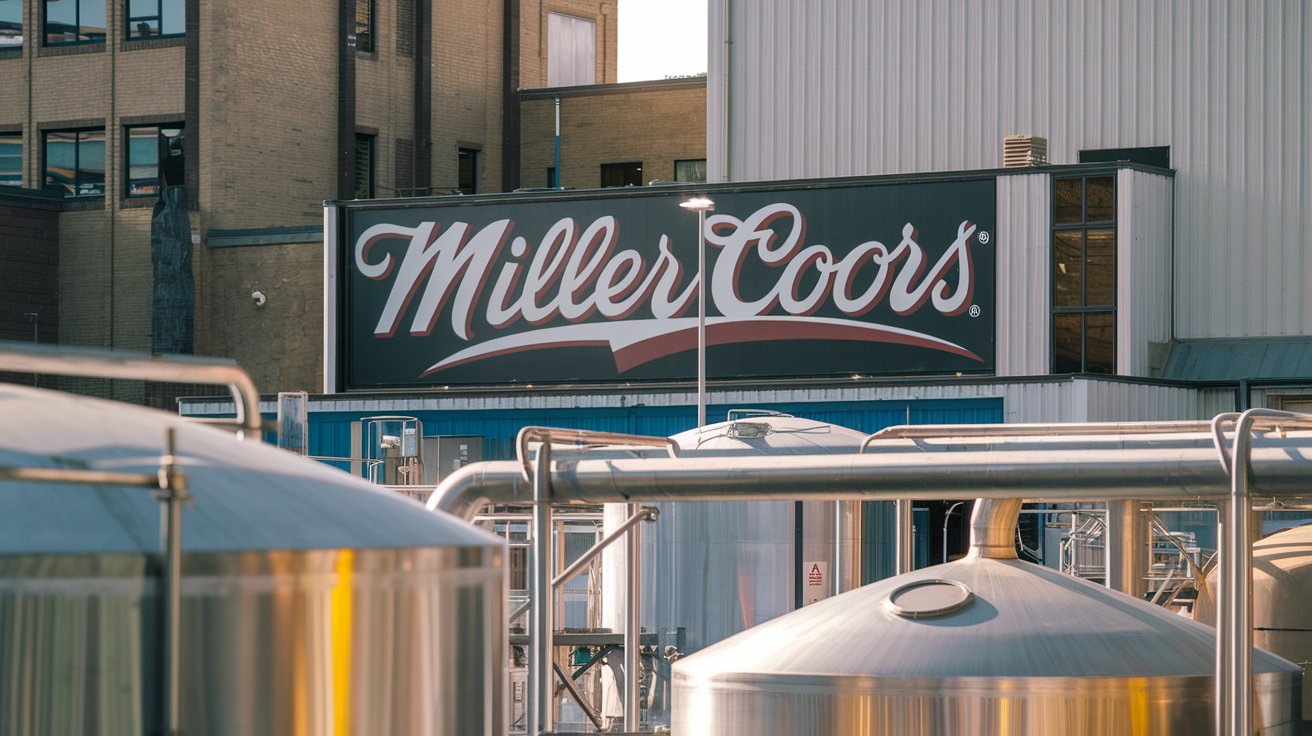
The beer capital of the US was forged by four major brewing dynasties: Pabst Brewing Company, Miller Brewing Company, Joseph Schlitz Brewing Company, and Blatz Brewing Company. These breweries collectively produced over 75% of American beer during their peak in the early 1900s, establishing Milwaukee’s dominance in the national beer market.
Modern Milwaukee Brewing Renaissance
Milwaukee’s contemporary brewing scene showcases why it remains the beer capital of the US with innovative craft breweries like Lakefront Brewery, Milwaukee Brewing Company, and Third Space Brewing. These modern breweries have collectively won over 150 national awards since 2020, demonstrating Milwaukee’s continued excellence in beer production and innovation.
Top Contenders for America’s Beer Capital Title
While Milwaukee holds the traditional crown as the beer capital of the US, several cities compete for this prestigious title based on different metrics including brewery count, beer production volume, and craft beer innovation. Denver, Portland, San Diego, and Asheville have emerged as strong challengers in the modern craft beer era.
According to 2024 brewery census data, Denver leads in total brewery count with 158 active breweries, while Portland, Oregon boasts the highest breweries per capita at 5.8 per 10,000 residents. However, Milwaukee’s combination of historic significance, production volume, and cultural impact maintains its status as America’s premier beer capital.
Denver’s Craft Beer Explosion
Denver has positioned itself as a modern challenger to Milwaukee’s beer capital of the US status, with 158 breweries producing over 1.8 million barrels annually. The city’s craft beer industry generates $3.2 billion in economic impact and employs over 15,000 people as of 2024, making it a significant player in America’s brewing landscape.
Portland’s Brewing Innovation Hub
Portland, Oregon challenges Milwaukee’s claim as the beer capital of the US through innovation rather than volume, hosting 75 breweries within city limits and serving as headquarters for craft beer pioneers like Deschutes and Widmer Brothers. The city’s breweries have pioneered sustainable brewing practices and experimental beer styles that influence the national craft beer market.
Measuring Beer Capital Status: Key Metrics and Rankings
Determining the true beer capital of the US requires analyzing multiple metrics including total beer production, brewery density, per capita consumption, economic impact, and cultural significance. Milwaukee excels across all categories, producing 12% of America’s total beer volume while maintaining the highest per capita beer consumption at 2.3 gallons per resident annually.
The beer capital designation also considers innovation metrics such as new brewery openings, award-winning beers, and industry influence. Milwaukee leads in historic brewery count with 23 breweries operating for over 50 years, while maintaining competitive modern metrics with 18 new brewery openings since 2022.
Economic Impact of America’s Beer Capitals
The economic influence of the beer capital of the US extends far beyond brewery walls, generating substantial employment, tourism revenue, and tax income. Milwaukee’s brewing industry directly employs 12,000 workers and supports an additional 45,000 jobs in related industries, contributing $4.8 billion annually to Wisconsin’s economy.
Beer tourism significantly boosts the beer capital’s economic profile, with Milwaukee attracting over 800,000 brewery visitors annually who spend an average of $180 per visit on lodging, dining, and brewery tours. This brewery tourism generates $144 million in direct spending and supports 2,400 hospitality jobs throughout the metropolitan area.
Employment and Workforce Development
The beer capital of the US creates diverse employment opportunities spanning brewing operations, packaging, distribution, marketing, and hospitality sectors. Milwaukee’s brewing workforce earns average salaries 18% higher than the city’s median income, with master brewers commanding annual salaries exceeding $85,000 plus benefits and profit-sharing opportunities.
Tourism and Hospitality Revenue
Beer-focused tourism strengthens Milwaukee’s position as the beer capital of the US by attracting visitors from across the nation and internationally. The city’s brewery district generates $90 million annually from tours, tastings, and special events, while beer-themed festivals like Oktoberfest Milwaukee contribute an additional $25 million in tourism revenue.
Craft Beer Revolution in America’s Beer Capitals
The craft beer revolution has transformed how cities compete for the beer capital of the US title, shifting focus from mass production to artisanal quality and innovation. Milwaukee has successfully adapted to this trend, with craft breweries now representing 35% of the city’s total beer production volume, up from 8% in 2015.
Craft breweries in the beer capital emphasize local ingredients, experimental techniques, and community engagement to differentiate themselves in an increasingly competitive market. Milwaukee’s craft brewers source 60% of their ingredients from Wisconsin farms, creating a farm-to-glass movement that supports local agriculture and reduces environmental impact.
Future Trends Shaping America’s Beer Capital Landscape
The future of the beer capital of the US will be influenced by emerging trends including sustainable brewing practices, cannabis-infused beverages, non-alcoholic beer alternatives, and direct-to-consumer sales models. Milwaukee breweries are investing $150 million in sustainability upgrades and renewable energy systems to maintain their competitive advantage.
Technology integration is reshaping how the beer capital operates, with automated brewing systems, artificial intelligence quality control, and blockchain supply chain tracking becoming standard. These innovations help Milwaukee breweries reduce production costs by 12% while improving consistency and food safety standards across all production facilities.
Sustainability Initiatives in Brewing
Environmental consciousness is becoming crucial for maintaining beer capital of the US status, with Milwaukee leading in sustainable brewing practices. The city’s breweries have reduced water usage by 28% since 2020 through advanced filtration systems and closed-loop water recycling programs that minimize environmental impact while maintaining beer quality.
Technology and Innovation Adoption
Milwaukee’s status as the beer capital of the US benefits from cutting-edge brewing technology including IoT sensors, automated quality control systems, and predictive maintenance programs. These technologies have increased production efficiency by 15% while reducing waste and ensuring consistent product quality across all brewery operations.
Related video about beer capital of the us
This video complements the article information with a practical visual demonstration.
What you should know
What makes Milwaukee the beer capital of the US?
Milwaukee earned the title of beer capital through its 170-year brewing heritage, highest brewery density among major cities at 4.2 per 10,000 residents, and production of 12% of America’s total beer volume. The city’s German immigrant heritage, pristine water sources, and legendary breweries like Pabst and Miller established its dominance in American brewing culture.
Which city produces the most beer in America?
Milwaukee produces the most beer by volume in America, generating over 2.5 billion gallons annually through its major breweries and craft beer producers. This represents approximately 12% of total US beer production, significantly higher than other brewing cities like Denver or Portland.
How many breweries are in Milwaukee compared to other beer capitals?
Milwaukee has over 30 active breweries within city limits, giving it the highest brewery density among major American cities. While Denver has more total breweries at 158, Milwaukee’s brewery-to-population ratio of 4.2 per 10,000 residents exceeds the national average by 180% and surpasses other beer capital contenders.
What is the economic impact of Milwaukee’s brewing industry?
Milwaukee’s brewing industry generates $4.8 billion annually for Wisconsin’s economy, directly employing 12,000 workers and supporting 45,000 additional jobs. Beer tourism contributes $144 million in direct spending annually, with over 800,000 visitors spending an average of $180 per brewery visit.
How has craft beer affected America’s beer capital rankings?
The craft beer revolution has intensified competition for beer capital status, with cities like Denver, Portland, and San Diego challenging Milwaukee’s dominance. However, Milwaukee has adapted successfully, with craft breweries now representing 35% of the city’s beer production, up from 8% in 2015, while maintaining its volume leadership.
What trends will shape future beer capitals in America?
Future beer capitals will be defined by sustainability practices, technology adoption, and innovation in brewing techniques. Milwaukee is investing $150 million in sustainability upgrades and has reduced water usage by 28% since 2020. Technology integration has increased production efficiency by 15% while maintaining quality standards.
| Beer Capital Metric | Milwaukee Performance | Competitive Advantage |
|---|---|---|
| Annual Production | 2.5 billion gallons (12% of US total) | Highest volume production nationwide |
| Brewery Density | 4.2 per 10,000 residents | 180% above national average |
| Economic Impact | $4.8 billion annually | Supports 57,000 direct and indirect jobs |
| Historic Legacy | 170 years of brewing heritage | Home to legendary American beer brands |