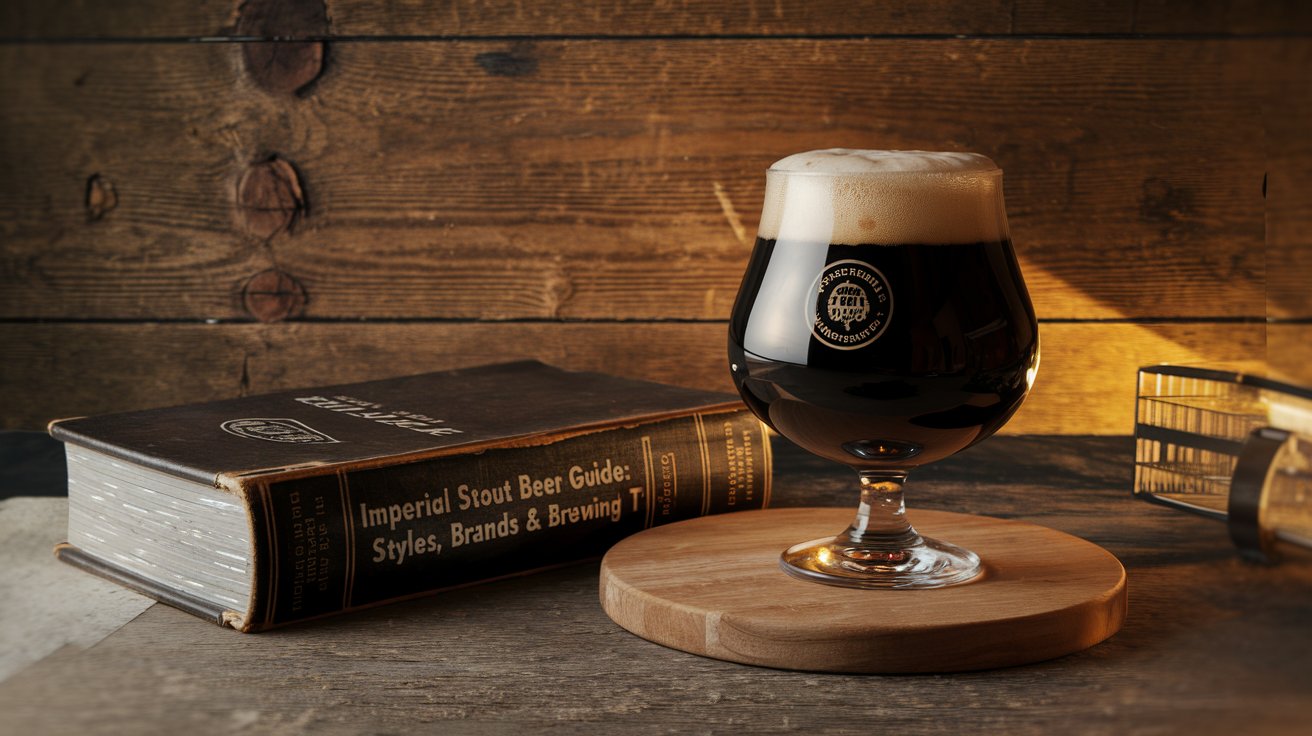
Imperial Stout Beer Guide: Styles, Brands & Brewing Tips
Imperial stout represents one of the most complex and robust beer styles in the craft brewing world, characterized by its high alcohol content, rich chocolate and coffee flavors, and full-bodied texture. Originally brewed in 18th-century England for Russian royalty, this bold dark beer has evolved into countless variations that showcase the creativity of modern American brewers, with alcohol content typically ranging from 8% to 15% ABV.
What Is Imperial Stout Beer
Imperial stout is a high-alcohol dark beer that originated as a stronger version of traditional stout, specifically crafted to survive long journeys to imperial Russia. This beer style features intense roasted malt flavors, creating complex notes of dark chocolate, espresso, vanilla, and sometimes dried fruits. The imperial designation indicates both higher alcohol content and more intense flavors compared to regular stouts.
Modern imperial stouts showcase remarkable diversity in flavor profiles, from bone-dry versions to dessert-like variants aged in bourbon barrels. American craft brewers have particularly embraced this style, creating innovative interpretations that push the boundaries of traditional brewing while maintaining the beer’s characteristic boldness and complexity.
Imperial Stout Characteristics and Flavor Profile
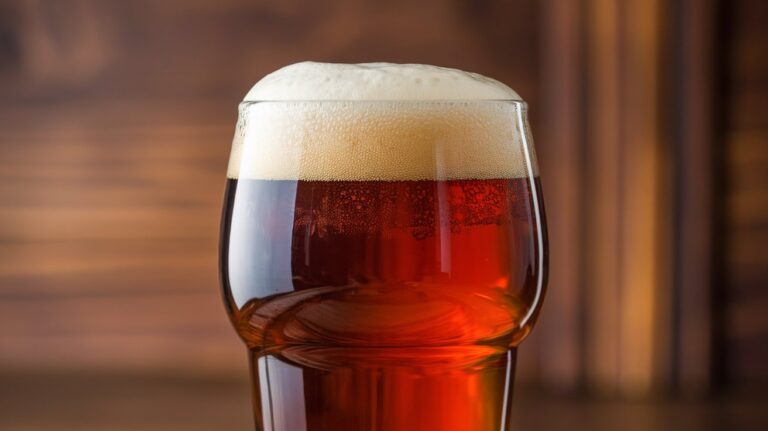
The defining characteristics of imperial stout include a deep black or dark brown color with minimal light penetration, creating an almost opaque appearance in the glass. The aroma typically combines roasted malt sweetness with alcohol warmth, often presenting notes of dark chocolate, coffee, caramel, and sometimes vanilla or oak when barrel-aged.
Flavor complexity in imperial stouts ranges from bitter coffee and dark chocolate to sweet molasses and dried fruit characteristics. The mouthfeel is typically full-bodied with moderate to low carbonation, allowing the rich flavors to coat the palate. Alcohol content usually falls between 8% and 15% ABV, with some extreme versions reaching even higher percentages.
Types of Imperial Stout
American craft breweries have developed numerous imperial stout variations that cater to different taste preferences and brewing techniques. Each style maintains the core characteristics while introducing unique elements that distinguish them in the marketplace.
Barrel-Aged Imperial Stouts
Barrel-aged imperial stouts represent the premium segment of this beer category, aged in various barrels including bourbon, whiskey, rum, or wine casks. The aging process typically lasts 6 to 24 months, allowing the beer to absorb flavors from the wood and previous barrel contents. Popular examples include Goose Island Bourbon County Stout and Founders KBS, which command premium prices due to their complexity and limited production runs.
Pastry Imperial Stouts
Pastry stouts have gained enormous popularity since 2018, incorporating dessert-inspired ingredients like vanilla, cinnamon, marshmallow, or actual cake and cookie components. These beers often feature lower hop bitterness to showcase sweet and creamy flavors, appealing to consumers who prefer dessert-like beverages. Breweries like Evil Twin and The Veil have built reputations around these innovative creations.
Coffee Imperial Stouts
Coffee-infused imperial stouts combine the roasted flavors of specialty coffee with the beer’s natural coffee-like characteristics from dark malts. Brewers often collaborate with local coffee roasters to create unique blends, adding cold-brewed coffee during fermentation or conditioning. These beers appeal to both coffee enthusiasts and beer lovers, creating a crossover market segment.
Best Imperial Stout Brands in America
The American imperial stout market features both established classics and innovative newcomers, with certain brands consistently ranking among the best according to beer rating platforms like Untappd and RateBeer. These breweries have mastered the balance between tradition and innovation.
Classic American Imperial Stouts
Bell’s Expedition Stout remains a benchmark for the style, offering consistent quality and availability across multiple states since 1989. Samuel Smith’s Imperial Stout, while English-brewed, maintains strong American distribution and represents traditional imperial stout characteristics. Stone Imperial Stout showcases the West Coast approach with pronounced hop character balancing the malt sweetness.
Premium and Limited Release Imperial Stouts
Founders KBS (Kentucky Breakfast Stout) epitomizes the premium barrel-aged category, combining chocolate, coffee, and bourbon barrel flavors in limited annual releases. Goose Island Bourbon County Stout variants command cult followings, with special releases selling out within hours of distribution. These premium offerings often retail for $15-40 per bottle, reflecting their artisanal production methods.
Imperial Stout Alcohol Content and Strength
Imperial stout alcohol levels typically range from 8% to 12% ABV for standard versions, with barrel-aged and specialty variants often reaching 13% to 15% ABV. Some extreme examples exceed 20% ABV, though these represent outliers rather than typical commercial offerings. The high alcohol content contributes to the beer’s warming sensation and helps preserve the complex flavors during aging.
Understanding alcohol content becomes crucial for consumers, as these beers require different serving sizes and consumption approaches compared to lighter beer styles. Many breweries now offer smaller serving sizes (6-8 oz pours) to accommodate the higher alcohol levels while allowing patrons to experience multiple varieties.
How Imperial Stout Is Made
The imperial stout brewing process begins with a substantial grain bill dominated by base malts and multiple specialty malts including chocolate malt, black patent malt, and roasted barley. The malt-to-water ratio typically exceeds that of lighter beers, creating the foundation for higher alcohol content and complex flavors.
Fermentation for imperial stouts often employs ale yeasts capable of handling high alcohol environments, with some breweries using multiple yeast strains or extended fermentation periods lasting several weeks. Temperature control becomes critical during fermentation to prevent off-flavors while encouraging complete sugar conversion, especially important given the high original gravity of these beers.
Imperial Stout Food Pairing Guide
Imperial stout pairing opportunities span from rich desserts to savory meat dishes, with the beer’s complexity complementing equally bold flavors. Classic pairings include dark chocolate desserts, vanilla ice cream, aged cheeses like stilton or aged cheddar, and grilled or smoked meats.
Seasonal considerations for imperial stout consumption favor cooler months, when the beer’s warming qualities and rich flavors align with comfort food preferences. However, modern serving techniques including proper temperature control (50-55°F) make these beers enjoyable year-round when paired appropriately with cuisine.
Where to Buy Imperial Stout
Purchasing imperial stout requires understanding distribution patterns, as many premium versions have limited availability. Specialty beer stores, craft beer focused bottle shops, and brewery taprooms offer the widest selections, often featuring rare and limited releases unavailable in general retail.
Online purchasing through platforms like Tavour, Craft City, or brewery websites has expanded imperial stout accessibility, though shipping restrictions vary by state. Many breweries now offer direct-to-consumer shipping where legally permitted, allowing enthusiasts to access limited releases regardless of geographic location.
Imperial Stout Storage and Serving Tips
Proper imperial stout storage requires cool, dark conditions between 50-55°F to maintain flavor integrity and prevent premature aging. Many high-alcohol imperial stouts improve with cellaring for 1-5 years, developing smoother alcohol integration and enhanced complexity over time.
Serving imperial stouts at the correct temperature (50-55°F) allows optimal flavor expression while preventing alcohol harshness that occurs when served too warm. Glassware selection impacts the drinking experience, with tulip glasses or snifters concentrating aromatics while providing adequate space for swirling and warming in the hand.
Related video about imperial stout
This video complements the article information with a practical visual demonstration.
Key Questions and Answers
What is the difference between stout and imperial stout?
Imperial stout contains significantly higher alcohol content (8-15% ABV vs 4-7% for regular stout) and more intense flavors. Imperial versions feature more complex malt bills, longer fermentation periods, and often incorporate specialty ingredients or barrel aging, resulting in a fuller body and richer flavor profile than traditional stouts.
How much alcohol is in imperial stout?
Imperial stout typically contains 8-15% alcohol by volume (ABV), with most commercial versions falling between 9-12% ABV. Barrel-aged and specialty variants may reach 15-20% ABV. This high alcohol content contributes to the beer’s warming sensation and helps preserve complex flavors during extended aging periods.
Can imperial stout be aged like wine?
Yes, imperial stouts with alcohol content above 10% ABV can be successfully aged for 1-10 years under proper storage conditions. Aging develops smoother alcohol integration, enhanced vanilla and oak flavors (especially in barrel-aged versions), and increased complexity. Store bottles upright in cool, dark conditions between 50-55°F for optimal results.
What foods pair best with imperial stout?
Imperial stout pairs excellently with rich desserts like chocolate cake, vanilla ice cream, tiramisu, and crème brûlée. Savory pairings include aged cheeses, grilled steaks, barbecue, and smoked meats. The beer’s roasted flavors complement coffee-based desserts, while its sweetness balances spicy or bitter foods.
Are imperial stouts expensive compared to other beers?
Imperial stouts typically cost $8-15 for standard bottles and $15-50 for premium barrel-aged versions. The higher price reflects increased ingredient costs, longer production times, aging processes, and often limited production runs. Specialty and rare releases can command even higher prices in the secondary market.
When is the best time to drink imperial stout?
Imperial stouts are traditionally consumed during cooler months (October through March) when their warming qualities and rich flavors align with seasonal preferences. However, they can be enjoyed year-round when served at proper temperatures (50-55°F) and paired with appropriate foods or enjoyed as digestifs after meals.
| Imperial Stout Aspect | Key Details | Consumer Benefit |
|---|---|---|
| Alcohol Content | 8-15% ABV, warming sensation | Higher value per serving, perfect for sipping |
| Flavor Complexity | Chocolate, coffee, vanilla, fruit notes | Sophisticated tasting experience |
| Aging Potential | 1-10 years cellaring capability | Investment opportunity, flavor development |
| Food Pairing | Desserts, aged cheese, grilled meats | Versatile dining companion |
| Seasonal Appeal | Perfect for fall/winter consumption | Comfort and warmth during cold months |