Best Good Beers to Drink in 2025: Top American Favorites
Finding good beers to drink in America has never been more exciting, with over 9,000 craft breweries producing exceptional varieties in 2025. Whether you’re a beer novice seeking approachable flavors or an experienced enthusiast exploring new styles, this comprehensive guide covers the top American beers that deliver outstanding taste, quality, and value across every category.
Top American Lagers and Light Beers
American lagers represent the foundation of good beers to drink for those seeking crisp, refreshing flavors. These beers account for approximately 65% of beer consumption in the United States as of 2025, making them the most popular choice among American drinkers. Classic options like Budweiser, Coors Light, and Miller High Life continue to dominate market share due to their consistency and widespread availability.
Craft breweries have elevated the lager category with premium offerings like Samuel Adams Boston Lager, which showcases rich malt character and noble hop balance. Regional favorites such as Yuengling Traditional Lager from Pennsylvania and Shiner Bock from Texas demonstrate how local breweries create distinctive lagers that reflect their geographic origins. These beers typically range from 4.2% to 5.5% alcohol by volume, making them ideal for social drinking and pairing with American cuisine.
Premium American Lager Brands
Premium American lagers offer enhanced flavor profiles compared to mass-market options while maintaining approachable characteristics. Brands like Samuel Adams, Sierra Nevada Summerfest, and Great Lakes Dortmunder Gold represent the pinnacle of American lager brewing, utilizing traditional German techniques with American ingredients. These beers typically cost between $8-$12 per six-pack and provide excellent value for their quality level.
Light Beer Options for Health-Conscious Drinkers
Light beers remain among the most popular good beers to drink for calorie-conscious consumers, with options like Michelob Ultra containing only 95 calories per 12-ounce serving. Modern light beers have significantly improved in taste, with craft breweries introducing session ales and light IPAs that maintain flavor while reducing alcohol content to 3.5%-4.5% ABV. These beers perfect for outdoor activities, sports viewing, and extended social gatherings.
Craft IPA and Hoppy Beer Selections
India Pale Ales have revolutionized American beer culture, representing over 25% of craft beer sales in 2025. These good beers to drink showcase bold hop flavors ranging from citrusy and tropical to piney and resinous, creating complex flavor experiences that have attracted millions of new craft beer enthusiasts. The American IPA style has evolved beyond traditional British origins to become distinctly American through innovative hop varieties and brewing techniques.
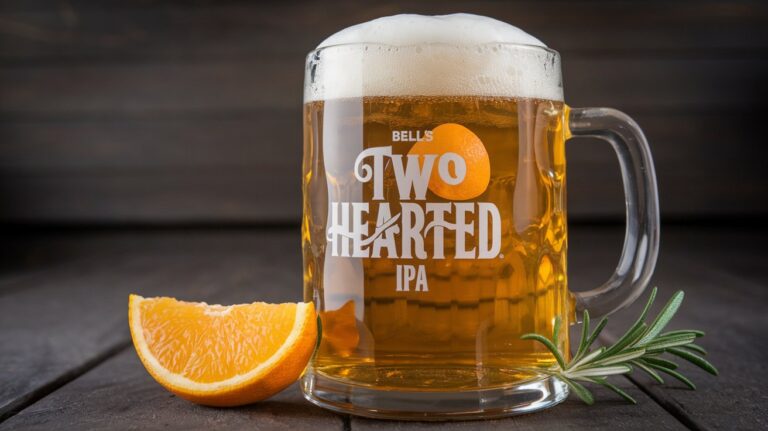
Leading IPA producers like Dogfish Head 60 Minute IPA, Stone IPA, and Bell’s Two Hearted Ale have established benchmarks for the style while inspiring countless variations. New England IPAs have gained tremendous popularity for their hazy appearance and juicy hop character, with breweries like Tree House, Trillium, and Other Half commanding premium prices and cult followings. Double IPAs push hop intensity further with alcohol levels reaching 8%-10% ABV.
West Coast vs East Coast IPA Styles
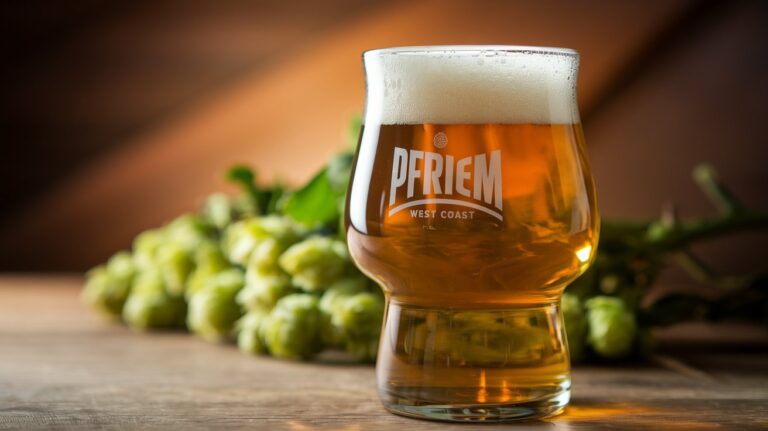
West Coast IPAs emphasize bright, bitter hop character with crystal-clear appearance, while East Coast variations focus on tropical fruit flavors with hazy, unfiltered presentation. California breweries like Russian River, Ballast Point, and Green Flash pioneered the West Coast style, creating benchmark beers that showcase American hop varieties like Cascade, Centennial, and Chinook. The regional differences reflect distinct brewing philosophies and consumer preferences.
Session IPAs for Extended Drinking
Session IPAs provide hoppy beer flavors at lower alcohol levels, typically 3.5%-5.0% ABV, making them ideal for longer drinking sessions. Founders All Day IPA, Oskar Blues Pinner, and Lagunitas DayTime represent excellent examples of this growing category, offering full IPA character without overwhelming alcohol strength. These beers bridge the gap between light lagers and full-strength IPAs.
Wheat Beers and Seasonal Selections
Wheat beers provide smooth, approachable options among good beers to drink for those preferring lighter, less bitter flavors. American wheat ales like Samuel Adams Summer Ale and Boulevard Unfiltered Wheat showcase the style’s characteristic cloudy appearance and soft mouthfeel. These beers typically incorporate 30%-50% wheat in their grain bill, creating naturally smooth textures and subtle flavors perfect for hot weather consumption.
German-style hefeweizens from breweries like Paulaner and domestic versions from Sierra Nevada and Widmer Brothers offer traditional banana and clove flavors derived from specialized wheat beer yeasts. Belgian witbiers like Blue Moon and Shock Top add citrus and spice elements, creating refreshing alternatives to hoppy beers. Seasonal wheat beers often incorporate fruits, spices, and herbs to create unique drinking experiences throughout the year.
Stouts and Porter Beer Recommendations
Dark beers represent sophisticated choices among good beers to drink for those seeking rich, complex flavors. American stouts and porters have evolved beyond traditional Irish and English styles to incorporate coffee, chocolate, vanilla, and barrel-aging techniques. Guinness remains the most recognizable stout globally, but American breweries like Founders, Great Divide, and Deschutes have created world-class dark beer alternatives.
Imperial stouts and barrel-aged porters command premium prices due to their complex production processes and extended aging requirements. Breweries like Goose Island Bourbon County Stout and Bell’s Expedition Stout represent pinnacle examples of American dark beer craftsmanship, often selling for $15-$30 per bottle. These beers pair excellently with desserts, cigars, and cold weather consumption.
Coffee and Chocolate Stouts
Coffee stouts combine roasted malt character with actual coffee additions, creating complex beverages that appeal to coffee and beer enthusiasts alike. Founders Breakfast Stout, Left Hand Milk Stout Nitro, and Deschutes Black Butte Porter showcase how breweries successfully incorporate coffee elements without overwhelming beer character. These beers typically range from 5.5%-8.5% ABV and pair excellently with brunch foods and desserts.
Imperial and Barrel-Aged Varieties
Imperial stouts push alcohol levels to 9%-12% ABV while incorporating intense flavors from extended aging processes. Barrel-aged stouts spend months or years in whiskey, bourbon, or wine barrels, developing complex vanilla, oak, and spirit character. These premium beers often require advance purchase and command prices similar to fine wines, reflecting their artisanal production methods and limited availability.
Regional American Beer Specialties
Regional breweries produce distinctive good beers to drink that reflect local ingredients, climate, and cultural preferences. Texas breweries like Shiner and Saint Arnold incorporate regional pride into approachable beer styles, while Colorado’s high altitude creates unique brewing conditions that influence flavor development. California’s diverse climate supports year-round brewing of fresh, hop-forward beers that showcase local agriculture.
Northeast breweries have pioneered the New England IPA style, while Pacific Northwest producers focus on hop cultivation and innovation. Southern breweries increasingly incorporate local ingredients like pecans, sweet potatoes, and regional fruits to create distinctive flavor profiles. These regional specialties often provide better value than national brands while supporting local economies and brewing traditions.
Sour and Wild Fermented Beers
Sour beers represent the fastest-growing segment among good beers to drink for adventurous consumers, with sales increasing 35% annually since 2022. American breweries have embraced traditional European sour brewing techniques while innovating with local fruits and wild yeast strains. Gose-style beers with sea salt and coriander additions have become particularly popular in warmer climates.
Lambic-inspired beers from breweries like Russian River, The Bruery, and Jester King showcase complex fermentation processes that can take years to complete. Kettle sours provide quicker production methods while delivering approachable tartness that appeals to wine drinkers transitioning to beer. Fruit-forward sours incorporating berries, stone fruits, and tropical varieties create refreshing alternatives to traditional beer styles.
Gose and Berliner Weisse Styles
Gose beers combine light tartness with sea salt and coriander spice, creating refreshing beverages perfect for hot weather consumption. American interpretations from breweries like Anderson Valley and Westbrook add fruit flavors while maintaining traditional German character. These beers typically range from 3.5%-5.0% ABV and provide excellent introductions to sour beer styles for hesitant consumers.
Wild Fermentation and Barrel-Aged Sours
Wild fermentation utilizing native yeast strains creates complex sour beer flavors that vary by geographic location and seasonal conditions. Breweries like Jester King in Texas and Allagash in Maine have built reputations on wild fermentation expertise, producing limited-release beers that sell out within hours. These beers often cost $20-$50 per bottle due to extended aging requirements and limited production quantities.
Belgian-Style American Beers
Belgian-inspired brewing techniques have produced some of America’s most celebrated good beers to drink, combining Old World traditions with New World innovation. American breweries like Allagash, Ommegang, and The Lost Abbey have mastered Belgian yeast strains and traditional ingredients while creating distinctly American interpretations. These beers often incorporate higher alcohol levels and complex spice additions.
Belgian dubbels and tripels showcase rich malt character balanced with fruity yeast esters, creating sophisticated drinking experiences that pair well with fine dining. American versions often emphasize hop character more than traditional Belgian examples, creating hybrid styles that appeal to American palates. Saison-style farmhouse ales have become particularly popular for their dry, refreshing character and food-friendly nature.
Low-Alcohol and Non-Alcoholic Options
The non-alcoholic beer market has experienced explosive growth, with sales increasing 200% between 2022 and 2025 as health-conscious consumers seek good beers to drink without alcohol effects. Modern production techniques have dramatically improved flavor quality, with brands like Athletic Brewing, Heineken 0.0, and Corona Premier delivering authentic beer taste at 0.5% ABV or less.
Session ales and low-alcohol beers provide compromise options between full-strength and alcohol-free varieties, typically ranging from 2.5%-4.0% ABV. These beers allow extended consumption without significant impairment while maintaining complex flavors. Craft breweries increasingly offer session versions of popular styles, recognizing growing demand for moderation-friendly options.
Related video about good beers to drink
This video complements the article information with a practical visual demonstration.
Frequently Asked Questions
What are the most popular good beers to drink in America?
The most popular good beers to drink in America include Budweiser, Coors Light, and Miller Lite among mass-market options, while craft favorites include Samuel Adams Boston Lager, Sierra Nevada Pale Ale, and Dogfish Head 60 Minute IPA. These beers combine widespread availability, consistent quality, and approachable flavors that appeal to diverse American palates.
How do I choose good beers for beginners?
Beginners should start with lighter, less bitter styles like wheat beers, blonde ales, or premium lagers such as Samuel Adams or Stella Artois. These beers offer smooth, approachable flavors without overwhelming hop bitterness or complex characteristics. Gradually explore different styles based on preferred flavors, moving from lighter to more intense varieties as taste preferences develop.
What makes craft beers better than mass-produced options?
Craft beers typically offer superior ingredient quality, more complex flavors, and innovative brewing techniques compared to mass-produced alternatives. Craft breweries use premium malts, specialty hops, and unique yeast strains while maintaining smaller batch sizes that ensure freshness. However, mass-produced beers provide consistency, affordability, and widespread availability that many consumers prefer for everyday drinking.
Are expensive beers always better quality?
Expensive beers often reflect premium ingredients, extended aging processes, or limited production quantities, but price doesn’t always guarantee superior taste. Many excellent beers under $10 per six-pack offer outstanding quality and flavor. Factors like barrel aging, rare ingredients, and small-batch production justify higher prices for specialty beers, but personal preference ultimately determines value.
How should I store good beers at home?
Store good beers in cool, dark conditions between 35-45°F, away from direct sunlight and temperature fluctuations. Most beers should be consumed within 3-6 months of purchase for optimal freshness, though high-alcohol styles like imperial stouts can age longer. Keep bottles upright to minimize oxidation, and avoid storing beer in warm garages or areas with temperature swings.
What food pairs well with different beer styles?
Light lagers pair excellently with seafood, salads, and spicy foods, while IPAs complement bold flavors like grilled meats and strong cheeses. Wheat beers work well with lighter fare like chicken and vegetables, and dark stouts enhance chocolate desserts and hearty stews. Consider matching beer intensity with food richness, and use complementary or contrasting flavors to create balanced pairings.
| Beer Style | Best Examples | Key Benefits |
|---|---|---|
| American Lagers | Samuel Adams, Yuengling | Crisp, refreshing, widely available |
| Craft IPAs | Dogfish Head 60 Minute, Bell’s Two Hearted | Bold flavors, artisanal quality |
| Wheat Beers | Blue Moon, Sierra Nevada Wheat | Smooth texture, beginner-friendly |
| Stouts & Porters | Guinness, Founders Breakfast Stout | Rich complexity, dessert pairing |