Blonde Ale: Complete Guide to America’s Favorite Light Beer
Blonde ale represents one of America’s most approachable and refreshing beer styles, offering a perfect balance between light lagers and more complex craft beers. This golden-colored beer features a smooth, malty sweetness with subtle hop character, making it an ideal choice for both beer newcomers and seasoned enthusiasts. With alcohol content typically ranging from 4.5% to 5.5% ABV, blonde ale has become a staple in American craft breweries and continues to grow in popularity across the United States.
What is Blonde Ale: Definition and Characteristics
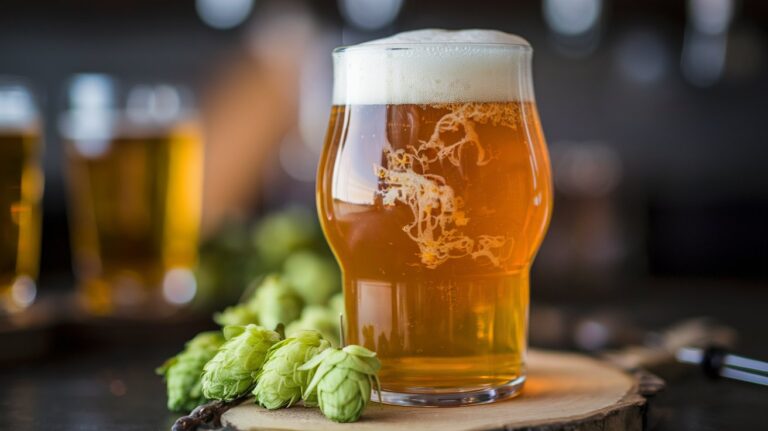
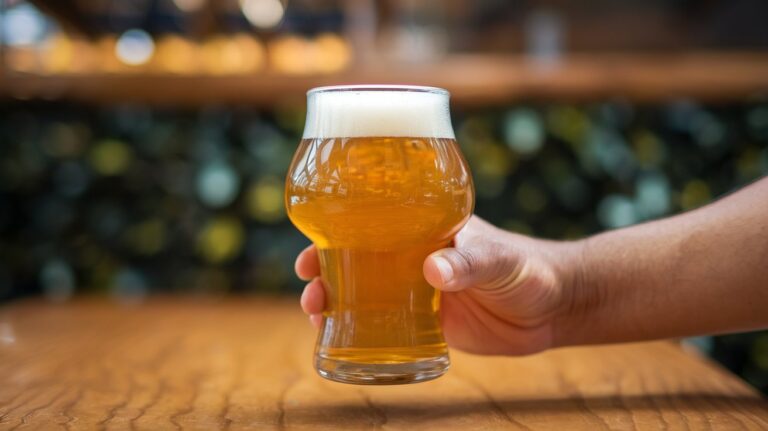
Blonde ale is a light-colored, easy-drinking beer style that originated in North America and has become increasingly popular in craft brewing circles. This beer style typically exhibits a pale golden to light amber color, ranging from 3 to 6 SRM (Standard Reference Method) on the color scale. The appearance is generally clear with good clarity, topped with a white to off-white foam head that provides excellent retention and lacing.
The flavor profile of blonde ale emphasizes balance and drinkability, featuring a clean malt backbone with subtle caramel notes. Hop character remains restrained, providing just enough bitterness to balance the malt sweetness without overwhelming the palate. Most American blonde ales register between 15-25 IBUs (International Bitterness Units), creating a harmonious drinking experience that appeals to a wide range of beer drinkers.
Brewing Process and Ingredients
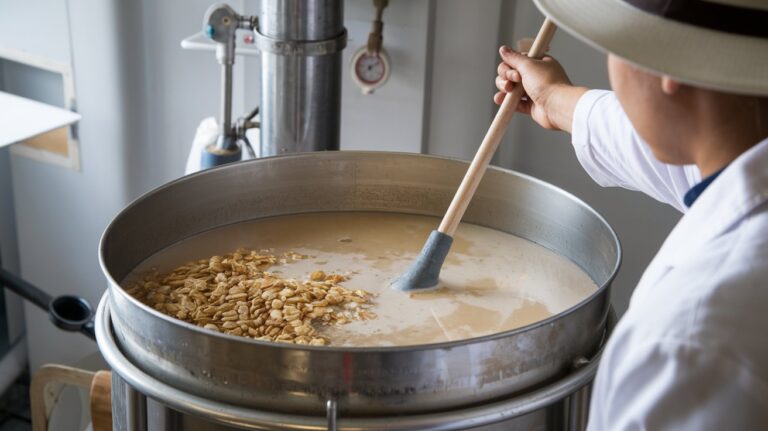
The blonde ale brewing process begins with a carefully selected grain bill that typically consists of pale malt as the base, often supplemented with small amounts of caramel or crystal malts for color and flavor complexity. American brewers frequently use 2-row pale malt, which provides the clean, neutral base that defines this style. The mash temperature usually ranges from 148-154°F, promoting a balance between fermentable and unfermentable sugars.
Hop selection for blonde ale focuses on American varieties such as Cascade, Centennial, or Willamette, which contribute floral, citrusy, or herbal characteristics without dominating the flavor profile. The hopping schedule typically emphasizes late additions or dry hopping to maximize aroma while maintaining the beer’s approachable bitterness level. Yeast selection plays a crucial role, with clean-fermenting American ale strains like Wyeast 1056 or Safale US-05 being popular choices among craft brewers.
Fermentation Temperature and Timeline
Blonde ale fermentation typically occurs at temperatures between 62-72°F, allowing the ale yeast to work efficiently while producing minimal esters and phenols. The primary fermentation usually completes within 5-7 days, followed by a conditioning period of 1-2 weeks. This controlled fermentation environment ensures the clean, crisp character that defines quality blonde ale and prevents off-flavors that could detract from the beer’s intended balance.
Quality Control and Testing
Professional blonde ale production requires rigorous quality control measures throughout the brewing process. Brewers monitor specific gravity, pH levels, and dissolved oxygen content at multiple stages to ensure consistency. The final product typically achieves a specific gravity between 1.038-1.054 OG and finishes between 1.008-1.013 FG, resulting in the characteristic light body and clean finish that blonde ale enthusiasts expect from this accessible beer style.
Taste Profile and Sensory Experience
The blonde ale taste profile delivers a remarkably balanced sensory experience that begins with a subtle malt sweetness on the palate. The initial impression typically reveals light bread or cracker-like flavors from the pale malt base, often accompanied by delicate caramel notes that add depth without heaviness. This malt foundation provides the backbone that supports the beer’s overall character while maintaining the light, refreshing quality that makes blonde ale so approachable.
The hop character in quality blonde ale presents itself through gentle floral, citrus, or herbal notes that complement rather than compete with the malt profile. The bitterness level remains low to moderate, typically finishing clean and dry, which encourages continued drinking and food pairing opportunities. The mouthfeel is generally light to medium-bodied with moderate carbonation that enhances the beer’s refreshing qualities and makes it suitable for various drinking occasions.
Popular American Blonde Ale Brands
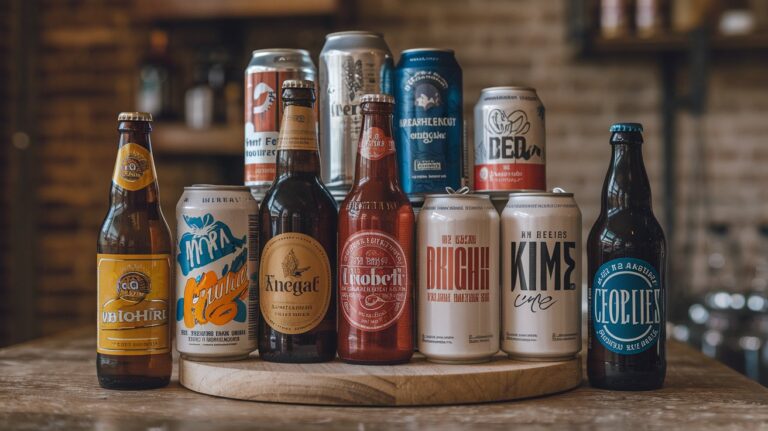
The American craft beer market features numerous outstanding blonde ale examples that showcase regional brewing expertise and innovation. Kona Brewing Company’s Big Wave Golden Ale represents one of the most successful commercial examples, combining tropical fruit notes with the classic blonde ale foundation. This Hawaii-based brewery has achieved national distribution, making their interpretation accessible to beer drinkers across the United States.
Regional craft breweries have embraced blonde ale as an entry-level offering that introduces customers to their brewing philosophy while maintaining broad appeal. New Belgium Brewing’s Snapshot Wheat showcases how brewers can incorporate wheat into the blonde ale style, while Firestone Walker’s 805 demonstrates the California interpretation with its crisp, clean character. These examples highlight the versatility within the blonde ale category and regional brewing preferences.
Craft Brewery Innovations
Modern American craft breweries continue pushing blonde ale boundaries through creative ingredient additions and brewing techniques. Some brewers experiment with fruit additions like peach or apricot, while others incorporate specialty hops for unique aroma profiles. These innovations demonstrate the blonde ale style’s flexibility while maintaining its core characteristics of balance and drinkability that define this popular beer category.
Seasonal and Limited Releases
Many breweries release seasonal blonde ale variations that incorporate ingredients reflecting different times of year. Summer versions might feature citrus zest or light spice additions, while spring releases could include floral elements or honey. These limited offerings allow brewers to showcase creativity within the blonde ale framework while giving consumers opportunities to explore flavor variations throughout the brewing calendar.
Food Pairing and Serving Suggestions
Blonde ale food pairing opportunities span an impressive range due to the beer’s balanced flavor profile and moderate alcohol content. The clean malt character and restrained hop presence make blonde ale an excellent companion for lighter fare such as grilled chicken, fish tacos, or summer salads. The beer’s subtle sweetness complements spicy cuisines including Thai, Mexican, or Indian dishes, where the malt can help cool palate heat while the carbonation cleanses between bites.
Cheese pairing with blonde ale works particularly well with mild to medium-intensity varieties such as aged cheddar, Swiss, or goat cheese. The beer’s light body won’t overwhelm delicate flavors, while its malt backbone provides enough substance to stand alongside more robust cheeses. For dessert pairings, blonde ale complements fruit-based desserts, vanilla custards, or light chocolate preparations without competing with their primary flavors.
Optimal Serving Temperature and Glassware
Proper blonde ale serving temperature significantly impacts the drinking experience and flavor perception. The ideal temperature range falls between 38-45°F, which allows the malt character to shine while maintaining the beer’s refreshing qualities. Serving too cold can mute flavor compounds, while temperatures above 50°F may emphasize alcohol warmth and reduce the clean finish that defines quality blonde ale.
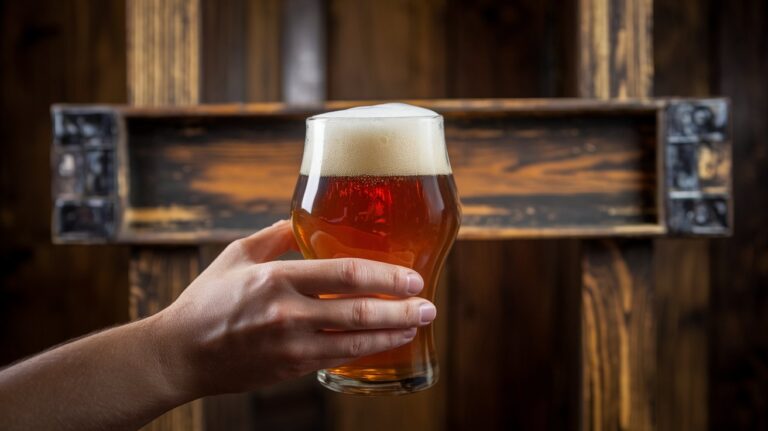
Glassware selection for blonde ale should enhance both aroma concentration and visual presentation. A standard pint glass or pilsner glass works well for most occasions, while a tulip glass can help concentrate aromas for more focused tasting sessions. The key is choosing glassware that allows proper head formation and retention while showcasing the beer’s attractive golden color that makes blonde ale visually appealing.
Storage and Freshness Guidelines
Maintaining blonde ale quality requires proper storage conditions that protect against light, heat, and oxygen exposure. Most blonde ales should be consumed within 120 days of packaging for optimal flavor, as the delicate hop character can deteriorate over time. Store bottles upright in cool, dark conditions, and purchase from retailers with good turnover to ensure freshness in this light, delicate beer style.
Draft vs. Packaged Considerations
Draft blonde ale often provides superior flavor and aroma compared to packaged versions due to reduced oxygen exposure and fresher turnover. However, modern canning technology preserves blonde ale quality effectively, making canned versions an excellent choice for outdoor activities or situations where glass isn’t practical. The key is selecting products with recent packaging dates and proper handling throughout the distribution chain.
Homebrewing Blonde Ale: Tips and Techniques
Homebrewing blonde ale offers an excellent introduction to all-grain brewing while providing opportunities for creativity and experimentation. The recipe foundation typically consists of 8-10 pounds of 2-row pale malt for a 5-gallon batch, supplemented with 0.5-1 pound of crystal malt (40-60L) for color and flavor complexity. This simple grain bill allows beginning brewers to focus on technique while producing a blonde ale that showcases fundamental brewing skills.
Hop selection for homebrewed blonde ale should emphasize aroma and flavor over bitterness, with additions typically occurring late in the boil or during dry hopping. Popular choices include 0.5-1 ounce of Cascade or Centennial hops for bittering, followed by equal amounts at flame-out for aroma. Fermentation with reliable yeast strains like Wyeast 1056 ensures predictable results while allowing the blonde ale character to develop properly over the conditioning period.
Health Considerations and Nutritional Information
Blonde ale nutritional content typically provides moderate calories and carbohydrates compared to heavier beer styles, making it a relatively lighter alcoholic beverage choice. A standard 12-ounce serving contains approximately 140-160 calories, 10-14 grams of carbohydrates, and 4.5-5.5% alcohol by volume. The lower calorie count compared to IPAs or stouts makes blonde ale appealing to health-conscious consumers who want to enjoy craft beer without excessive caloric intake.
The gluten content in traditional blonde ale comes from malted barley and wheat (if used), making it unsuitable for individuals with celiac disease or gluten sensitivity. However, some breweries now produce gluten-reduced or gluten-free blonde ale alternatives using alternative grains or enzymatic treatment processes. These options allow broader consumer access to the blonde ale style while maintaining similar flavor characteristics.
Related video about blonde ale
This video complements the article information with a practical visual demonstration.
Key Questions and Answers
What is the difference between blonde ale and pale ale?
Blonde ale is lighter in color, body, and hop character compared to pale ale. While pale ales typically have more pronounced hop bitterness (25-40 IBUs) and stronger malt backbone, blonde ales maintain restrained hop presence (15-25 IBUs) with emphasis on balance and drinkability. Blonde ales also generally have lower alcohol content and lighter body, making them more approachable for casual beer drinkers.
How long does blonde ale stay fresh after opening?
Once opened, blonde ale should be consumed within 1-2 days for optimal flavor and carbonation. The delicate hop character and light body make blonde ale particularly sensitive to oxidation and CO2 loss. Store opened bottles refrigerated and tightly sealed, though the beer quality will gradually decline even under proper storage conditions due to the style’s delicate nature.
Can I age blonde ale like other beer styles?
Blonde ale is not suitable for long-term aging and should be consumed fresh, preferably within 120 days of packaging. The light malt character and subtle hop profile don’t develop complexity over time like stronger beer styles. Extended aging will result in stale flavors, hop degradation, and loss of the clean, fresh character that defines quality blonde ale.
What foods pair best with blonde ale?
Blonde ale pairs excellently with lighter fare such as grilled chicken, seafood, salads, and mild cheeses. Its balanced character also complements spicy cuisines like Thai or Mexican food, where the malt sweetness helps cool heat while carbonation cleanses the palate. Avoid pairing with very rich or intensely flavored dishes that might overwhelm the beer’s subtle characteristics.
Is blonde ale a good choice for beer beginners?
Yes, blonde ale represents an excellent entry point into craft beer due to its approachable flavor profile, moderate alcohol content, and balanced character. The style avoids extreme flavors that might intimidate newcomers while still offering more complexity than light lagers. Many craft breweries use blonde ale as their gateway beer to introduce customers to their brand and brewing philosophy.
What temperature should I serve blonde ale?
Serve blonde ale between 38-45°F for optimal flavor and refreshment. This temperature range allows the malt character to shine while maintaining the beer’s crisp, clean finish. Serving too cold will mute flavors, while warmer temperatures may emphasize alcohol and reduce the refreshing qualities that make blonde ale appealing for various drinking occasions.
| Key Aspect | Important Details | Benefit |
|---|---|---|
| Alcohol Content | 4.5-5.5% ABV, 140-160 calories per 12oz | Moderate strength, session-friendly drinking |
| Flavor Profile | Balanced malt sweetness, subtle hop character | Appeals to wide range of beer drinkers |
| Food Pairing | Versatile with light fare and spicy cuisines | Excellent dining companion, enhances meals |
| Serving Temperature | 38-45°F in pint or pilsner glass | Optimal flavor expression and refreshment |
| Freshness Window | Best within 120 days, consume opened within 2 days | Maintains intended flavor and quality |