India Pale Ale Guide: IPA Styles, Flavors & Best Brands 2025
India Pale Ale, commonly known as IPA, represents one of the most popular and distinctive beer styles in the United States craft brewing scene. This hoppy beer style originated in 18th-century England but has been revolutionized by American brewers who transformed it into a bold, aromatic experience characterized by intense hop flavors and higher alcohol content than traditional ales.
What is India Pale Ale (IPA)?
India Pale Ale is a hoppy beer style that emerged during British colonial times when brewers needed to create beer that could survive long sea voyages to India. The high hop content and alcohol levels acted as natural preservatives. Modern American IPAs typically contain 5.5-7.5% alcohol by volume and feature prominent hop bitterness, ranging from 40-100 International Bitterness Units (IBUs).
The defining characteristics of India Pale Ale include a golden to amber color, floral or citrusy hop aromas, and a malt backbone that balances the hop intensity. American craft brewers have embraced this style, making it the most popular craft beer category in the United States, representing approximately 25% of all craft beer sales in 2024.
IPA Beer Styles and Varieties
The IPA category has evolved into numerous sub-styles, each offering unique flavor profiles and brewing techniques. Understanding these variations helps beer enthusiasts appreciate the diversity within the India Pale Ale family.
American IPA
The American IPA style revolutionized the traditional English recipe by incorporating bold American hop varieties like Cascade, Centennial, and Chinook. These hops contribute intense citrus, pine, and tropical fruit flavors that define the modern IPA experience. American IPAs typically range from 40-70 IBUs and 5.5-7.5% ABV, making them more approachable than their extreme counterparts.
New England IPA (Hazy IPA)
The New England IPA, also called Hazy IPA or NEIPA, emerged in the 2010s and has become incredibly popular among craft beer drinkers. This style features a cloudy appearance, juicy hop character, and lower perceived bitterness despite high hop usage. The hazy appearance comes from suspended proteins and hop particles, creating a smooth, tropical fruit-forward drinking experience.
Double IPA (Imperial IPA)
Double IPA or Imperial IPA pushes the boundaries of hop intensity and alcohol content, typically ranging from 7.5-10% ABV and 60-100+ IBUs. These powerful beers showcase extreme hop flavors while maintaining malt balance to support the higher alcohol content. Popular among hop enthusiasts seeking maximum flavor intensity.
Session IPA
Session IPA offers full hop flavor in a lower alcohol package, typically 3.5-5% ABV, making it suitable for extended drinking sessions. Brewers achieve hop prominence through late hopping techniques and hop-forward yeast strains while keeping the malt bill light to maintain drinkability.
IPA Brewing Process and Ingredients
The brewing process for India Pale Ale requires careful attention to hop timing, malt selection, and fermentation temperature to achieve the desired flavor profile. Modern IPA brewing emphasizes hop additions during multiple stages of production.
Hop Varieties and Timing
Hop selection defines the character of any IPA, with American varieties like Citra, Mosaic, and Simcoe providing tropical and citrus flavors. Brewers typically add hops at multiple stages: bittering hops during the boil, flavor hops in the final 15 minutes, aroma hops at flameout, and dry hops during fermentation. This layered approach creates the complex hop profile that IPA lovers expect.
Malt Foundation
The malt backbone in IPAs typically consists of pale malts like Pilsner or 2-row barley, providing fermentable sugars without overwhelming hop flavors. Some brewers add small amounts of crystal or caramel malts for color and subtle sweetness that balances hop bitterness. The grain bill usually represents 85-90% base malt to maintain the clean, crisp finish characteristic of quality IPAs.
Top American IPA Breweries and Brands
The United States hosts numerous exceptional IPA breweries that have shaped the modern craft beer landscape. These breweries consistently produce award-winning India Pale Ales that set industry standards.
West Coast IPA Leaders
West Coast breweries pioneered the American IPA style with companies like Stone Brewing, Russian River, and Ballast Point leading the movement. Stone IPA remains one of the most widely distributed craft IPAs in America, while Russian River’s Pliny the Elder is considered a benchmark for Double IPAs. These breweries emphasize clean, bitter hop character with minimal malt sweetness.
East Coast Innovators
East Coast breweries like Dogfish Head, Bell’s, and The Alchemist have contributed unique approaches to IPA brewing. Bell’s Two Hearted Ale consistently ranks among America’s top IPAs, while The Alchemist’s Heady Topper helped popularize the Vermont-style Hazy IPA movement that has transformed the category.
IPA Flavor Profile and Tasting Notes
Understanding the flavor components of India Pale Ale enhances appreciation for this complex beer style. IPAs offer a wide spectrum of tastes, from citrusy and floral to tropical and resinous, depending on hop varieties and brewing techniques used.
The aroma profile typically presents intense hop fragrances that can include grapefruit, orange, pine, tropical fruits, and sometimes herbal or spicy notes. The taste follows with initial hop bitterness balanced by malt sweetness, leading to a dry, crisp finish that encourages another sip. Quality IPAs maintain harmony between all flavor elements rather than overwhelming the palate with excessive bitterness.
Food Pairing with IPA Beer
Food pairing with India Pale Ale opens numerous culinary possibilities due to the beer’s bold hop character and moderate alcohol content. The bitterness and carbonation in IPAs cleanse the palate and complement rich, fatty foods while the hop aromatics enhance spicy dishes.
Ideal pairing combinations include spicy Indian or Mexican cuisine, where the hop bitterness balances heat while the malt sweetness provides relief. Sharp cheeses like aged cheddar or blue cheese work excellently with hoppy IPAs, as do grilled meats where the char flavors complement the hop resins. For dessert pairings, fruit-based desserts or dark chocolate can highlight the beer’s hop fruit characteristics.
IPA Market Trends and Statistics 2024-2025
The IPA market continues dominating the American craft beer segment, with recent data showing IPAs account for approximately 25% of all craft beer dollar sales in 2024. The category has grown 8% year-over-year, with Hazy IPAs representing the fastest-growing sub-segment at 15% annual growth.
Consumer preferences are shifting toward lower-ABV options and fruit-forward hop varieties, driving innovation in Session IPAs and Hazy styles. The average price point for premium IPAs has increased to $12-16 per six-pack, reflecting consumers’ willingness to pay for quality hop-forward beers. Regional variations show West Coast consumers prefer traditional bitter IPAs, while East Coast markets favor juicier, hazy styles.
Storing and Serving IPA Properly
Proper storage techniques are crucial for maintaining IPA quality, as hop compounds deteriorate rapidly when exposed to light, heat, and oxygen. Store IPAs in refrigerated conditions below 38°F and consume within 90 days of packaging for optimal flavor retention. Never store IPAs in direct sunlight or warm environments, as this causes hop degradation and off-flavors.
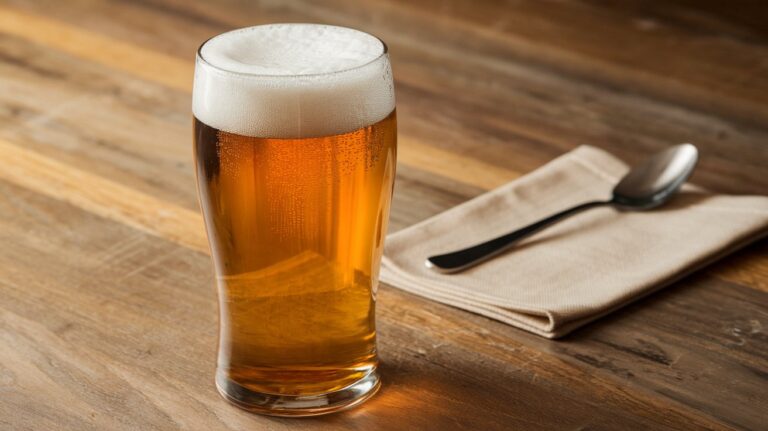
Serving temperature significantly impacts IPA enjoyment, with the ideal range being 45-50°F to showcase hop aromatics while maintaining refreshing qualities. Use clean glassware, preferably tulip or pint glasses that concentrate hop aromas. Pour with moderate vigor to create a finger-width head that releases hop oils and enhances the drinking experience.
Related video about india pale ale
This video complements the article information with a practical visual demonstration.
Your questions answered
What does IPA stand for in beer?
IPA stands for India Pale Ale, a hoppy beer style that originated in 18th-century England. The name comes from its historical association with British colonial trade to India, where the high hop content and alcohol levels helped preserve the beer during long sea voyages.
What makes IPA different from regular beer?
IPAs differ from regular beers through higher hop content, increased bitterness (40-100+ IBUs), stronger alcohol levels (5.5-10% ABV), and prominent hop aromatics. They feature more complex flavor profiles with citrus, pine, tropical fruit, or floral notes compared to lighter lagers or ales.
How long does IPA beer last?
Fresh IPA typically maintains peak quality for 90-120 days when stored properly in refrigerated conditions. Hop flavors begin degrading after this period, though the beer remains safe to drink. Always check packaging dates and consume IPAs as fresh as possible for optimal flavor experience.
What foods pair best with IPA beer?
IPAs pair excellently with spicy foods like Indian curry, Mexican dishes, and Thai cuisine. The hop bitterness complements rich, fatty foods such as grilled meats, sharp cheeses, and fried foods. For desserts, try fruit-based treats or dark chocolate to highlight hop fruit characteristics.
Are there low-alcohol IPA options?
Yes, Session IPAs offer full hop flavor with reduced alcohol content, typically 3.5-5% ABV. These beers use specialized brewing techniques like late hopping and hop-forward yeast strains to maintain IPA character while keeping alcohol levels low for extended drinking sessions.
What’s the difference between Hazy IPA and regular IPA?
Hazy IPAs feature a cloudy appearance, juicy hop character, and smoother mouthfeel compared to clear IPAs. They emphasize tropical fruit flavors over bitterness, use wheat or oats for texture, and employ different hopping techniques that create the characteristic haze and softer drinking experience.
| IPA Style | ABV Range | Key Characteristics |
|---|---|---|
| American IPA | 5.5-7.5% | Citrusy hops, balanced bitterness |
| Hazy IPA | 6-7% | Cloudy, juicy, tropical flavors |
| Double IPA | 7.5-10% | High alcohol, intense hop character |
| Session IPA | 3.5-5% | Lower alcohol, full hop flavor |