Best Beers to Drink in 2025: Top Craft & Classic Picks
Finding the best beers to drink has never been more exciting, with over 9,000 craft breweries across America producing exceptional brews in 2025. Whether you’re seeking hoppy IPAs, smooth lagers, or rich stouts, the perfect beer awaits your discovery. This comprehensive guide reveals the top-rated beers across all styles, helping you navigate the vast landscape of American brewing excellence.
Top Craft Beer Styles Worth Drinking in 2025
The American craft beer scene continues to evolve with best beers to drink representing diverse styles that showcase brewing innovation. In 2025, craft breweries produce over 40 distinct beer styles, with IPAs accounting for 25% of craft beer sales nationwide. These styles range from traditional European-inspired lagers to uniquely American innovations like New England IPAs and barrel-aged stouts.
Modern brewing techniques have elevated classic styles while creating entirely new categories. Craft beer enthusiasts now enjoy everything from hazy IPAs with tropical fruit notes to sour beers aged in wine barrels. The diversity ensures every palate finds satisfaction among America’s premium beer offerings.
India Pale Ales (IPAs) Leading the Pack
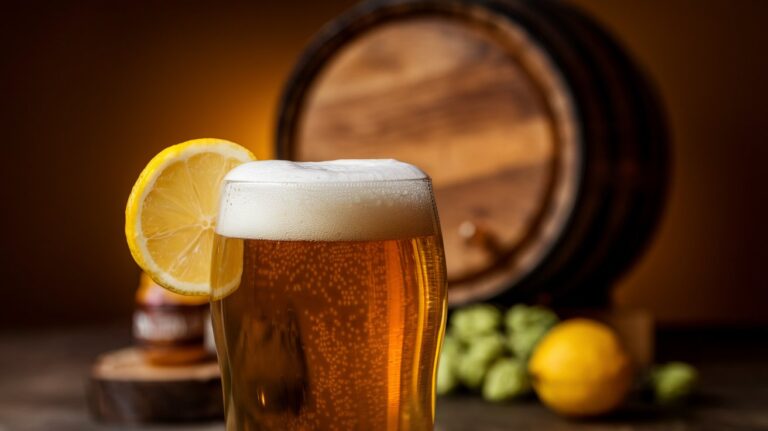
IPAs remain the most popular craft beer style, with best IPA beers featuring bold hop flavors and aromatic profiles. New England IPAs dominate with their hazy appearance and juicy tropical notes, while West Coast IPAs maintain their crisp, piney character. Top breweries like Russian River, Stone, and Tree House consistently produce award-winning IPAs that define excellence in this category.
Stouts and Porters for Rich Flavor Profiles
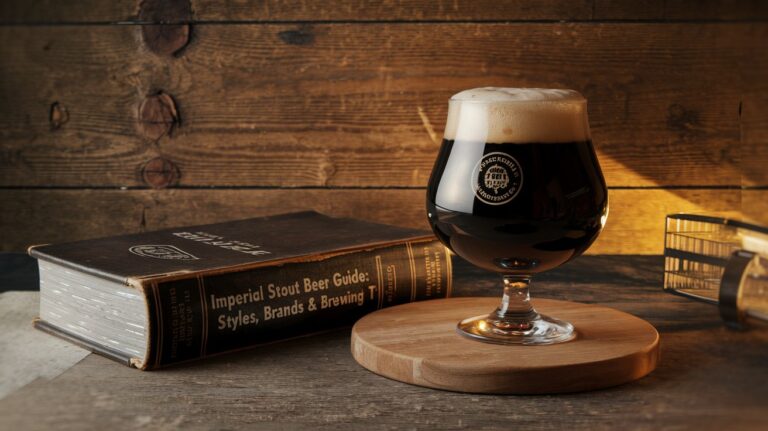
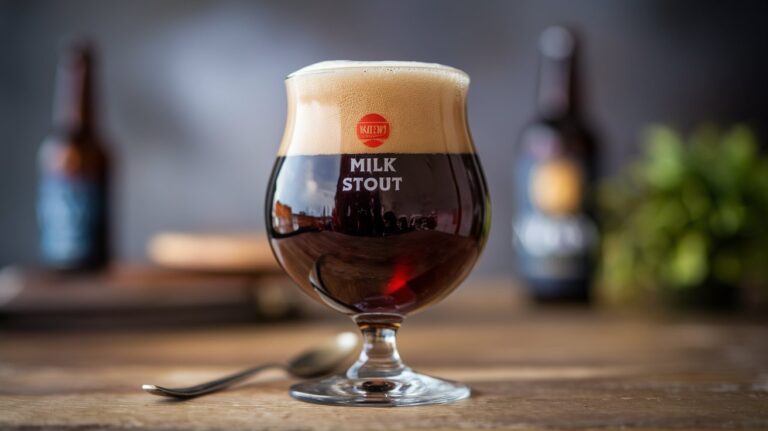
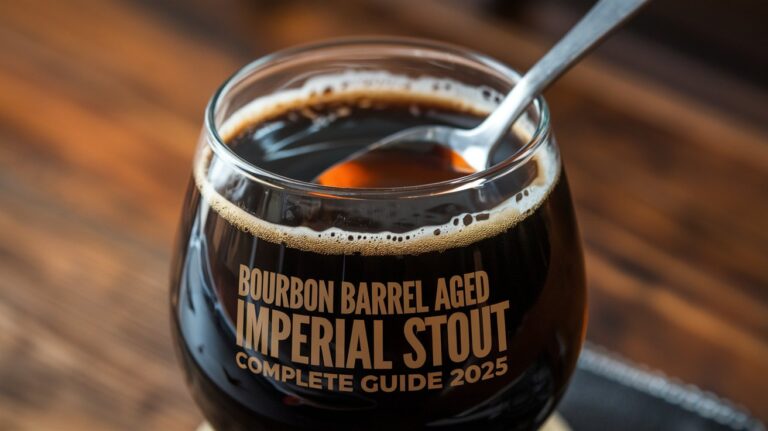
Dark beer lovers find exceptional options in premium stouts and porters that offer complex flavor profiles ranging from coffee and chocolate to vanilla and caramel. Imperial stouts aged in bourbon barrels have become particularly sought-after, with breweries like Founders, Bell’s, and Samuel Smith creating legendary examples. These beers pair perfectly with desserts and cold weather enjoyment.
Best Classic American Lagers and Light Beers
Traditional American lagers represent the foundation of beer culture, with best classic beers offering clean, crisp flavors perfect for everyday enjoyment. Major breweries have refined their recipes over decades, creating consistent quality that appeals to millions of Americans. These beers account for approximately 65% of total beer consumption in the United States.
Premium lagers from Budweiser, Miller, and Coors continue evolving with improved ingredients and brewing processes. Light beer options now include organic varieties and reduced-calorie formulations without sacrificing taste. These accessible options serve as excellent entry points for new beer drinkers while satisfying longtime enthusiasts.
Regional Specialties and Local Brewery Gems
America’s regional brewing culture produces best local beers that reflect geographic characteristics and local ingredients. Pacific Northwest breweries excel at hop-forward styles, while Southern breweries create exceptional wheat beers and fruit-infused varieties. Each region contributes unique flavors to the national beer landscape.
Local breweries often experiment with indigenous ingredients, creating distinctive regional beers unavailable elsewhere. Vermont’s hill farmhouse ales, Texas’s desert-inspired saisons, and California’s wine barrel-aged varieties showcase regional innovation. Supporting local breweries strengthens communities while providing access to exclusive, small-batch creations.
West Coast Brewing Excellence
California leads American brewing innovation with West Coast craft breweries producing world-renowned IPAs, barrel-aged varieties, and experimental styles. Breweries like Sierra Nevada, Stone Brewing, and Russian River Brewing Company set industry standards for quality and creativity. The region’s hop-growing climate contributes to exceptional IPA production.
East Coast Traditional and Modern Fusion
East Coast breweries blend traditional European techniques with American innovation, creating distinctive East Coast beers that honor brewing heritage while embracing modern flavors. Vermont’s The Alchemist and Maine’s Allagash Brewing Company exemplify this approach, producing both classic styles and groundbreaking new varieties that influence national trends.
Seasonal Beer Recommendations by Time of Year
Seasonal brewing creates best seasonal beers that complement weather patterns and holiday celebrations throughout the year. Spring wheat beers, summer lagers, autumn pumpkin ales, and winter stouts provide perfect matches for seasonal activities and flavors. Understanding seasonal beer timing enhances appreciation and enjoyment.
Breweries release limited seasonal varieties that create anticipation and excitement among beer enthusiasts. Holiday beer releases often feature special ingredients like cinnamon, vanilla, and aged hops that create memorable drinking experiences. Planning beer purchases around seasonal releases ensures access to these special offerings.
Spring and Summer Light Refreshers
Warm weather calls for refreshing summer beers with light bodies, crisp finishes, and moderate alcohol content. Pilsners, wheat beers, and fruit-infused varieties provide perfect refreshment during outdoor activities. These beers typically feature bright, clean flavors that complement barbecues, beach days, and sporting events.
Fall and Winter Rich Warming Brews
Cooler months demand hearty winter beers with rich flavors, higher alcohol content, and warming spices. Imperial stouts, barleywines, and spiced ales provide comfort during cold weather while pairing excellently with holiday meals. These complex beers often improve with aging, making them excellent collectibles.
Beer and Food Pairing Guidelines for Maximum Enjoyment
Proper food pairing elevates both beer and cuisine, with best beer pairings enhancing flavors through complementary or contrasting taste profiles. Understanding basic pairing principles helps create memorable dining experiences while showcasing beer’s versatility as a culinary beverage. Successful pairings consider flavor intensity, texture, and regional traditions.
Professional sommeliers recommend matching beer weight with food weight, while considering how hop bitterness, malt sweetness, and alcohol content interact with various ingredients. Beer pairing expertise develops through experimentation and understanding how different styles complement specific cuisines and cooking methods.
How to Choose Quality Beer: What to Look For
Identifying high-quality beer requires understanding key indicators including freshness dates, proper storage conditions, and brewery reputation. Fresh beer tastes significantly better than aged varieties, except for specific styles designed for aging. Reading packaging dates and understanding storage requirements ensures optimal beer experiences.
Quality breweries maintain consistent standards through rigorous quality control, premium ingredients, and proper brewing techniques. Beer quality indicators include clear appearance (unless intentionally hazy), appropriate carbonation levels, and balanced flavor profiles without off-flavors. Learning these indicators helps consumers make informed purchasing decisions.
Reading Labels and Understanding ABV
Beer labels provide crucial information including alcohol by volume (ABV), brewing date, and style classification. Understanding beer labels helps consumers select appropriate beers for different occasions and personal preferences. ABV typically ranges from 3% for light beers to over 12% for strong ales and imperial styles.
Proper Storage and Serving Temperatures
Correct storage preserves beer quality while proper serving temperatures enhance flavor expression. Beer storage best practices include refrigeration, protection from light, and upright positioning for most styles. Serving temperatures range from 38-40°F for light lagers to 50-55°F for strong ales and stouts.
Related video about best beers to drink
This video complements the article information with a practical visual demonstration.
Questions & Answers
What are the most popular beer styles in America for 2025?
The most popular beer styles include India Pale Ales (IPAs) leading at 25% of craft beer sales, followed by light lagers, wheat beers, stouts, and sour beers. New England IPAs and hazy varieties continue gaining popularity, while classic American lagers maintain strong consumer loyalty across all demographics.
How do I choose the best beer for beginners?
Beginners should start with lighter styles like wheat beers, pilsners, or blonde ales that offer mild flavors and smooth finishes. Avoid highly hoppy IPAs or strong stouts initially. Popular beginner-friendly options include Blue Moon, Stella Artois, and local brewery wheat beers that provide approachable flavor profiles.
What’s the difference between craft beer and regular beer?
Craft beer comes from small, independent breweries producing less than 6 million barrels annually, focusing on quality, flavor, and traditional brewing techniques. Regular beer typically refers to mass-produced lagers from major breweries, emphasizing consistency and broad appeal over unique flavors and brewing innovation.
How long do different beer styles stay fresh?
Most beers taste best within 3-6 months of production, with IPAs requiring consumption within 60-90 days for optimal hop flavor. Light lagers maintain quality for 6-9 months when properly stored, while strong stouts and barleywines can age gracefully for years when stored in cool, dark conditions.
What foods pair best with different beer styles?
IPAs pair excellently with spicy foods and strong cheeses, while light lagers complement seafood and salads. Stouts match perfectly with chocolate desserts and grilled meats, and wheat beers enhance light appetizers and fruit-based dishes. Match beer intensity with food intensity for optimal pairing results.
Are expensive craft beers worth the higher price?
Premium craft beers often justify higher prices through superior ingredients, complex brewing processes, and unique flavors unavailable in mass-market options. However, many excellent craft beers exist at moderate prices. Quality doesn’t always correlate with price, so exploration and personal preference determine value for individual consumers.
| Beer Category | Top Characteristics | Best Occasions |
|---|---|---|
| Craft IPAs | Hoppy, aromatic, 5-8% ABV | Dinner parties, craft beer tastings |
| Classic Lagers | Crisp, clean, 4-5% ABV | Outdoor activities, casual drinking |
| Seasonal Stouts | Rich, complex, 6-12% ABV | Cold weather, dessert pairing |
| Wheat Beers | Light, smooth, 4-6% ABV | Summer events, beginner friendly |