Best Red Ale Beer Brands: Top US Craft & Commercial Picks
Red ale beer brands have become increasingly popular among American craft beer enthusiasts and casual drinkers alike. These malty, copper-colored beers offer a perfect balance of sweetness and hop character, making them an ideal gateway between lighter lagers and heavier stouts. Whether you’re seeking craft brewery innovations or reliable commercial options, understanding the diverse landscape of red ale beer brands helps you discover your next favorite brew.
What Makes Red Ale Beer Unique
Red ale beers distinguish themselves through their distinctive copper to amber coloration, which comes from specialized caramel and crystal malts used during the brewing process. These malts contribute not only to the beer’s visual appeal but also to its characteristic sweetness and body. Most red ale beer brands maintain an alcohol by volume (ABV) range between 4.5% and 6.5%, making them sessionable yet flavorful options for various occasions.
The flavor profile of red ales typically features toasted malt sweetness balanced by moderate hop bitterness, creating a harmonious drinking experience. Unlike IPAs, which emphasize hop character, or stouts, which focus on roasted flavors, red ales achieve their appeal through malt-forward complexity. This balance makes red ale beer brands particularly appealing to drinkers transitioning from mainstream lagers to more complex craft beer styles.
Top Craft Red Ale Beer Brands
The craft beer revolution has produced numerous exceptional red ale beer brands that showcase innovative brewing techniques and regional ingredients. Samuel Adams Boston Ale remains one of the most recognizable names, having helped pioneer the American craft beer movement since 1984. This flagship offering combines British ale tradition with American hop varieties, creating a well-balanced red ale that appeals to both newcomers and experienced beer drinkers.
Regional Craft Brewery Standouts
Fat Tire Amber Ale from New Belgium Brewing has become synonymous with quality red ale beer brands across the United States. Originally brewed in Fort Collins, Colorado, this beer features a slightly sweet malt backbone with subtle hop bitterness, making it one of the most approachable entries in the red ale category. The brewery’s commitment to sustainability and quality has helped Fat Tire maintain its position as a leading craft red ale since the 1990s.
Award-Winning Craft Options
Bell’s Amber Ale from Michigan’s Bell’s Brewery represents the pinnacle of American red ale beer brands with its complex malt profile and clean finish. This beer showcases how craft brewers can elevate traditional styles through careful ingredient selection and precise brewing techniques. Similarly, Deschutes Red Chair NWPA combines the malt character of red ales with increased hop presence, creating a unique hybrid style that appeals to hop lovers while maintaining red ale characteristics.
Commercial Red Ale Beer Brands
While craft breweries often receive the most attention, several commercial red ale beer brands have maintained quality and consistency across decades of production. These larger-scale operations offer accessibility and reliability that make red ales available to consumers nationwide. Commercial red ales often serve as introduction points for drinkers exploring beyond mainstream lagers and light beers.
Established Commercial Leaders
Yuengling Traditional Lager, while technically an amber lager, shares many characteristics with red ale beer brands and serves as America’s oldest operating brewery’s flagship offering. Founded in 1829, Yuengling has perfected a recipe that balances malt sweetness with crisp drinkability. The brewery’s regional distribution across the Eastern United States has made it a beloved commercial red ale alternative for millions of consumers.
National Distribution Success Stories
Killian’s Irish Red, distributed by Molson Coors, represents one of the most widely available red ale beer brands in American supermarkets and restaurants. Despite being brewed domestically, this beer maintains the traditional Irish red ale profile with its smooth malt character and subtle hop presence. The brand’s consistent quality and national availability make it a reliable choice for consumers seeking red ale flavors without craft beer pricing.
Regional Red Ale Specialties
Different regions across the United States have developed distinct approaches to brewing red ale beer brands, reflecting local ingredients, water profiles, and cultural preferences. These regional variations demonstrate how traditional beer styles can evolve while maintaining their core characteristics. Understanding regional differences helps consumers discover unique red ale expressions that might not be available outside specific geographic areas.
West Coast Innovations
California and Pacific Northwest breweries have created hop-forward red ale beer brands that incorporate the region’s abundant hop varieties while maintaining malt balance. Anderson Valley Boont Amber Ale exemplifies this approach, using local ingredients to create a distinctly West Coast interpretation of the red ale style. These breweries often experiment with seasonal hop additions and limited releases that showcase how traditional styles can incorporate modern brewing techniques.
East Coast Traditional Approaches
Eastern United States breweries tend to emphasize malt-forward red ale beer brands that honor European brewing traditions while incorporating American ingredients. Brooklyn Brewery’s East India Pale Ale, while technically an IPA, shares many characteristics with red ales through its amber coloration and balanced hop profile. These traditional-style red ales often feature British yeast strains and classic hop varieties that create familiar yet sophisticated flavor profiles.
Food Pairing with Red Ale Beer Brands
The balanced flavor profile of red ale beer brands makes them exceptionally versatile for food pairing opportunities. Their moderate sweetness and hop character complement both lighter fare and heartier dishes without overwhelming delicate flavors or getting lost alongside bold preparations. Understanding proper pairing principles helps maximize enjoyment of both the beer and food components.
Grilled meats, particularly burgers and barbecue, pair excellently with malty red ale beer brands because the caramel malts complement charred flavors while the hop bitterness cuts through rich fats. Cheese selections benefit from red ale’s complexity, with aged cheddars and gouda creating particularly harmonious combinations. The beer’s moderate alcohol content ensures it won’t overpower subtle flavor combinations while providing enough body to stand up to robust preparations.
Brewing Techniques Behind Red Ale Success
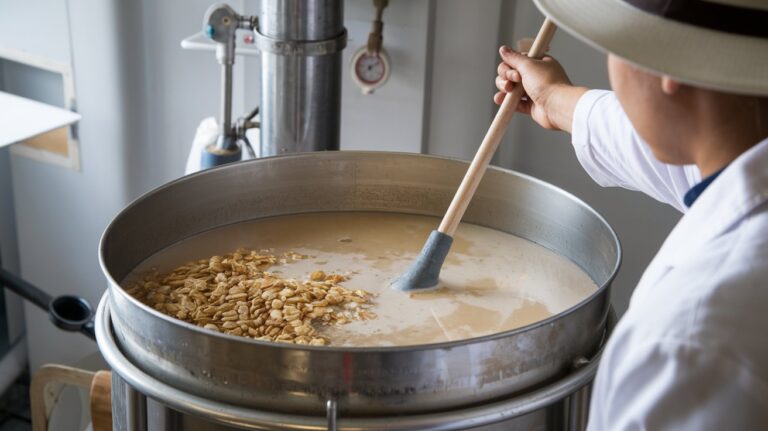
Understanding the brewing processes used by top red ale beer brands provides insight into why certain examples achieve superior quality and consistency. The selection and treatment of specialty malts plays a crucial role in developing the characteristic color and flavor that defines the style. Crystal malts, typically used in concentrations between 8-15% of the total grain bill, contribute both sweetness and the distinctive copper coloration that gives red ales their name.
Hop selection and timing also significantly impact the final product quality among premium red ale beer brands. Most brewers employ a combination of bittering hops added early in the boil and flavor/aroma hops added later to achieve the desired balance. American hop varieties like Cascade and Centennial provide citrusy notes that complement malt sweetness, while English varieties like East Kent Goldings contribute more traditional earthy characteristics favored by some producers.
Market Trends and Consumer Preferences 2024-2025
The American beer market has shown increased interest in accessible craft beer styles, with red ale beer brands benefiting from this trend. According to 2024 Brewers Association data, amber and red ales represent approximately 6.2% of craft beer production, indicating steady demand for these balanced offerings. Consumer preferences continue shifting toward beers that offer complexity without extreme characteristics, positioning red ale beer brands favorably in the current market landscape.
Seasonal and limited-release versions of traditional red ales have gained popularity among craft beer enthusiasts, with many innovative red ale beer brands experimenting with barrel aging, fruit additions, and spice integrations. These variations maintain the core red ale character while offering unique experiences that encourage repeat purchases and brand loyalty. The trend toward sessionable craft beers has also benefited red ales, as their moderate alcohol content aligns with consumer desires for flavorful yet responsible drinking options.
Related video about red ale beer brands
This video complements the article information with a practical visual demonstration.
What you should know
What are the most popular red ale beer brands in the United States?
The most popular red ale beer brands in the US include Samuel Adams Boston Ale, Fat Tire Amber Ale from New Belgium, Bell’s Amber Ale, and Killian’s Irish Red. These brands combine accessibility with quality, offering both craft and commercial options that showcase the balanced malt-hop character typical of red ales.
What’s the difference between red ale and amber ale beer brands?
Red ale and amber ale beer brands are often used interchangeably, though red ales typically have slightly deeper copper coloration and may emphasize malt sweetness more than amber ales. Both styles share similar ABV ranges (4.5-6.5%) and balanced flavor profiles, with the distinction often being more marketing-based than brewing technique differences.
Which red ale beer brands are best for beginners?
For beginners, Fat Tire Amber Ale and Samuel Adams Boston Ale are excellent starting points among red ale beer brands. These options offer approachable flavor profiles with balanced sweetness and moderate hop character, making them ideal transitions from lighter beers while introducing craft beer complexity.
How should I store red ale beer brands for optimal freshness?
Store red ale beer brands in a cool, dark place at temperatures between 35-40°F, ideally in a refrigerator. Keep bottles upright to minimize oxidation and consume within 3-6 months of packaging date for optimal flavor. Avoid temperature fluctuations and direct sunlight which can negatively impact malt character and overall beer quality.
Are there gluten-free red ale beer brands available?
Yes, several breweries produce gluten-free red ale beer brands using alternative grains like sorghum, rice, or gluten-removed processes. Notable options include Redbridge by Anheuser-Busch and various craft brewery offerings. However, selection may be limited compared to traditional red ales, and flavors may differ slightly from wheat-based versions.
What foods pair best with red ale beer brands?
Red ale beer brands pair excellently with grilled meats, burgers, barbecue, aged cheeses, and roasted vegetables. Their balanced malt sweetness and moderate hop bitterness complement both rich and delicate flavors. Popular combinations include cheddar cheese, bacon dishes, caramelized onions, and chocolate desserts for optimal flavor harmony.
| Beer Category | Top Brand Examples | Key Benefits |
|---|---|---|
| Craft Red Ales | Samuel Adams Boston Ale, Fat Tire, Bell’s Amber | Complex flavors, quality ingredients, innovation |
| Commercial Red Ales | Killian’s Irish Red, Yuengling Traditional | Wide availability, consistent quality, affordability |
| Regional Specialties | Anderson Valley Boont, Brooklyn East India | Unique character, local ingredients, limited availability |