Best Breweries in the US: Top 50 Craft Beer Destinations 2025
The United States has become the global epicenter of craft brewing innovation, with over 9,500 breweries operating nationwide as of 2024. From historic establishments that pioneered American beer culture to cutting-edge microbreweries pushing flavor boundaries, the best breweries in the US offer exceptional experiences for every beer enthusiast.
Top Craft Breweries on the West Coast
The West Coast remains the undisputed leader in craft brewery innovation, home to legendary establishments that shaped American beer culture. California alone houses over 1,100 breweries, while Oregon and Washington contribute significantly to the region’s brewing excellence. These breweries consistently rank among the best breweries in the US for their hop-forward styles and experimental approaches.
From San Diego’s hop paradise to Portland’s beer mecca, West Coast breweries continue setting industry standards. The region’s favorable climate, access to premium ingredients, and pioneering spirit have created an environment where award-winning craft beer thrives year-round.
California’s Premier Brewing Destinations
California dominates the national brewing scene with iconic establishments like Russian River Brewing Company, known for their legendary Pliny the Elder IPA. Stone Brewing continues revolutionizing West Coast IPA styles, while Firestone Walker Brewing Company consistently produces award-winning lagers and ales. Sierra Nevada Brewing Company, founded in 1980, remains a cornerstone of American craft beer heritage, inspiring countless brewers nationwide with their sustainable practices and consistent quality.
Pacific Northwest Brewing Excellence
Oregon and Washington state breweries have earned international recognition for their innovative brewing techniques and hop cultivation. Deschutes Brewery leads with their Fresh Squeezed IPA and Black Butte Porter, while Cascade Brewing pioneered the American sour beer movement. Great Notion Brewing pushes boundaries with fruit-forward IPAs, and Fremont Brewing consistently produces exceptional seasonal releases that sell out within hours of release.
East Coast Craft Beer Powerhouses
The East Coast brewery scene has exploded over the past decade, with New England IPA styles revolutionizing hop expression through hazy, juicy profiles. Vermont, Maine, and Massachusetts lead this movement, producing some of the most sought-after beers in America. These breweries have redefined what constitutes the best breweries in the US through their focus on fresh, local ingredients and innovative fermentation techniques.
From historic breweries with centuries of tradition to modern operations utilizing cutting-edge technology, East Coast breweries offer diverse experiences. The region’s emphasis on farmhouse ales, barrel-aged stouts, and experimental sours has created a distinctive brewing identity that attracts beer tourists from around the globe.
Vermont’s Legendary Craft Beer Scene
Vermont punches above its weight in craft brewing excellence, with Hill Farmstead Brewery consistently ranking as one of the world’s best. The Alchemist revolutionized Northeast IPA styles with their iconic Heady Topper, while Lawson’s Finest Liquids produces limited releases that create nationwide buzz. These breweries exemplify Vermont’s commitment to quality over quantity, often limiting distribution to maintain freshness and exclusivity.
Mid-Atlantic Brewing Innovation
Pennsylvania, New York, and New Jersey breweries combine traditional brewing methods with modern innovation. Tired Hands Brewing Company leads Pennsylvania’s craft scene with their experimental farmhouse ales, while Other Half Brewing has become synonymous with New York’s hazy IPA movement. Carton Brewing in New Jersey consistently produces creative seasonal offerings that showcase the region’s brewing diversity and commitment to local ingredient sourcing.
Midwest and Southern Brewing Gems
The Midwest and South have emerged as significant players in America’s craft brewing landscape, with traditional German and Belgian styles finding new expression through local ingredients and techniques. These regions excel in producing exceptional lagers, wheat beers, and barrel-aged specialties that rival coastal counterparts. The best breweries in the US increasingly include establishments from these regions, recognized for their consistency and innovation.
Chicago, Nashville, and Atlanta have become major brewing hubs, while smaller cities across the Midwest and South host breweries that serve their communities with locally-inspired craft beer. These breweries often emphasize sustainability, community engagement, and traditional brewing methods adapted for modern palates.
Great Lakes Brewing Excellence
The Great Lakes region benefits from exceptional water quality and agricultural resources, producing outstanding German-style lagers and wheat beers. Founders Brewing Company in Michigan leads with their KBS (Kentucky Breakfast Stout) and All Day IPA, while New Glarus Brewing in Wisconsin creates highly sought-after fruit beers and traditional German styles. These breweries showcase how regional ingredients and traditional techniques can create distinctly American beer experiences.
Southern Craft Beer Renaissance
The South’s brewing renaissance features breweries embracing local ingredients like peaches, pecans, and bourbon barrels. Highland Brewing Company in North Carolina pioneered Southern craft brewing, while Cigar City Brewing in Florida gained national recognition for their tropical ingredient integration. Tennessee’s Yazoo Brewing Company and Georgia’s Creature Comforts Brewing consistently produce award-winning ales that reflect Southern hospitality and innovation in craft beer production.
Award-Winning Specialty Beer Styles
The best breweries in the US are distinguished by their mastery of specific beer styles and their ability to innovate within traditional frameworks. Imperial stouts, double IPAs, and barrel-aged specialties represent the pinnacle of American craft brewing achievement. These breweries invest heavily in quality ingredients, extended aging processes, and experimental techniques that push flavor boundaries while maintaining balance and drinkability.
Seasonal releases and limited editions from top breweries often sell out immediately, creating secondary markets where rare bottles command premium prices. This phenomenon demonstrates the exceptional quality and innovation that defines American craft brewing excellence in 2024 and beyond.
Imperial Stouts and Barrel-Aged Masterpieces
Goose Island’s Bourbon County Stout series continues setting the standard for barrel-aged beer excellence, while The Bruery in California produces complex anniversary ales that improve with age. Three Floyds Brewing creates highly coveted Dark Lord Imperial Stout, and Toppling Goliath’s Kentucky Brunch Brand Stout regularly ranks among America’s most sought-after beers. These breweries demonstrate how patience and premium ingredients create transcendent beer experiences.
IPA Innovation and Hop Mastery
American IPA evolution continues through breweries like Trillium, Tree House, and Monkish Brewing, which perfect hazy IPA techniques while maintaining hop character and balance. Russian River’s Pliny the Younger remains the gold standard for Triple IPAs, while newer breweries like Bissell Brothers and Foam Brewers push New England IPA boundaries. These establishments prove that hop innovation and brewing precision can coexist with approachable flavors and consistent quality.
Brewery Tourism and Taproom Experiences
Modern brewery experiences extend far beyond exceptional beer, with the best breweries in the US creating destination taprooms that offer food pairings, live music, and educational tours. These establishments recognize that craft beer tourism generates significant economic impact, with beer tourists spending an average of $1,200 per trip on brewery visits, accommodations, and local dining.
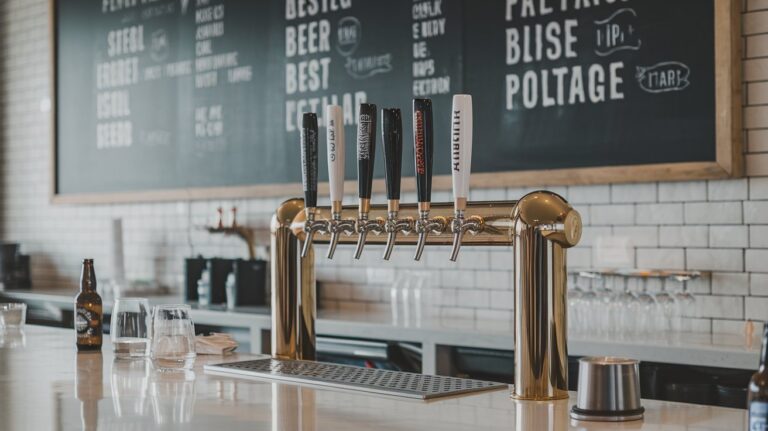
Successful brewery taprooms combine architectural innovation with comfortable gathering spaces, often featuring locally-sourced food menus that complement their beer offerings. Many top breweries partner with local farms, restaurants, and artisans to create comprehensive experiences that showcase regional culture alongside exceptional craft beer.
Emerging Brewery Trends for 2025
The craft brewing industry continues evolving with trends toward sustainability, low-alcohol options, and innovative ingredients like adaptogens and unique fruit varieties. Many of the best breweries in the US are investing in renewable energy, water conservation, and circular economy practices that reduce environmental impact while maintaining production quality.
Hard seltzers, functional beverages, and non-alcoholic craft beers represent growing segments that traditional breweries are embracing. These trends reflect changing consumer preferences toward health-conscious drinking and environmental responsibility, ensuring that America’s brewing industry remains dynamic and forward-thinking through 2025 and beyond.
Related video about best breweries in the us
This video complements the article information with a practical visual demonstration.
Key Questions and Answers
What makes a brewery one of the best in the US?
The best breweries in the US combine exceptional beer quality, consistent innovation, and outstanding customer experiences. They typically feature award-winning recipes, use premium ingredients, maintain strict quality control, and create memorable taproom environments. Many also contribute to their local communities and demonstrate environmental responsibility.
Which US region produces the highest quality craft beer?
While the West Coast pioneered American craft brewing, excellent breweries now exist nationwide. California and Oregon lead in volume and innovation, Vermont excels in New England IPAs, and the Midwest produces outstanding German-style lagers. The best breweries are distributed across all regions, each offering unique styles and experiences.
How many craft breweries currently operate in the United States?
As of 2024, over 9,500 breweries operate in the United States, including microbreweries, brewpubs, regional craft breweries, and contract brewing companies. This number continues growing annually, with new openings outpacing closures despite increased competition in the craft beer market.
What beer styles are American breweries known for internationally?
American breweries gained international recognition for hop-forward IPAs, bourbon barrel-aged stouts, and innovative ingredient usage. American IPA styles, particularly West Coast and New England variants, are now produced worldwide. Imperial stouts, wild ales, and fruit-forward sours also represent distinctly American contributions to global beer culture.
How do I plan a brewery tour across multiple US regions?
Plan brewery tours by focusing on specific regions or styles, booking taproom visits in advance, and considering seasonal releases. Popular routes include California’s Central Coast, Vermont’s beer trail, and Colorado’s Front Range. Many breweries offer guided tours, tastings, and food pairings that enhance the experience beyond just sampling beer.
What should I expect when visiting America’s top breweries?
Top US breweries typically offer guided tours, extensive tasting flights, food menus designed to pair with their beers, and knowledgeable staff who can discuss brewing processes and ingredients. Many feature merchandise shops, special release events, and educational experiences that provide insight into craft brewing culture and techniques.
| Brewery Aspect | What to Look For | Experience Benefit |
|---|---|---|
| Beer Quality | Award-winning recipes, fresh ingredients, consistent flavors | Exceptional taste experiences and memorable brews |
| Innovation | Unique styles, seasonal releases, experimental ingredients | Discovery of new flavors and brewing techniques |
| Taproom Experience | Welcoming atmosphere, knowledgeable staff, food options | Educational and social brewery visits |
| Community Impact | Local partnerships, sustainability practices, cultural events | Supporting responsible businesses and local economies |