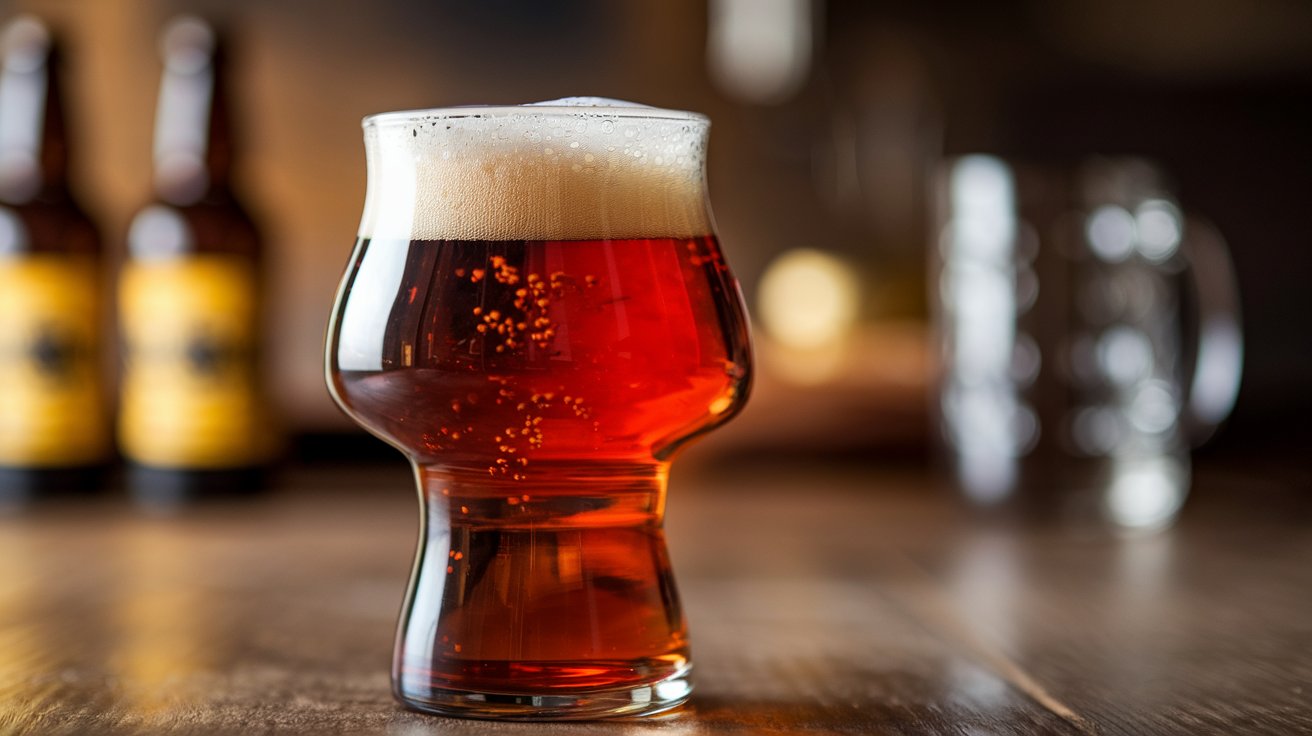
Red Ale Beer Guide: Styles, Flavors & Top Brands 2025
Red ale represents one of the most beloved and versatile beer styles in American craft brewing, characterized by its distinctive reddish-amber color and balanced malt-forward flavor profile. This comprehensive guide explores the rich world of red ale beer, from traditional Irish origins to innovative American craft interpretations that dominate brewery taprooms across the United States in 2025.
What is Red Ale Beer
Red ale is a malt-forward beer style distinguished by its copper to deep red color, achieved through the use of specialty malts like crystal, caramel, and roasted barley. The style typically ranges from 4.5% to 6.2% ABV, offering a perfect balance between hop bitterness and malt sweetness. American craft breweries have produced over 2,800 different red ale variations as of 2024, making it the fourth most popular craft beer style in the United States.
The defining characteristics of red ale beer include a medium body, moderate carbonation, and flavor notes ranging from toffee and caramel to subtle roasted coffee hints. Unlike darker stouts or lighter pilsners, red ales occupy a unique middle ground that appeals to both new craft beer drinkers and experienced enthusiasts. The style’s versatility has led to numerous subcategories, each with distinct regional influences and brewing techniques.
Red Ale Color Profile and Appearance
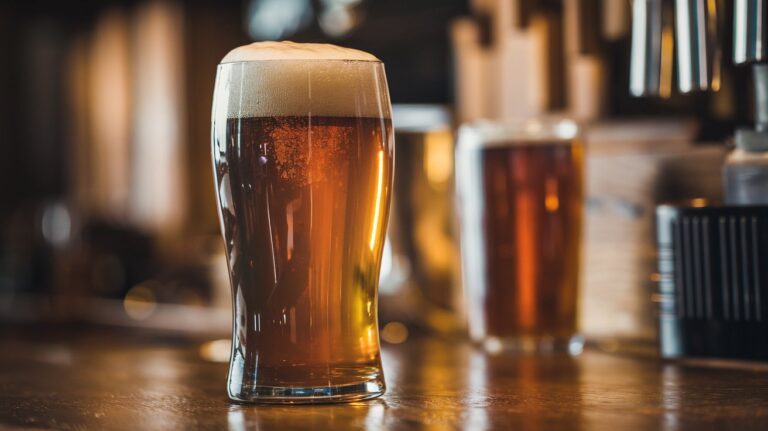
The signature red ale color ranges from light copper to deep mahogany, measured at 8-18 SRM (Standard Reference Method) on the brewing scale. This distinctive hue comes from specialty malts that undergo controlled kilning processes, creating Maillard reactions that produce both color and flavor compounds. The beer typically pours with a creamy, off-white to light tan head that maintains good retention, contributing to the overall visual appeal that makes red ale instantly recognizable in any glass.
Red Ale Alcohol Content and Strength
Most red ale beers fall within the 4.5% to 6.2% ABV range, though Imperial Red Ales can reach 8-10% ABV. The moderate alcohol content makes red ale an excellent session beer choice, allowing drinkers to enjoy multiple servings without overwhelming alcohol heat. American craft breweries typically target 5.2-5.8% ABV for their flagship red ale offerings, providing enough complexity to satisfy craft beer enthusiasts while remaining approachable for mainstream beer consumers.
Red Ale Beer Styles and Variations
The world of red ale encompasses several distinct styles, each with unique characteristics shaped by regional brewing traditions and ingredient preferences. Irish Red Ales remain the most traditional style, featuring a balanced malt profile with minimal hop presence, while American Red Ales showcase bold hop character alongside caramel malt sweetness. Belgian Red Ales introduce fruity esters and spicy phenols from specialty yeast strains, creating complex flavor profiles that distinguish them from their Anglo-American counterparts.
Modern American craft brewers have pushed the boundaries of traditional red ale styles, creating hybrid versions that incorporate elements from IPAs, porters, and wheat beers. These innovative approaches have resulted in styles like Red IPAs, Imperial Red Ales, and Barrel-Aged Red Ales, each offering unique drinking experiences while maintaining the core characteristics that define the red ale beer category. The Beer Judge Certification Program recognizes multiple red ale subcategories, reflecting the style’s diversity and evolution in contemporary brewing.
Irish Red Ale Characteristics
Irish Red Ale represents the traditional foundation of the red ale family, characterized by a smooth, malty sweetness balanced with gentle hop bitterness. These beers typically feature 3.8-5.0% ABV with a focus on caramel and toffee flavors derived from crystal malts. The style emphasizes drinkability and balance, making it an ideal choice for those seeking a flavorful yet approachable red ale experience that pairs well with traditional Irish cuisine and pub fare.
American Red Ale Features
American Red Ale showcases the bold hop character that defines American craft brewing, incorporating citrusy and piney hop varieties alongside the traditional malt backbone. These beers range from 4.5-6.2% ABV and feature higher hop bitterness (25-40 IBU) compared to Irish versions. American craft brewers often use Cascade, Centennial, and Amarillo hops to create distinctive red ale profiles that balance hop aroma and flavor with caramel malt sweetness, resulting in more complex and assertive drinking experiences.
Red Ale Flavor Profile and Tasting Notes
The red ale flavor profile centers around a harmonious balance of malt sweetness and hop character, creating a drinking experience that satisfies multiple taste preferences simultaneously. Caramel and toffee notes dominate the malt character, often accompanied by subtle biscuit, bread, and toasted grain flavors that provide depth and complexity. The hop presence varies by style, ranging from mild earthy notes in Irish versions to bold citrus and pine characteristics in American interpretations of red ale beer.
Advanced red ale tasting reveals layers of flavor that develop as the beer warms in the glass, including hints of dark fruit, nuts, and spices that complement the primary malt profile. The finish typically features moderate bitterness that cleanses the palate without overwhelming the malt sweetness, making red ale an excellent choice for both standalone enjoyment and food pairing applications. Professional beer judges evaluate red ale based on balance, complexity, and the seamless integration of malt and hop elements that define exceptional examples of the style.
Primary Red Ale Flavor Components
The foundational flavors in red ale include caramel sweetness from crystal malts, toasted bread notes from base malts, and varying levels of hop bitterness that provide balance. Specialty malts contribute additional complexity through chocolate, coffee, and dried fruit characteristics, while hop varieties add floral, citrus, or piney elements depending on the specific red ale style and brewer interpretation.
Red Ale Aroma Characteristics
Red ale aroma typically features prominent malt sweetness with caramel, toffee, and biscuit notes, complemented by hop aromatics that range from subtle earthiness to bold citrus and floral characteristics. The aroma intensity correlates with the specific style, with American Red Ales showcasing more pronounced hop aromatics compared to traditional Irish versions. Quality red ale exhibits clean fermentation character without off-flavors, allowing the malt and hop aromatics to shine through clearly.
Top Red Ale Breweries in the United States
American craft breweries have embraced red ale as a flagship style, with numerous acclaimed producers creating award-winning examples that showcase regional ingredients and brewing techniques. Bell’s Brewery in Michigan leads the category with their Red’s Ale, while Fat Tire from New Belgium Brewing has become synonymous with American red ale for millions of consumers. Founders Red’s Rye PA and North Coast Red Seal Ale represent benchmark examples that demonstrate the style’s versatility and appeal across different market segments.
Regional craft breweries continue to innovate within the red ale category, with West Coast breweries emphasizing hop character, while East Coast producers focus on malt complexity and balance. Notable mentions include Cigar City Brewing’s Florida Cracker, Deschutes Red Chair NWPA, and Brooklyn Brewery’s East India Pale Ale, each representing distinct approaches to red ale beer that have garnered critical acclaim and commercial success in the competitive American craft beer market.
Red Ale Food Pairing Guide
Red ale food pairing opportunities span a wide range of cuisines and dishes, thanks to the style’s balanced flavor profile and moderate alcohol content. The caramel malt sweetness complements grilled meats, barbecue, and roasted vegetables, while the hop character provides enough contrast to cut through rich, fatty foods. Classic pairings include burgers, pizza, aged cheeses, and chocolate desserts, where the red ale enhances rather than competes with the food flavors.
Advanced red ale pairing techniques involve matching the beer’s intensity with complementary food elements, such as pairing hop-forward American Red Ales with spicy foods or malt-focused Irish Red Ales with comfort foods like stews and pot roasts. The style’s versatility makes it an excellent choice for beer dinners and special events, where red ale beer can bridge multiple courses while maintaining flavor harmony throughout the meal experience.
Brewing Red Ale at Home
Homebrewing red ale requires careful attention to malt selection and mash temperature control to achieve the characteristic color and flavor profile. Base malts like Pale or Maris Otter provide the foundation, while crystal malts in the 40-80 Lovibond range contribute color and caramel flavors. Specialty additions like Munich malt enhance malt complexity, and small amounts of roasted malts can add depth without overwhelming the red ale character. The key to successful red ale brewing lies in achieving proper malt-to-hop balance that defines the style.
Temperature control throughout the brewing process significantly impacts red ale quality, with mash temperatures around 152-154°F promoting medium body and balanced fermentability. Fermentation temperatures between 62-68°F using American ale yeasts like Safale US-05 or Wyeast 1056 produce clean profiles that showcase the malt and hop character. Proper conditioning and carbonation levels (2.2-2.6 volumes CO2) ensure the finished red ale beer meets style guidelines and delivers the intended drinking experience.
Red Ale Ingredient Selection
Essential ingredients for red ale brewing include high-quality base malts, appropriate crystal malts for color and flavor, and hop varieties that complement rather than overpower the malt character. Popular hop choices include Cascade, Centennial, and East Kent Goldings, used primarily for flavor and aroma additions. Water chemistry plays a crucial role, with moderate mineral content enhancing malt character while supporting hop extraction in red ale recipes.
Red Ale Brewing Process Tips
Successful red ale brewing requires attention to detail throughout the entire process, from grain crushing to packaging. Single-step infusion mashing works well for most recipes, while hop additions should focus on late kettle additions and dry hopping for aroma enhancement. Fermentation management prevents off-flavors that can detract from the clean red ale profile, and proper conditioning time allows flavors to marry and develop the characteristic smooth finish that defines quality examples of the style.
Red Ale Market Trends 2025
The red ale market in 2025 shows continued growth across multiple segments, with craft breweries reporting 12% year-over-year increases in red ale production volume. Consumer preferences favor locally-produced red ale options, driving regional brewery expansion and innovation within the style. Market research indicates that red ale appeals particularly to consumers aged 25-45, representing the largest demographic segment for craft beer purchases in the United States.
Innovation within the red ale category focuses on ingredient experimentation and hybrid style development, with breweries incorporating fruit additions, barrel aging, and international hop varieties to create distinctive products. The rise of low-alcohol and session red ale variants addresses health-conscious consumer trends while maintaining flavor complexity. Distribution patterns show strong performance in both on-premise and off-premise channels, with red ale beer maintaining consistent market share despite increased competition from newer craft beer styles and trending categories like hard seltzers.
Related video about red ale
This video complements the article information with a practical visual demonstration.
Questions & Answers
What makes red ale different from other beer styles?
Red ale is distinguished by its copper to deep red color from specialty malts, balanced malt-hop profile, and moderate 4.5-6.2% ABV range. Unlike IPAs which emphasize hops or stouts which focus on roasted flavors, red ale offers harmonious balance between caramel malt sweetness and hop character, making it approachable for diverse palates while maintaining craft beer complexity.
What foods pair best with red ale beer?
Red ale pairs excellently with grilled meats, barbecue, pizza, burgers, aged cheeses, and chocolate desserts. The caramel malt sweetness complements rich, savory foods while the hop character cuts through fatty dishes. Classic pairings include cheddar cheese, beef dishes, roasted vegetables, and caramelized desserts that echo the beer’s flavor profile.
Is red ale considered a beginner-friendly craft beer?
Yes, red ale serves as an ideal introduction to craft beer due to its balanced flavor profile and moderate alcohol content. The style offers complexity without overwhelming intensity, featuring familiar caramel and toffee notes that appeal to mainstream beer drinkers while providing enough character to satisfy craft beer enthusiasts seeking flavor development.
What temperature should red ale be served at?
Red ale should be served at 45-50°F (7-10°C) to optimize flavor and aroma expression. This temperature range allows the malt character to shine while preventing hop bitterness from becoming harsh. Serving too cold masks flavors, while serving too warm emphasizes alcohol heat and reduces the balanced drinking experience that defines quality red ale.
How long does red ale typically last once opened?
Opened red ale maintains optimal quality for 1-2 days when properly stored in the refrigerator with minimal air exposure. The style’s moderate alcohol content and balanced profile make it more susceptible to oxidation than higher-alcohol beers. For best flavor experience, consume red ale within 24 hours of opening, using proper resealing techniques to preserve carbonation and prevent off-flavors.
Can red ale be aged like wine or stronger beers?
Most red ales are designed for immediate consumption and don’t benefit from extended aging due to their moderate alcohol content and hop character. However, Imperial Red Ales (8-10% ABV) and barrel-aged versions can develop interesting flavors over 1-2 years. Standard red ales may lose hop aroma and develop stale flavors when aged, making fresh consumption the preferred approach for optimal flavor experience.
| Red Ale Aspect | Key Details | Consumer Benefit |
|---|---|---|
| Flavor Profile | Balanced malt sweetness with hop character | Appeals to diverse taste preferences |
| Alcohol Content | 4.5-6.2% ABV moderate strength | Perfect for session drinking |
| Food Pairing | Versatile with grilled meats and cheeses | Excellent dining companion |
| Market Availability | 2,800+ variations from US breweries | Wide selection and easy access |