Best Cream Ale Beer: Top 15 Picks & Complete Guide 2025
Cream ale represents one of America’s most approachable and refreshing beer styles, combining the best cream ale beer characteristics of light lagers with subtle ale complexity. This uniquely American style offers smooth drinkability with a delicate balance of malt sweetness and clean finish that appeals to both craft beer enthusiasts and casual drinkers seeking quality flavor without overwhelming intensity.
What Makes the Best Cream Ale Beer Stand Out
The best cream ale beer combines traditional brewing techniques with modern quality standards to create a distinctively smooth and approachable beverage. Cream ales originated in the mid-1800s as American brewers sought to compete with German lagers using existing ale yeast and equipment. This innovation resulted in a hybrid style that ferments like an ale but conditions like a lager, producing the characteristic clean and creamy mouthfeel that defines exceptional cream ales today.
Superior cream ales showcase a perfect balance between malt sweetness and hop character, typically ranging from 4.2% to 5.6% alcohol by volume. The cream ale brewing process involves fermenting at ale temperatures followed by extended cold conditioning, which removes harsh flavors while preserving the style’s signature smoothness. Premium examples display a pale golden color, moderate carbonation, and a subtle grain character that never overwhelms the palate, making them ideal for year-round enjoyment.
Top American Cream Ale Brands in 2025
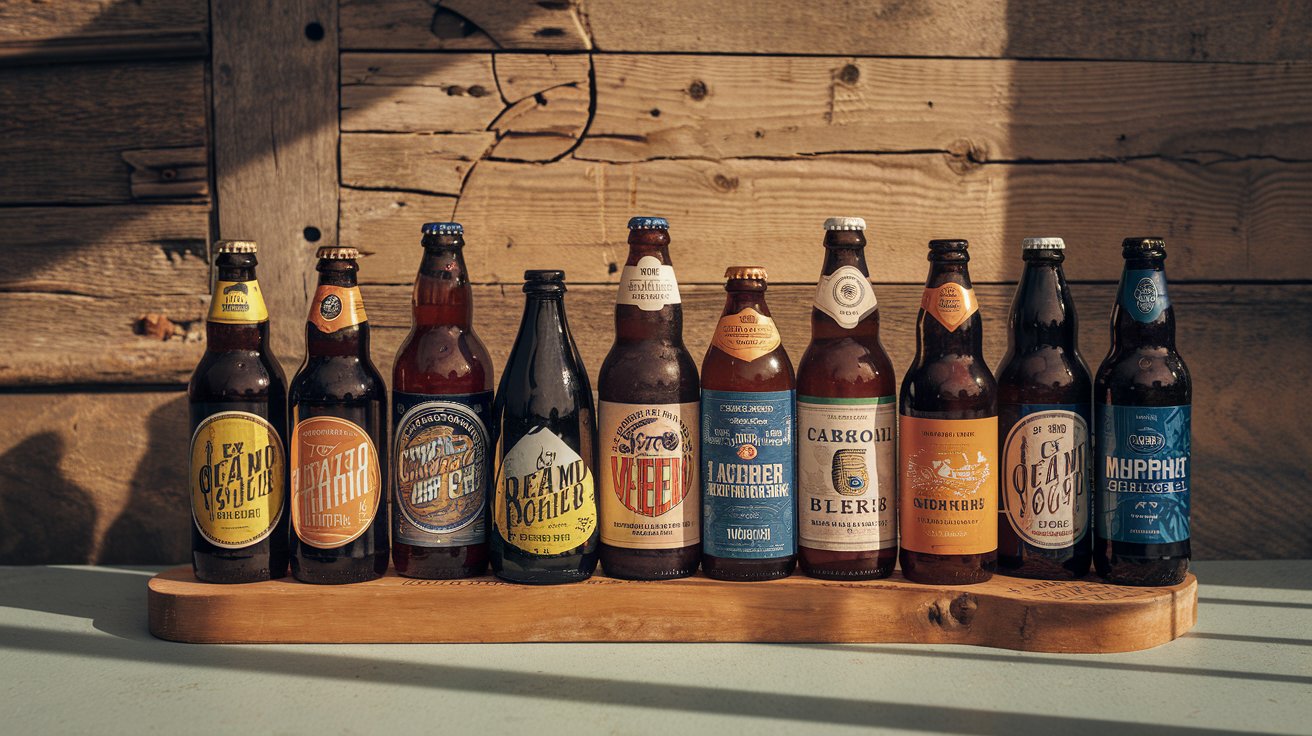
The American craft beer renaissance has elevated cream ale from a forgotten style to a celebrated category, with numerous breweries producing outstanding examples that rival any international beer style. Leading American cream ale brands like Genesee Cream Ale, New Glarus Spotted Cow, and Bell’s Summer Beer have established themselves as benchmark examples that showcase the style’s versatility and appeal to diverse palates across the United States.
Regional powerhouses continue dominating the cream ale landscape in 2025, with craft cream ale breweries like Boulevard Brewing, Anchor Brewing, and Sun King Brewery producing award-winning variations that honor tradition while incorporating modern brewing innovations. These producers consistently deliver cream ales with exceptional clarity, balanced flavor profiles, and the smooth finish that defines world-class examples of this distinctly American beer style.
Premium Craft Cream Ale Selection
Premium craft cream ales represent the pinnacle of this American style, with breweries like New Belgium, Sierra Nevada, and Founders producing premium cream ale varieties that showcase complex grain bills and innovative brewing techniques. These exceptional beers often incorporate specialty malts, unique hop varieties, and extended aging processes that elevate the traditional cream ale profile while maintaining the style’s essential drinkability and smooth character that appeals to discerning beer enthusiasts.
Regional Cream Ale Favorites
Regional cream ale favorites reflect local brewing traditions and ingredient preferences, creating distinct variations that celebrate America’s diverse beer culture. Wisconsin’s regional cream ale specialties like New Glarus Spotted Cow exemplify Midwest brewing excellence, while East Coast producers such as Yuengling Traditional Lager and Narragansett Cream Ale maintain historical connections to the style’s origins while satisfying modern palates seeking authentic American beer experiences.
Cream Ale Flavor Profiles and Characteristics
Understanding cream ale flavor profiles enables beer enthusiasts to appreciate the subtle complexities that distinguish exceptional examples from ordinary offerings. The cream ale flavor characteristics typically feature a delicate balance of sweet grain notes, minimal hop presence, and a clean finish that refreshes rather than overwhelms the palate. Premium cream ales showcase pale malt sweetness complemented by corn or rice adjuncts that contribute to the style’s signature smoothness and light body.
Exceptional cream ales demonstrate remarkable versatility in cream ale taste profiles, ranging from bone-dry interpretations with crisp mineral finishes to slightly sweet versions that emphasize caramel malt character. The best examples maintain perfect harmony between these elements while avoiding the cloying sweetness or harsh bitterness that can plague inferior versions, creating a drinking experience that satisfies both casual beer drinkers and sophisticated palates seeking nuanced flavor development.
Aroma and Appearance Standards
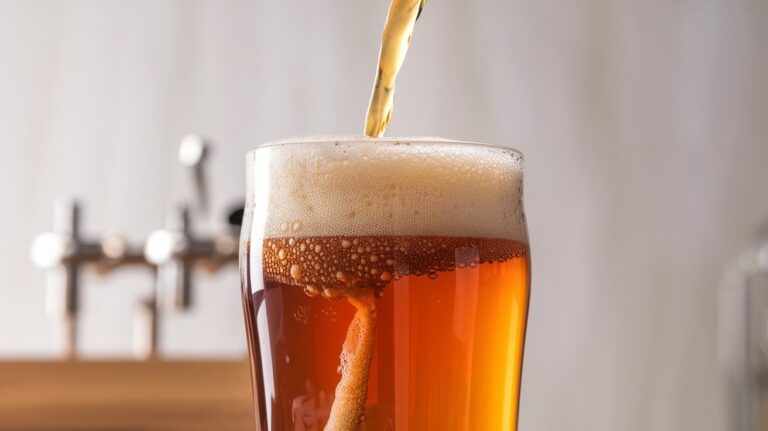
Superior cream ales exhibit distinctive visual and aromatic qualities that immediately signal quality and craftsmanship. The cream ale appearance standards showcase brilliant clarity with pale golden to light amber coloration, topped by a persistent white foam head that indicates proper carbonation levels and quality ingredients. Premium examples display exceptional clarity that allows light to pass through easily, creating an inviting visual presentation that promises the smooth drinking experience that follows.
Mouthfeel and Finish Qualities
The mouthfeel and finish separate outstanding cream ales from mediocre examples, with the best displaying a cream ale mouthfeel excellence characterized by medium-light body, moderate carbonation, and smooth texture that coats the palate without heaviness. Premium cream ales finish clean and crisp with subtle grain sweetness that invites another sip, while inferior versions may exhibit harsh alcohol notes, excessive sweetness, or thin watery character that disappoints discerning drinkers.
Brewing Process and Ingredients for Cream Ales
The cream ale brewing process combines traditional ale fermentation techniques with lager conditioning methods to create the style’s characteristic smooth and approachable profile. Master brewers employ specific cream ale brewing techniques including controlled fermentation temperatures, extended cold conditioning periods, and careful ingredient selection to achieve the perfect balance between ale complexity and lager cleanliness that defines exceptional cream ales in today’s competitive market.
Premium cream ale production utilizes high-quality base malts supplemented with corn or rice adjuncts that contribute to the style’s light color and smooth mouthfeel. The cream ale ingredients selection typically includes American two-row barley, flaked corn, and minimal hop additions that provide balance without overwhelming the delicate malt character. Yeast selection proves crucial, with many breweries using specific strains that ferment cleanly at moderate temperatures while producing the subtle esters that distinguish ales from lagers.
Food Pairing Guide for Cream Ales
Cream ales excel as food pairing companions due to their balanced flavor profile and refreshing character that complements rather than competes with diverse culinary preparations. The cream ale food pairing possibilities span from light appetizers to substantial main courses, with the style’s moderate alcohol content and clean finish providing palate cleansing properties that enhance dining experiences across multiple courses and flavor profiles.
Classic cream ale meal combinations include seafood dishes, grilled chicken, mild cheeses, and summer salads that benefit from the beer’s ability to refresh the palate between bites. The style’s subtle sweetness pairs exceptionally well with spicy cuisines, barbecued meats, and fried foods where the smooth character helps balance bold flavors while the moderate carbonation cuts through rich sauces and fatty textures that might overwhelm more delicate beer styles.
Seasonal Pairing Recommendations
Seasonal cream ale pairings take advantage of the style’s year-round appeal and versatility with changing ingredients and cooking methods. Summer seasonal cream ale pairings shine with grilled vegetables, fresh seafood, and light pasta salads, while winter applications complement heartier fare like roasted chicken, mild stews, and comfort food preparations that benefit from the beer’s smooth character without overwhelming delicate seasonal flavors.
International Cuisine Compatibility
Cream ales demonstrate remarkable compatibility with international cuisines, particularly those featuring moderate spice levels and balanced flavor profiles. The style works exceptionally well with cream ale international cuisine pairings including Mexican street food, Thai curry dishes, and Italian pasta preparations where the beer’s clean finish and moderate body provide refreshing contrast without competing with complex spice blends and aromatic herbs that define authentic ethnic cooking traditions.
Where to Buy the Best Cream Ale Beer
Finding the best cream ale beer requires knowledge of reliable retailers, seasonal availability, and regional distribution patterns that affect product freshness and selection. Premium cream ale retail locations include specialty beer stores, well-stocked grocery chains, and brewery taprooms that maintain proper storage conditions and rotating inventory to ensure customers receive the freshest possible products with optimal flavor development and quality characteristics.
Online retailers increasingly offer extensive cream ale selections with direct-from-brewery shipping options that provide access to limited releases and regional specialties unavailable through traditional distribution channels. Many cream ale purchasing options now include subscription services, brewery direct sales, and specialty importers that focus on American craft beer styles, enabling enthusiasts to discover new favorites while supporting independent breweries that maintain traditional brewing standards.
Serving and Storage Tips for Cream Ales
Proper serving and storage techniques maximize cream ale enjoyment by preserving the style’s delicate flavor balance and ensuring optimal presentation. Cream ale serving temperature should range between 38-45°F to showcase the beer’s subtle complexities while maintaining refreshing character, with colder temperatures muting flavor development and warmer service allowing off-flavors to become prominent in lesser examples.
Cream ale storage requires consistent refrigeration and protection from light exposure that can create unpleasant flavors and aromas in finished beer. Optimal cream ale storage conditions include upright positioning, stable temperatures below 40°F, and consumption within 90 days of packaging for domestic examples, though premium craft versions may maintain quality longer when properly stored in controlled environments away from temperature fluctuations and direct sunlight.
Glassware Selection and Presentation
Appropriate glassware enhances cream ale presentation and concentrates aromatic compounds that contribute to overall drinking pleasure. Traditional cream ale glassware selection includes pilsner glasses, wheat beer glasses, and standard pint glasses that showcase the beer’s brilliant clarity and persistent foam head while providing adequate surface area for aroma development and proper temperature maintenance throughout the drinking experience.
Freshness Indicators and Quality Assessment
Recognizing freshness indicators helps consumers select the highest quality cream ales available in the marketplace. Key cream ale freshness indicators include clear packaging dates, brilliant clarity without haze or sediment, and bright white foam heads that persist throughout drinking, while signs of age or poor handling include off-aromas, flat appearance, and flavors that deviate from the style’s characteristic clean and smooth profile expectations.
Related video about best cream ale beer
This video complements the article information with a practical visual demonstration.
Essential Q&A about best cream ale beer
What is the difference between cream ale and regular ale?
Cream ale differs from regular ale through its unique brewing process that combines ale fermentation with lager conditioning techniques. This hybrid approach creates a smoother, cleaner flavor profile with less pronounced yeast character compared to traditional ales. Cream ales typically use corn or rice adjuncts and undergo extended cold conditioning, resulting in a lighter body and more approachable taste that appeals to both ale and lager enthusiasts.
Which cream ale brand is considered the best in America?
New Glarus Spotted Cow consistently ranks among America’s best cream ales, though regional preferences vary significantly. Other top contenders include Genesee Cream Ale for traditional style, Bell’s Summer Beer for craft innovation, and Boulevard Unfiltered Wheat for premium quality. The best choice depends on personal taste preferences, with each offering distinct characteristics that showcase different aspects of this versatile American beer style.
How should I serve cream ale for the best taste experience?
Serve cream ale chilled between 38-45°F in a clean pilsner or wheat beer glass to optimize flavor and aroma development. Pour with a gentle angle to create a proper foam head while avoiding excessive carbonation release. Allow the beer to warm slightly as you drink to reveal subtle flavor complexities, and consume within 30 minutes of opening for peak freshness and optimal taste experience.
Can cream ale be paired with spicy foods?
Cream ale pairs excellently with spicy foods due to its smooth character and moderate alcohol content that helps cool the palate. The style’s clean finish and subtle sweetness complement rather than compete with spice heat, making it ideal for Mexican cuisine, Thai dishes, and barbecue. The beer’s refreshing qualities provide palate cleansing between bites while its balanced profile won’t overwhelm delicate spice nuances.
What makes cream ale different from wheat beer?
Cream ale differs from wheat beer primarily in grain composition and brewing technique. While wheat beers contain significant wheat percentages creating characteristic haziness and tangy flavors, cream ales use primarily barley malt with corn or rice adjuncts for smoothness. Cream ales undergo lager-style conditioning for clarity and clean taste, whereas wheat beers maintain ale character with pronounced yeast flavors and cloudy appearance.
How long does cream ale stay fresh after opening?
Cream ale maintains peak quality for 24-48 hours after opening when properly sealed and refrigerated consistently below 40°F. The style’s delicate flavor profile makes it susceptible to oxidation and flavor degradation, so consume opened bottles or cans within two days for optimal taste experience. Draft cream ale from growlers should be consumed within 24 hours, while unopened containers maintain quality for 60-90 days when stored properly.
| Key Aspect | Important Details | Benefit |
|---|---|---|
| Flavor Profile | Balanced malt sweetness, clean finish, 4.2-5.6% ABV | Appeals to diverse palates, highly drinkable |
| Brewing Process | Ale fermentation with lager conditioning | Combines best of both beer styles |
| Food Pairing | Complements seafood, grilled meats, spicy cuisine | Versatile dining companion |
| Serving Temperature | 38-45°F in appropriate glassware | Optimal flavor and aroma development |
| Storage Requirements | Refrigerated, protected from light, consume within 90 days | Maintains peak quality and freshness |