American Pale Ale Guide: Best APA Beers, Brewing & Styles
American Pale Ale represents one of the most beloved and influential beer styles in the United States, characterized by its citrusy hop character and balanced malt backbone. This craft beer style emerged in the 1980s and has become the gateway beer for many Americans entering the world of craft brewing, offering approachable bitterness levels while showcasing distinctly American hop varieties.
What is American Pale Ale
American Pale Ale is a beer style that originated in the United States during the craft beer revolution of the 1980s. This style typically features an alcohol by volume (ABV) range of 4.5% to 6.2% and showcases American hop varieties like Cascade, Centennial, and Amarillo. The hop character provides citrus, floral, and pine notes that distinguish it from its English counterpart.
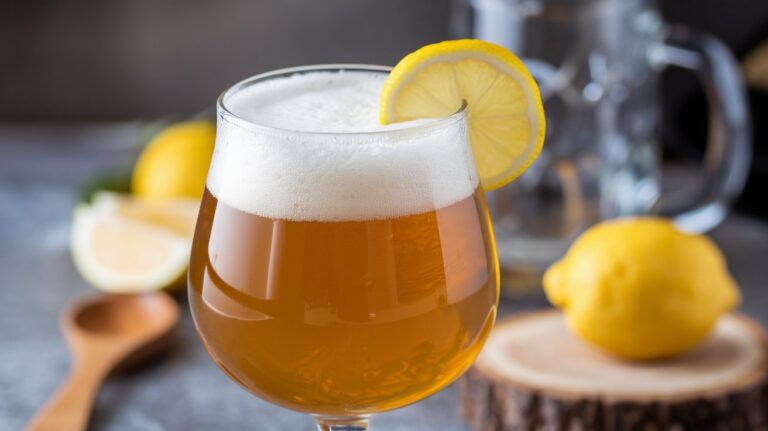
The style balances moderate hop bitterness with a caramel malt sweetness, creating an approachable yet flavorful drinking experience. American Pale Ales typically measure 30-50 International Bitterness Units (IBUs), making them more hop-forward than traditional lagers but less aggressive than India Pale Ales. The color ranges from golden to light amber, with excellent clarity being a hallmark of well-crafted examples.
American Pale Ale Brewing Process
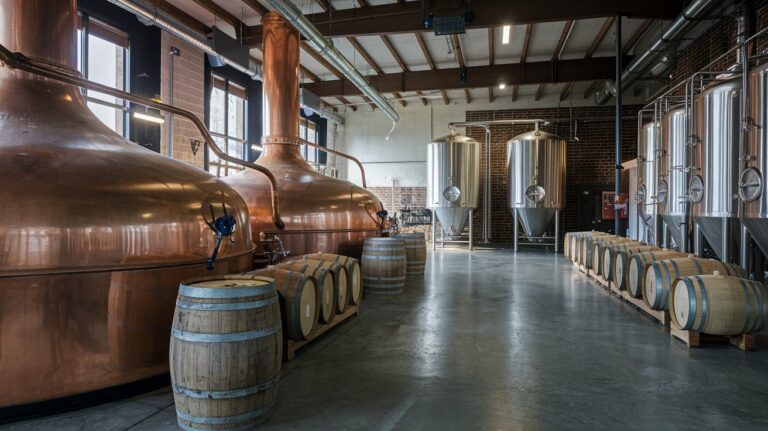
The brewing process for American Pale Ale begins with a grain bill typically composed of 80-90% American two-row or Pilsner malt, supplemented with specialty malts like Crystal 40L or Munich malt. The mashing process occurs at 148-152°F for 60 minutes, extracting fermentable sugars while maintaining body. Professional breweries often employ single-infusion mashing for efficiency and consistency.
Hop additions follow a structured schedule, with bittering hops added at the beginning of the 60-minute boil, flavor hops at 15-20 minutes remaining, and aroma hops in the final 5 minutes. Many modern breweries incorporate dry hopping during fermentation, adding 1-2 ounces per gallon to enhance the citrus and floral aromatics. Fermentation typically uses American ale yeast strains like Safale US-05 or Wyeast 1056 at 64-68°F for 7-10 days.
Malt Selection and Grain Bill
The foundation of any exceptional American Pale Ale lies in proper malt selection, with American two-row barley serving as the base malt for 80-85% of the grain bill. Crystal malts, particularly 40L and 60L varieties, contribute the characteristic caramel sweetness and amber color, typically comprising 8-12% of the total grain bill. Munich malt adds depth and bready flavors when used at 5-8% inclusion rates, while wheat malt can enhance head retention when added at 3-5% of the recipe.
Hop Varieties and Timing
American hop varieties define the character of this beer style, with Cascade hops being the original and most iconic choice, providing citrus and floral notes. Centennial hops offer intense citrus character with moderate bitterness, while Amarillo contributes orange and tropical fruit aromatics. Modern brewers increasingly use Citra and Mosaic hops for their intense fruit-forward profiles, though traditional varieties remain popular for authentic flavor profiles.
Top American Pale Ale Brands in 2024
The American craft beer market features numerous outstanding Pale Ale examples, with Sierra Nevada Pale Ale remaining the gold standard since 1980. This brewery produces over 1.2 million barrels annually of their flagship Pale Ale, utilizing whole-cone Cascade hops and proprietary yeast strains. Bell’s Pale Ale from Michigan offers a slightly maltier profile, while Oskar Blues Dale’s Pale Ale pioneered the canned craft beer movement in 2002.
Regional favorites include Dogfish Head 60 Minute IPA, technically classified as a Pale Ale despite its name, and Stone Pale Ale from California. Newer entrants like Modern Times Lomaland showcase contemporary hop varieties, while traditional breweries like Anchor Steam maintain classic interpretations. The craft beer market in 2024 shows continued growth, with Pale Ales representing approximately 15% of all craft beer sales according to Brewers Association data.
National Distribution Leaders
Sierra Nevada Brewing leads national distribution with availability in all 50 states and annual production exceeding 1.2 million barrels. Bell’s Brewery distributes their Pale Ale across 43 states, focusing on Midwest and Eastern markets where their maltier profile resonates with consumers. Stone Brewing maintains strong West Coast presence while expanding nationwide, offering their distinctive hop-forward interpretation that helped define the modern American Pale Ale style.
Regional and Local Favorites
Regional breweries continue producing exceptional American Pale Ales with local character, such as Three Floyds Alpha King from Indiana, known for its aggressive hop profile and cult following. Russian River Brewing’s Blind Pig IPA represents California’s hop-forward tradition, while Great Lakes Burning River from Ohio offers Midwest accessibility. These regional examples often incorporate local ingredients and brewing traditions while maintaining style guidelines.
Flavor Profile and Characteristics
The flavor profile of American Pale Ale centers around the interplay between American hop varieties and supporting malt character. Citrus notes dominate the aroma and flavor, with grapefruit, orange, and lemon characteristics from Cascade and Centennial hops being most prominent. The hop bitterness typically registers 30-50 IBUs, providing assertive but not overwhelming perception that cleanses the palate without lingering harshness.
Supporting malt flavors include caramel sweetness from crystal malts, bread-like notes from base malts, and subtle honey characteristics from proper fermentation. The finish should be clean and dry, encouraging another sip while leaving pleasant hop aromatics. Body ranges from light-medium to medium, with moderate carbonation levels enhancing the hop character. Temperature serving at 38-42°F optimizes both aroma release and flavor perception.
American Pale Ale vs Other Beer Styles
American Pale Ale differs significantly from English Pale Ale through hop variety selection and fermentation character, with American versions showcasing citrus-forward hop profiles versus the earthy, floral character of English varieties like East Kent Goldings. The yeast strains also contribute differently, with American ale yeasts producing cleaner fermentation profiles compared to the fruity esters typical in English ales.
Compared to India Pale Ales, American Pale Ales feature lower alcohol content (4.5-6.2% vs 6.0-7.5%) and reduced hop intensity, making them more sessionable and food-friendly. The malt backbone in Pale Ales provides more noticeable sweetness balance, while IPAs emphasize hop character more aggressively. Blonde Ales offer lighter body and hop presence, while Amber Ales feature increased malt complexity and darker color profiles.
Pale Ale vs IPA Comparison
The distinction between American Pale Ale and IPA primarily involves hop intensity and alcohol strength, with IPAs featuring 50-70+ IBUs compared to Pale Ales’ 30-50 IBU range. Alcohol content differs significantly, as IPAs typically contain 6.0-7.5% ABV while Pale Ales remain at 4.5-6.2% ABV. Hop aroma in IPAs often overwhelms malt character, whereas Pale Ales maintain better balance between hop and malt flavors for broader appeal.
English vs American Pale Ale
English Pale Ales utilize traditional hop varieties like Fuggle and East Kent Goldings, producing earthy, floral, and herbal characteristics that contrast sharply with American citrus profiles. English versions typically feature lower hop rates and showcase malt character more prominently, often including specialty malts like Maris Otter that contribute biscuit flavors. Fermentation temperatures and yeast strains also differ, with English ales often displaying fruity esters that American versions minimize.
Food Pairing with American Pale Ale
Food pairing with American Pale Ale leverages the style’s balanced hop bitterness and moderate alcohol content to complement a wide range of cuisines. The citrus hop character pairs exceptionally well with spicy foods, as the bitterness helps cleanse the palate while the carbonation provides cooling relief. Grilled meats benefit from the hop oils that cut through fat and complement char flavors, making Pale Ales ideal for barbecue seasons.
Cheese pairings work particularly well with aged cheddar and semi-hard cheeses, where the hop bitterness contrasts creamy textures while the malt sweetness complements nutty flavors. Mexican and Southwestern cuisine represents ideal matches, with the beer’s hop profile enhancing cilantro and lime flavors while managing heat from peppers. Seafood preparations, especially grilled or blackened fish, benefit from the clean finish and citrus notes that don’t overwhelm delicate flavors.
Appetizers and Light Dishes
Appetizer pairings with American Pale Ale include buffalo wings, where the hop bitterness cuts through rich sauces while cooling heat levels. Nachos with jalapeños and cheese create complementary flavors, as the carbonation cleanses between bites and hop oils enhance pepper characteristics. Salmon tartare or ceviche work beautifully, with citrus hop notes echoing lime and lemon preparations while the clean finish allows seafood flavors to shine.
Main Course Combinations
Main course pairings showcase American Pale Ale’s versatility with grilled chicken, pork tenderloin, and beef burgers all benefiting from hop bitterness that cuts through proteins and fats. Pizza, particularly with pepperoni or sausage toppings, creates classic combinations where carbonation cleanses the palate between bites. Fish tacos represent perfect matches, with citrus hop character complementing lime garnishes and managing spice levels from various salsas and hot sauces.
Homebrewing American Pale Ale
Homebrewing American Pale Ale offers excellent opportunities for beginning brewers to develop fundamental skills while creating rewarding results. The style forgives minor process variations while showcasing proper technique, making it ideal for learning hop timing, fermentation management, and recipe formulation. All-grain brewing produces superior results, though extract-based recipes can achieve excellent quality with proper hop selection and timing.
Recipe formulation should target 1.045-1.060 original gravity with 80-85% base malt, 10-15% crystal malts, and 0-5% specialty additions. Hop schedules typically include 60-minute bittering additions of 0.75-1.0 ounces per gallon, 15-minute flavor additions of 0.5 ounces per gallon, and 5-minute aroma additions of 0.5-1.0 ounces per gallon. Dry hopping with 1-2 ounces per gallon for 3-5 days enhances aroma without adding excessive bitterness.
American Pale Ale Market Trends 2024
The American craft beer market in 2024 shows continued strength in the Pale Ale category, with sales representing approximately 15% of total craft beer volume according to Brewers Association data. Session versions gaining popularity feature reduced alcohol content (3.5-4.5% ABV) while maintaining hop character, appealing to health-conscious consumers seeking flavorful but lower-calorie options. Hazy Pale Ales represent emerging trends, incorporating New England IPA techniques at lower strength levels.
Regional variations continue developing unique characteristics, with West Coast Pale Ales maintaining aggressive hop profiles while East Coast versions often feature softer, more balanced approaches. Canned packaging now dominates sales channels, representing over 60% of Pale Ale sales in 2024, driven by freshness preservation and portability preferences. Sustainability initiatives influence brewing practices, with many breweries adopting water conservation and renewable energy programs that resonate with environmentally conscious consumers.
Related video about american pale ale
This video complements the article information with a practical visual demonstration.
What you should know
What is the alcohol content of American Pale Ale?
American Pale Ale typically contains 4.5% to 6.2% alcohol by volume (ABV), making it moderate strength compared to other craft beer styles. This ABV range provides enough alcohol warmth to balance hop bitterness while remaining sessionable for multiple servings. Most commercial examples fall between 5.0-5.5% ABV, offering optimal flavor balance.
How bitter is American Pale Ale compared to IPA?
American Pale Ale ranges from 30-50 International Bitterness Units (IBUs), significantly lower than IPAs which typically measure 50-70+ IBUs. This moderate bitterness level provides assertive hop character without overwhelming the palate, making Pale Ales more approachable for beer drinkers new to hop-forward styles while still offering complexity.
What hops are used in American Pale Ale?
Classic American Pale Ales feature Cascade hops as the signature variety, providing citrus and floral characteristics. Other common varieties include Centennial, Amarillo, Chinook, and Columbus hops. Modern versions often incorporate newer varieties like Citra, Mosaic, and Simcoe for enhanced fruit-forward aromatics while maintaining the style’s American hop character.
How should American Pale Ale be served?
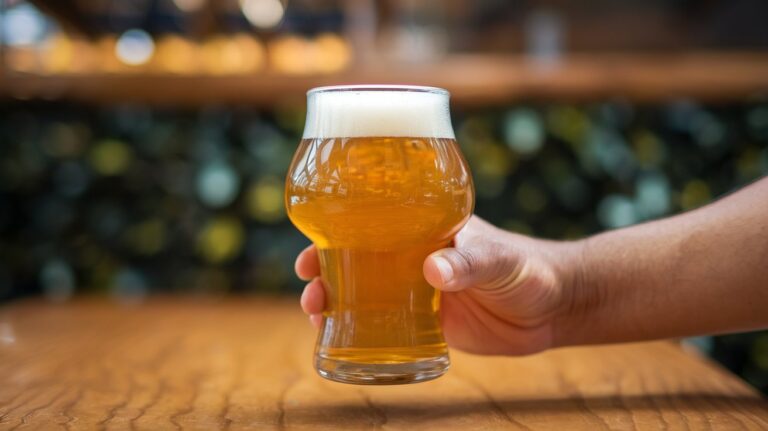
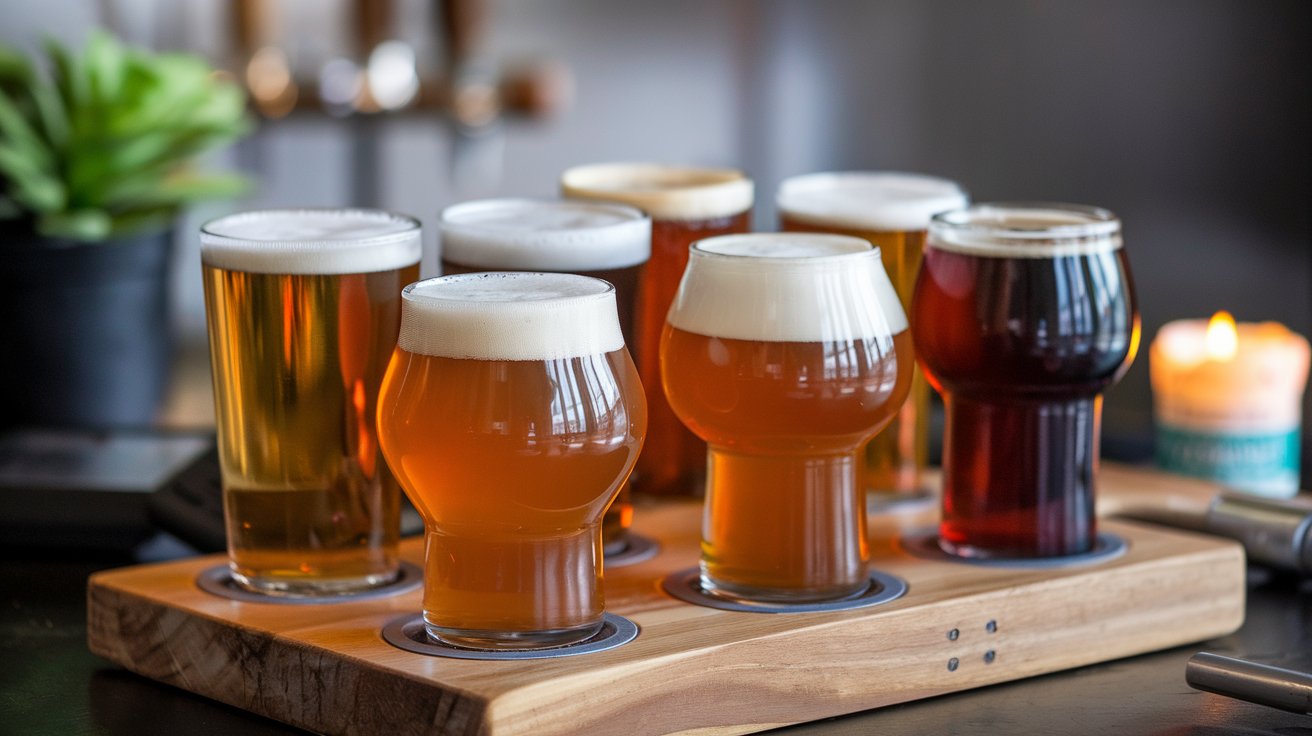
American Pale Ale should be served at 38-42°F in a clean pint glass or tulip glass to optimize aroma release and flavor perception. Pour with moderate vigor to create a 1-inch foam head that showcases hop aromatics. Avoid over-chilling, as temperatures below 35°F suppress hop flavors and aromatics that define the style.
What foods pair best with American Pale Ale?
American Pale Ale pairs excellently with grilled meats, spicy foods, aged cheeses, and Mexican cuisine. The hop bitterness cuts through rich, fatty foods while the citrus character complements lime and cilantro flavors. Buffalo wings, burgers, fish tacos, and barbecue represent classic pairings that showcase the beer’s versatility and food-friendly nature.
How long does American Pale Ale stay fresh?
American Pale Ale maintains optimal flavor for 90-120 days when properly stored in cool, dark conditions. Hop aromatics begin degrading after 60 days, though the beer remains safe to drink much longer. Canned versions typically retain freshness longer than bottled beer due to superior light and oxygen protection. Always check packaging dates for best quality.
| Key Characteristic | Specification | Consumer Benefit |
|---|---|---|
| Alcohol Content | 4.5-6.2% ABV | Sessionable yet flavorful |
| Bitterness Level | 30-50 IBUs | Balanced hop character |
| Primary Hops | Cascade, Centennial, Amarillo | Distinctive citrus aromatics |
| Color Range | Golden to light amber | Visually appealing clarity |
| Food Pairing | Grilled meats, spicy cuisine | Versatile meal companion |