What is Malt Beverage? Complete Guide to Types & Facts 2025
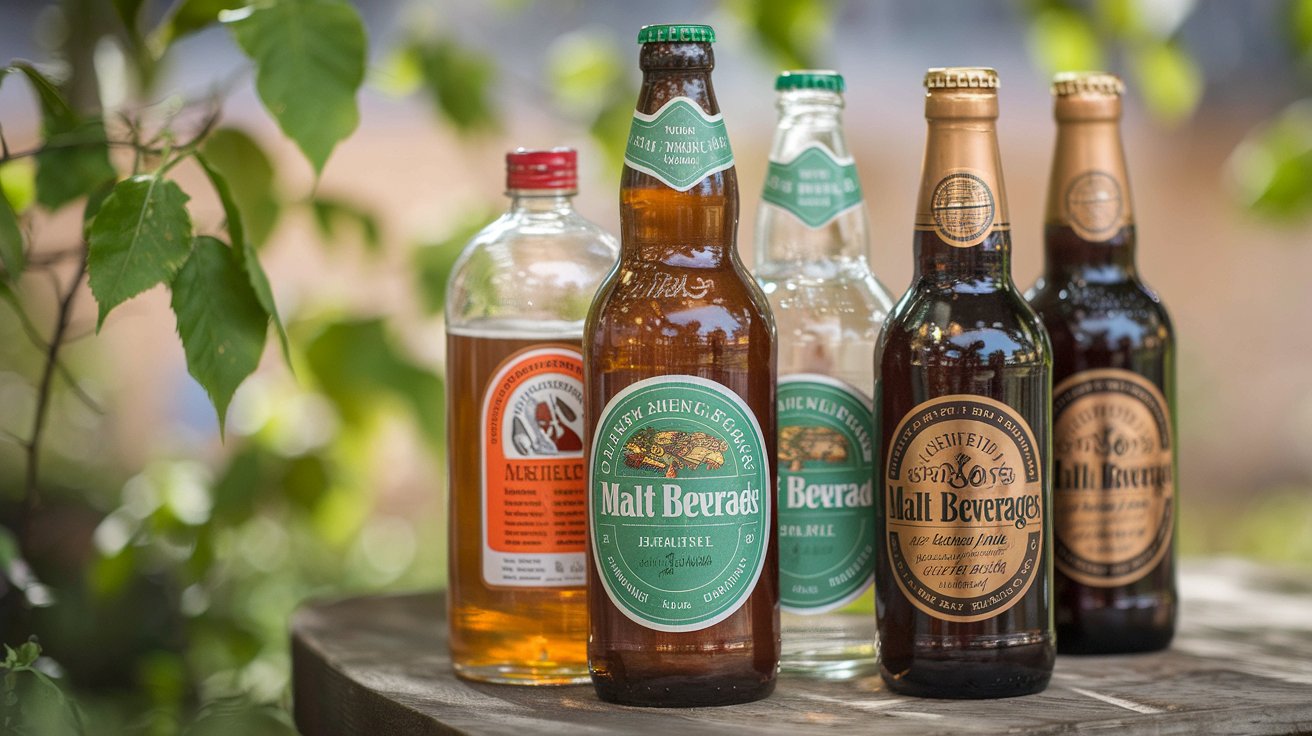
A malt beverage is any fermented drink made from malted cereal grains, primarily barley, that undergoes a brewing process involving yeast fermentation. These beverages range from traditional beer and malt liquor to modern flavored alternatives and non-alcoholic versions, representing a diverse category that encompasses everything from light lagers to robust stouts in the American beverage market.
Understanding Malt Beverages: Basic Definition and Components
The fundamental definition of a malt beverage centers on its primary ingredient: malted grains that have been allowed to germinate and then dried to create enzymes that convert starches into fermentable sugars. The brewing process begins with malted barley, though wheat, corn, rice, and other grains may also be incorporated depending on the specific product being manufactured.
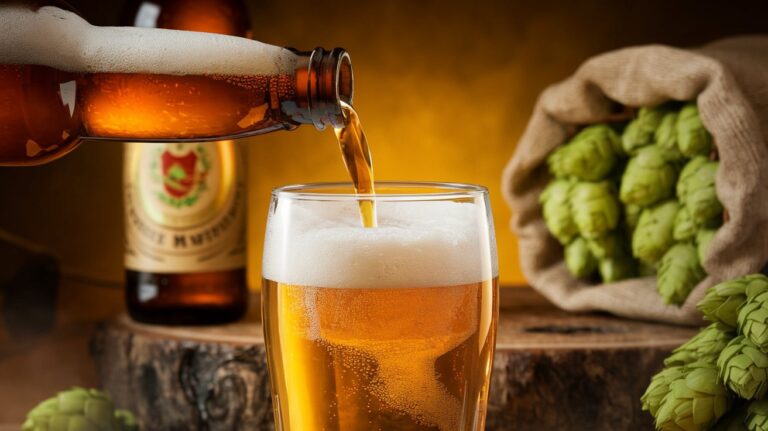
During production, the malted grains are mixed with water to create a mash, which is then heated to activate enzymes that break down starches into sugars. This sugar-rich liquid, called wort, serves as the foundation for fermentation when yeast is added. The yeast consumes the sugars and produces alcohol and carbon dioxide, creating the characteristic flavor profile and alcohol content that defines malt beverages in the United States market.
Types of Malt Beverages Available in the US Market
The American malt beverage market encompasses several distinct categories, each with unique characteristics and consumer appeal. Traditional beer remains the most popular category, including light beers, craft ales, lagers, and specialty brews that have gained significant traction among US consumers in recent years.
Malt liquor represents another significant category, typically containing higher alcohol content than regular beer, usually ranging from 6% to 12% alcohol by volume. These products often target specific demographic segments and are widely available in convenience stores and supermarkets across the United States.
Traditional Beer Categories
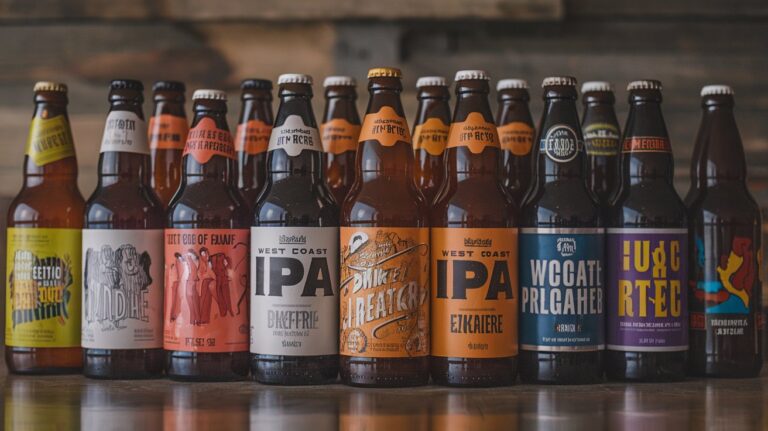
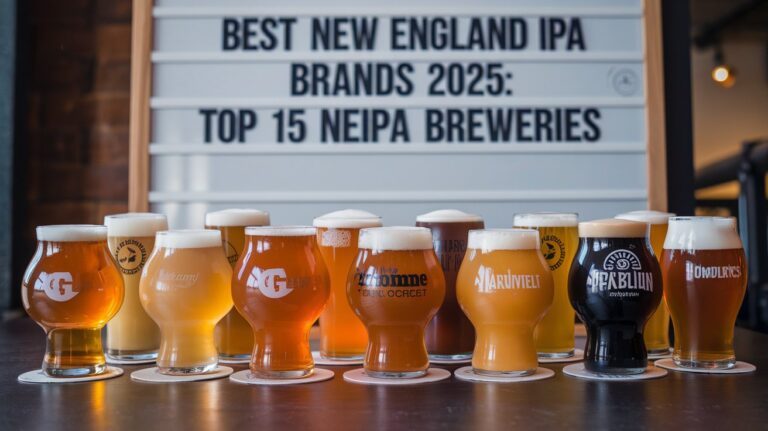
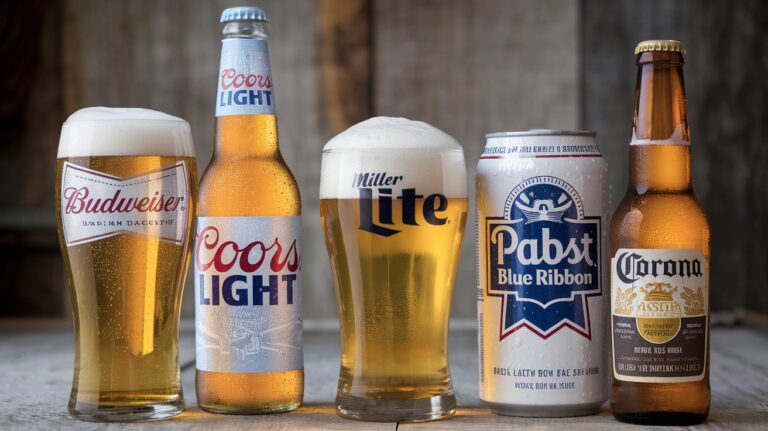
Traditional beer encompasses lagers, ales, pilsners, and wheat beers, with alcohol content typically ranging from 3.5% to 6.5% by volume. Major American brands like Budweiser, Coors, and Miller dominate the light lager segment, while craft breweries have expanded offerings in IPA, stout, and seasonal varieties that appeal to sophisticated palates seeking unique flavor experiences.
Flavored Malt Beverages and Alternatives
Flavored malt beverages include products like hard seltzers, malt-based coolers, and fruit-flavored drinks that use malt as a base but incorporate additional flavoring agents. These products have experienced explosive growth in the US market, with brands like White Claw and Truly capturing significant market share among younger consumers who prefer lighter, refreshing alternatives to traditional beer options.
The Brewing Process: How Malt Beverages Are Made
The brewing process for malt beverages follows a carefully controlled sequence of steps that transform raw grains into finished products ready for consumption. The process begins with malting, where barley grains are soaked in water, allowed to germinate for several days, then dried in kilns to halt the germination process while preserving the enzymes needed for sugar conversion.
After malting, the grains undergo mashing, where they are mixed with hot water at specific temperatures to activate enzymes that convert starches into fermentable sugars. The resulting liquid is separated from the grain solids through a process called lautering, creating the clear, sugar-rich wort that serves as the foundation for fermentation processes that will ultimately determine the alcohol content and flavor profile of the finished malt beverage.
Fermentation and Conditioning Stages
During fermentation, specific yeast strains are added to the cooled wort, where they consume sugars and produce alcohol, carbon dioxide, and various flavor compounds over a period of several days to weeks. Primary fermentation typically lasts 5-10 days, followed by conditioning periods that can range from weeks to months depending on the desired characteristics of the final malt beverage product.
Quality Control and Packaging
Quality control measures throughout the brewing process ensure consistency in alcohol content, flavor, and appearance of malt beverages. Modern breweries employ sophisticated testing equipment to monitor sugar levels, alcohol content, pH, and microbial contamination before packaging products in bottles, cans, or kegs for distribution to retailers across the United States market.
Alcohol Content and Legal Classifications
The alcohol content in malt beverages varies significantly based on the specific product category and intended market positioning. Regular beer typically contains between 3.5% and 6% alcohol by volume, while malt liquors can reach 12% ABV or higher, making them subject to different regulatory requirements and taxation structures in various US states.
Legal classifications for malt beverages in the United States are primarily determined by alcohol content and ingredients used in production. Products containing less than 0.5% alcohol by volume are classified as non-alcoholic, while those exceeding certain thresholds may face additional restrictions on sales, advertising, and distribution depending on state and local regulations governing alcoholic beverage commerce.
Health Considerations and Nutritional Information
The nutritional profile of malt beverages varies considerably depending on ingredients, alcohol content, and production methods employed by manufacturers. Regular beer typically contains 150-200 calories per 12-ounce serving, with carbohydrates ranging from 10-15 grams, while light beers may contain 100-110 calories with reduced carbohydrate content to appeal to health-conscious consumers.
Health considerations related to malt beverage consumption include alcohol’s effects on metabolism, liver function, and potential interactions with medications. The CDC recommends moderate consumption limits of one drink per day for women and two drinks per day for men, with one drink defined as 12 ounces of beer containing 5% alcohol by volume for appropriate health maintenance.
Market Trends and Consumer Preferences in 2024-2025
Current market trends in the US malt beverage industry show significant growth in craft beer segments, hard seltzers, and low-alcohol alternatives as consumers increasingly seek premium products with unique flavors and healthier profiles. The craft beer market alone is projected to reach $45 billion by 2025, driven by consumer demand for locally-produced, artisanal products that offer distinctive taste experiences.
Consumer preferences have shifted toward lighter, more refreshing options with natural ingredients and lower calorie counts. Hard seltzer sales increased by 130% in 2024, while traditional light beer segments experienced modest declines as younger demographics gravitate toward alternatives that align with active, health-conscious lifestyles prevalent in American culture today.
Non-Alcoholic Malt Beverages and Alternatives
Non-alcoholic malt beverages have gained substantial popularity among consumers seeking the taste and social aspects of traditional beer without alcohol content. These products undergo similar brewing processes but employ techniques to remove or prevent alcohol formation while maintaining characteristic malt flavors and carbonation levels that satisfy consumer expectations.
Popular non-alcoholic alternatives include brands like Heineken 0.0, Budweiser Zero, and Athletic Brewing Company products that target fitness enthusiasts, designated drivers, and individuals avoiding alcohol for health or personal reasons. This market segment is projected to grow 25% annually through 2025 as acceptance and quality of alcohol-free options continue improving across the United States.
Related video about what is malt beverage
This video complements the article information with a practical visual demonstration.
Important things to know about what is malt beverage
What is the difference between malt beverage and beer?
Malt beverage is a broader category that includes beer, malt liquor, and other fermented drinks made from malted grains. Beer is a specific type of malt beverage with typically 3.5-6% alcohol content, while the malt beverage category encompasses products with varying alcohol levels and additional flavoring ingredients beyond traditional beer recipes.
How much alcohol is in a typical malt beverage?
Alcohol content in malt beverages ranges from 0.5% for non-alcoholic versions to over 12% for malt liquors. Regular beer contains 3.5-6% alcohol by volume, flavored malt beverages typically contain 4-8%, while malt liquors can reach 6-12% ABV depending on the specific product and brewing methods used.
Are malt beverages the same as beer?
Not exactly. While all beer is technically a malt beverage, not all malt beverages are beer. The malt beverage category includes traditional beer, malt liquor, flavored malt drinks, hard seltzers with malt bases, and non-alcoholic malt products, making it a broader classification than beer alone.
What ingredients are used to make malt beverages?
Primary ingredients include malted barley or other cereal grains, water, hops (for traditional beer), and yeast for fermentation. Additional ingredients may include corn, rice, wheat, natural or artificial flavors, sugars, and preservatives depending on the specific type of malt beverage being produced.
Can people with gluten sensitivity drink malt beverages?
Most traditional malt beverages contain gluten from malted barley and wheat ingredients. However, gluten-free options exist using alternative grains like rice, corn, or sorghum as the malt base. Individuals with celiac disease or gluten sensitivity should specifically seek products labeled as gluten-free malt beverages.
How long do malt beverages last once opened?
Once opened, most malt beverages should be consumed within 1-2 days for optimal taste and carbonation. Unopened products typically remain fresh for 6-9 months past the printed date when stored in cool, dark conditions. Higher alcohol malt beverages may maintain quality longer than lighter options due to alcohol’s preservative properties.
| Malt Beverage Type | Alcohol Content | Key Characteristics |
|---|---|---|
| Regular Beer | 3.5-6% ABV | Traditional brewing, hop flavoring, wide variety |
| Malt Liquor | 6-12% ABV | Higher alcohol content, stronger flavor profile |
| Flavored Malt Beverage | 4-8% ABV | Added flavors, often fruit-based, lighter taste |
| Non-Alcoholic Malt | Less than 0.5% ABV | Similar taste without alcohol effects |