Best Stouts in America 2025: Top Craft Beer Rankings
America’s craft beer revolution has elevated stouts to unprecedented heights, with innovative breweries across the nation crafting world-class dark beers that rival traditional Irish and English varieties. From bold imperial stouts to creamy milk stouts, the best stouts in America showcase exceptional brewing artistry, complex flavor profiles, and regional ingredients that define modern American brewing excellence.
Top American Stout Styles and Categories
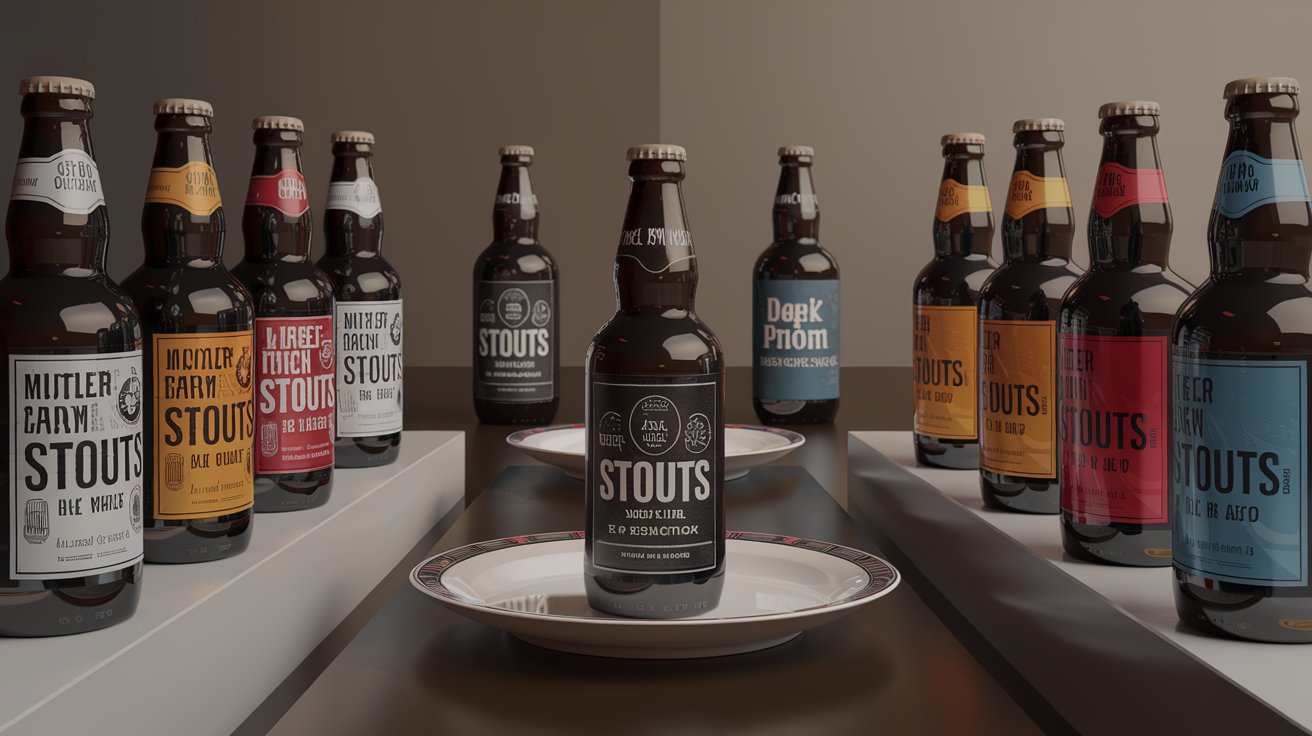
The American stout landscape encompasses diverse styles that showcase innovative brewing techniques and bold flavor experimentation. Traditional dry stouts receive American interpretations through higher hop content and unique ingredient additions, while imperial stouts push alcohol boundaries with rich, complex profiles reaching 10-14% ABV. Sweet stouts, including milk and oatmeal varieties, offer approachable entry points with creamy textures and balanced sweetness.
Barrel-aged stouts represent the pinnacle of American stout innovation, incorporating whiskey, bourbon, and wine barrels to create layered complexity. Modern American brewers also experiment with coffee, chocolate, vanilla, and exotic spices, creating specialty stouts that blur traditional style boundaries while maintaining the fundamental roasted malt character that defines exceptional stout beer.
Imperial Stouts: Bold and Complex
Imperial stouts dominate America’s premium stout market with their intense flavors, high alcohol content, and aging potential. These powerful beers feature robust roasted malt profiles complemented by notes of dark chocolate, coffee, and dried fruits, often enhanced through barrel aging or specialty ingredient additions that create memorable drinking experiences.
Milk Stouts: Creamy and Approachable
American milk stouts utilize lactose addition to create smooth, creamy textures with balanced sweetness that appeals to both craft beer enthusiasts and newcomers. Leading breweries craft innovative milk stout variations incorporating coffee, vanilla, chocolate, and seasonal ingredients while maintaining the style’s characteristic approachable profile.
Premier American Stout Breweries by Region
Regional brewing powerhouses across America have established themselves as stout specialists through consistent quality, innovative recipes, and distinctive house characteristics. West Coast breweries emphasize hop-forward interpretations and bold experimentation, while East Coast stout producers often focus on traditional techniques enhanced with modern ingredients and barrel-aging programs.
Midwest and Southern breweries contribute unique perspectives through local ingredient integration and climate-influenced aging processes. These regional variations create a diverse American stout landscape where traditional styles meet innovative brewing approaches, resulting in distinctive beer profiles that reflect local tastes and brewing philosophies.
West Coast Stout Innovation Leaders
California and Pacific Northwest breweries lead American stout innovation through experimental ingredient use, cutting-edge brewing techniques, and bold flavor combinations. These breweries consistently produce award-winning imperial stouts and barrel-aged varieties that set national quality standards and influence brewing trends nationwide.
East Coast Traditional Excellence
New England and Mid-Atlantic stout specialists balance traditional brewing methods with modern innovation, creating consistently excellent beers that honor stout heritage while embracing contemporary American brewing philosophy. These breweries excel in barrel-aged program management and seasonal specialty releases.
2025 Top-Rated American Stouts Rankings
Expert evaluations and consumer ratings identify the highest-quality American stouts available in 2025, considering flavor complexity, brewing craftsmanship, availability, and overall drinking experience. These rankings encompass various stout styles and price points, ensuring representation of both limited-release specialties and widely available options that exemplify American stout excellence.
Evaluation criteria include sensory analysis covering aroma, appearance, flavor balance, and finish quality, alongside brewing technique assessment and ingredient quality consideration. The rankings reflect both traditional stout characteristics and innovative American interpretations that have redefined modern stout standards through creative brewing approaches.
Barrel-Aged Stout Masterpieces
Barrel-aged stouts represent the apex of American brewing artistry, utilizing whiskey, bourbon, wine, and specialty barrels to create complex, layered flavors that develop over extended aging periods. These premium offerings showcase masterful blending techniques and careful barrel selection that transforms base stout recipes into extraordinary limited-edition releases.
The barrel-aging process imparts vanilla, oak, caramel, and spirit characteristics while mellowing harsh alcohol notes and integrating flavors through controlled oxidation. Leading American breweries operate extensive barrel-aging programs with temperature-controlled warehouses and expert cellar management, producing annually released specialties that command premium prices and collector interest.
Whiskey Barrel Stout Selections
Whiskey barrel-aged stouts showcase the harmonious marriage between roasted malt character and bourbon or rye whiskey influences, creating warming, complex beers perfect for cold-weather enjoyment. These specialties feature integrated spirit flavors that complement rather than overpower the underlying stout foundation.
Wine Barrel Stout Innovations
Wine barrel aging introduces unique tannin structures and fruit characteristics to American stouts, creating sophisticated flavor profiles that appeal to wine and beer enthusiasts alike. Red wine barrels contribute berry and grape notes while port barrels add sweetness and complexity.
Coffee and Chocolate Stout Specialties
American breweries excel in creating coffee-infused stouts and chocolate-enhanced varieties that showcase complementary roasted flavors and aromatic complexity. These specialty stouts often feature partnerships with local coffee roasters and artisanal chocolate makers, resulting in unique collaborative beers that highlight regional ingredient quality and brewing creativity.
Successful coffee stout production requires careful timing and extraction method selection to achieve optimal coffee flavor integration without introducing excessive bitterness or overwhelming the base beer character. Similarly, chocolate stout creation involves precise cocoa addition techniques and ingredient selection that enhance rather than mask the underlying roasted malt complexity.
Seasonal and Limited Release Stouts
Seasonal stout releases capture the excitement of American craft brewing through limited availability, unique ingredient combinations, and brewery creativity that generates consumer anticipation and collector interest. Winter seasonals often feature warming spices, higher alcohol content, and rich textures, while summer stout variations might incorporate lighter roasted malts and refreshing ingredient additions.
Limited release strategies allow breweries to experiment with premium ingredients and innovative techniques while maintaining profitability through higher pricing and guaranteed sellout potential. These releases often commemorate brewery anniversaries, celebrate seasonal ingredients, or showcase brewing team creativity through one-time recipe development.
Stout Tasting and Serving Guidelines
Proper stout serving technique maximizes flavor appreciation and aromatic complexity through appropriate glassware selection, temperature control, and pouring methods that enhance the drinking experience. Traditional tulip glasses or snifters concentrate aromatics, while proper serving temperatures between 50-55°F allow complex flavors to emerge without excessive alcohol heat.
Professional tasting evaluation considers appearance clarity, head retention, aroma intensity, flavor balance, and finish length when assessing stout quality. Systematic tasting approaches help identify specific characteristics including roasted malt levels, hop balance, alcohol integration, and specialty ingredient contributions that define exceptional American stouts.
Optimal Serving Temperatures and Glassware
Temperature control significantly impacts stout flavor perception, with proper serving ranges allowing complex roasted malt characteristics and specialty ingredient additions to shine without alcohol harshness. Professional glassware selection enhances aromatic concentration and visual appeal through proper head formation and retention.
Food Pairing Recommendations
Strategic food pairing enhances both stout characteristics and culinary experiences through complementary or contrasting flavor interactions. Rich desserts, grilled meats, aged cheeses, and chocolate preparations create harmonious pairing combinations that elevate both food and beer elements.
Where to Find America’s Best Stouts
Locating premium American stouts requires knowledge of distribution patterns, brewery release schedules, and specialty retailer relationships that provide access to limited-edition and hard-to-find selections. National chain stores offer widely distributed options, while local craft beer shops often carry regional specialties and limited releases unavailable elsewhere.
Brewery taprooms provide direct access to fresh releases and exclusive variants not available through distribution channels. Many breweries operate beer clubs or allocation systems for rare releases, while craft beer festivals and special events offer opportunities to sample multiple stouts and discover new favorites from various producers.
Related video about best stouts in america
This video complements the article information with a practical visual demonstration.
Everything you need to know about best stouts in america
What makes American stouts different from Irish or English stouts?
American stouts typically feature higher hop content, innovative ingredient additions like coffee and chocolate, and bold alcohol levels that distinguish them from traditional versions. American brewers embrace experimentation with barrel-aging, specialty malts, and unique flavor combinations while maintaining the roasted malt foundation that defines stout character.
Which American stout style is best for beginners?
Milk stouts offer the most approachable introduction to American stout styles through their creamy texture, balanced sweetness, and lower alcohol content. These stouts provide the classic roasted malt character without overwhelming bitterness or alcohol heat, making them ideal for newcomers to dark beer styles.
How should I store barrel-aged stouts for optimal aging?
Store barrel-aged stouts upright in cool, dark conditions between 50-60°F with consistent temperatures to prevent oxidation and flavor degradation. High-alcohol imperial stouts can age 3-5 years when properly stored, developing increased complexity and mellowed alcohol integration over time.
What food pairs best with American imperial stouts?
Imperial stouts complement rich desserts like chocolate cake, tiramisu, and ice cream, while also pairing excellently with aged cheeses, grilled steaks, and barbecue. The high alcohol content and intense flavors can stand up to bold, fatty foods while the roasted malt character enhances chocolate and coffee-based desserts.
Are American craft stouts worth the higher price compared to mass-market options?
Premium American craft stouts justify higher prices through superior ingredient quality, innovative brewing techniques, small-batch production methods, and complex flavor development. These artisanal beers offer unique taste experiences and craftsmanship levels unavailable in mass-produced alternatives, providing exceptional value for serious beer enthusiasts.
Which regions produce the best stouts in America?
While excellent stouts are produced nationwide, the Pacific Northwest, California, New England, and Great Lakes regions have established reputations for exceptional stout quality. These areas combine favorable brewing conditions, strong craft beer cultures, and access to premium ingredients that support world-class stout production.
| Stout Category | Key Characteristics | Best For |
|---|---|---|
| Imperial Stouts | High alcohol, complex flavors, aging potential | Experienced drinkers, special occasions |
| Milk Stouts | Creamy texture, balanced sweetness, approachable | Beginners, dessert pairing |
| Barrel-Aged Stouts | Premium ingredients, limited availability, collector interest | Connoisseurs, cellaring, gifts |
| Coffee Stouts | Roasted coffee integration, aromatic complexity | Coffee lovers, morning beer events |