Bourbon Barrel Aged Imperial Stout: Complete Guide 2025
Bourbon barrel aged imperial stout represents the pinnacle of craft beer complexity, combining the rich malty sweetness of imperial stout with the distinctive vanilla, oak, and bourbon flavors from aging in whiskey barrels. This sophisticated brewing technique creates beers with alcohol content typically ranging from 10-14% ABV, offering layers of flavor that develop over months of careful aging in authentic bourbon barrels.
What is Bourbon Barrel Aged Imperial Stout
Bourbon barrel aged imperial stout is a high-alcohol dark beer that undergoes secondary fermentation and aging in barrels previously used for bourbon whiskey production. The brewing process begins with creating a base imperial stout, characterized by its intense roasted malt flavors, chocolate notes, and robust alcohol content exceeding 9% ABV. After primary fermentation, the beer is transferred to bourbon barrels where it ages for 6-18 months.
During the barrel aging process, the beer absorbs complex bourbon flavors including vanilla from oak lactones, caramel notes from char levels, and subtle whiskey aromatics. The porous oak allows for controlled oxidation and micro-oxygenation, which mellows harsh alcohol heat while developing sophisticated flavor compounds. American craft breweries have elevated this style since the early 2000s, with production increasing 45% between 2020-2024 according to Brewers Association data.
The Barrel Aging Process
The bourbon barrel aging process transforms imperial stout through complex chemical interactions between beer, wood, and residual bourbon. Breweries typically source barrels from renowned distilleries like Buffalo Trace, Heaven Hill, and Four Roses, with each barrel type contributing unique flavor characteristics. The aging duration varies from 6-24 months, with most premium examples aging 12-18 months for optimal flavor development.
Temperature fluctuations during aging create barrel breathing effects, where the beer penetrates deeper into wood fibers during warm periods and extracts more compounds during cooling cycles. This process intensifies vanilla and oak extraction while allowing harsh alcohol edges to smooth. Breweries often blend batches from different barrel types and aging periods to achieve consistent flavor profiles, with some reserving single-barrel releases for special limited editions.
Oak Char Levels and Flavor Impact
Bourbon barrels feature different char levels that significantly influence the final beer’s character. Level 1 char provides subtle oak tannins and light vanilla notes, while Level 3 char (most common) delivers balanced caramel sweetness and moderate vanilla extraction. Level 4 char creates intense smoky characteristics with pronounced vanilla and coconut flavors. Understanding char levels helps consumers select barrel aged stouts matching their preferred flavor intensity.
Blending Techniques and Consistency
Master blenders combine multiple barrel batches to achieve house flavor profiles while managing vintage variations. Successful blending requires extensive tasting of individual barrels, accounting for wood species, previous bourbon occupant, aging duration, and storage conditions. Many breweries reserve 10-20% of their best barrels for single-barrel releases, while using the remainder for flagship blended versions that maintain year-to-year consistency.
Top Bourbon Barrel Aged Imperial Stout Brands 2025
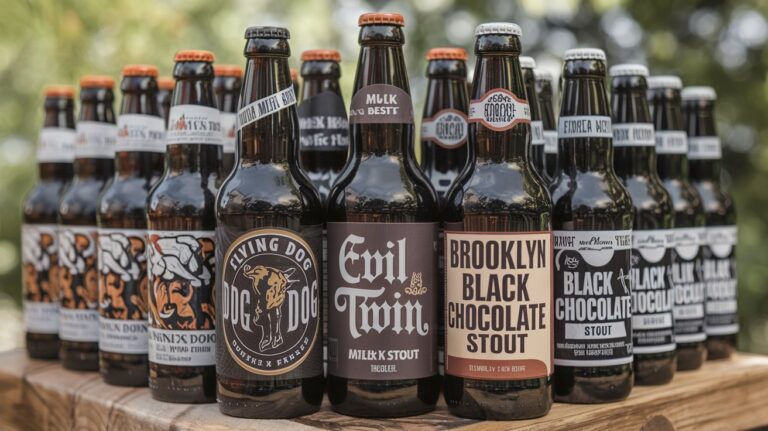
The American craft beer market features exceptional bourbon barrel aged imperial stouts from established and emerging breweries. Goose Island’s Bourbon County Stout remains the category benchmark, with annual releases generating significant collector interest and secondary market values reaching $50-200 per bottle for rare variants. Founders KBS (Kentucky Breakfast Stout) combines chocolate and coffee with bourbon barrel aging, achieving 98-point ratings from beer critics.
Emerging breweries like Side Project, Casey, and Anchorage have gained national recognition for innovative barrel aging programs. Side Project’s Derivation series commands $80-150 per bottle due to limited production and exceptional quality. Regional favorites include Bell’s Black Note, Great Divide Barrel Aged Hibernation, and Deschutes The Abyss, each offering distinct approaches to bourbon barrel aging with retail prices ranging from $15-35 per bottle.
Limited Release and Collectible Bottles
Annual limited release bourbon barrel stouts create significant enthusiasm among collectors and enthusiasts. Breweries typically announce release dates months in advance, with popular bottles selling out within hours. Goose Island’s Bourbon County variants, Founders CBS (Canadian Breakfast Stout), and Toppling Goliath Kentucky Brunch command premium prices due to limited quantities and exceptional quality ratings from beer publications.
Year-Round Available Options
Several breweries offer consistent year-round availability of barrel aged imperial stouts, making these complex beers accessible to broader audiences. Bell’s Black Note, Great Divide Oak Aged Yeti, and Samuel Smith’s Imperial Stout provide reliable options for newcomers to the style. These offerings typically feature 6-12 month barrel aging with retail prices between $12-25, representing excellent value for premium barrel aged beer experiences.
Flavor Profile and Tasting Notes
Bourbon barrel aged imperial stout presents complex layered flavors combining base stout characteristics with barrel-derived compounds. Primary flavors include rich chocolate, roasted coffee, dark fruit sweetness, and warming alcohol heat balanced by vanilla, caramel, oak tannins, and subtle bourbon spice. The mouthfeel ranges from full-bodied to syrupy, with carbonation levels typically lower than standard beers to emphasize flavor concentration.
Tasting reveals evolving flavor progression as the beer warms in the glass. Initial sips emphasize roasted malt complexity and alcohol warmth, followed by emerging vanilla and oak mid-palate, finishing with lingering bourbon spice and dark chocolate bitterness. Premium examples display remarkable balance between sweetness and bitterness, with no single element overwhelming the complex harmony achieved through expert blending and patient aging.
Food Pairing Recommendations
Bourbon barrel aged imperial stout pairs exceptionally with rich dessert courses and bold flavored foods that complement rather than compete with its intensity. Classic pairings include dark chocolate desserts, vanilla ice cream, crème brûlée, and bourbon-based desserts that echo the beer’s flavor profile. The beer’s sweetness and alcohol warmth also complement aged cheeses, particularly sharp cheddars, blue cheeses, and rich triple-cream varieties.
Savory pairings work well with barbecued meats, smoked brisket, and char-grilled steaks where the beer’s roasted characteristics enhance smoky flavors. Holiday desserts like bread pudding, pecan pie, and chocolate cake create harmonious combinations. The high alcohol content makes these beers suitable as digestifs, served in smaller portions alongside cigars or as contemplative sipping experiences.
Dessert Pairing Strategies
Strategic dessert pairing maximizes both beer and food experiences by matching complementary flavors and textures. Vanilla-forward barrel aged stouts pair beautifully with vanilla bean ice cream and custard-based desserts, while chocolate-dominant versions complement flourless chocolate cake and dark chocolate truffles. Consider temperature contrasts, serving warm desserts with properly chilled beer to create palate-cleansing effects.
Cheese and Charcuterie Combinations
Bourbon barrel aged stouts create sophisticated cheese board centerpieces when paired with appropriate selections. Aged cheddar’s sharpness contrasts beautifully with beer sweetness, while creamy blue cheeses echo the beer’s richness. Include dark chocolate, dried fruits, and toasted nuts to bridge flavors between beer and cheese, creating progressive tasting experiences that highlight both elements.
Serving Temperature and Glassware
Proper serving technique maximizes bourbon barrel aged stout appreciation through temperature control and appropriate glassware selection. Ideal serving temperature ranges from 50-55°F (10-13°C), significantly warmer than standard beers, allowing complex flavors to fully express while maintaining refreshing qualities. Colder temperatures mute aromatic compounds and emphasize alcohol heat, while warmer temperatures may over-emphasize sweetness and reduce perceived balance.
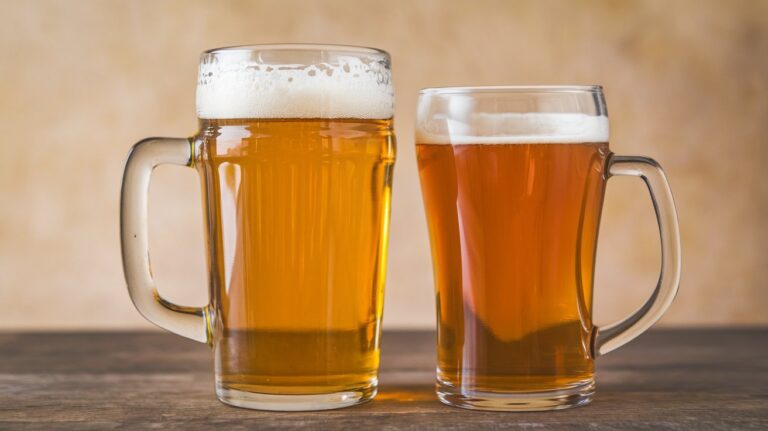
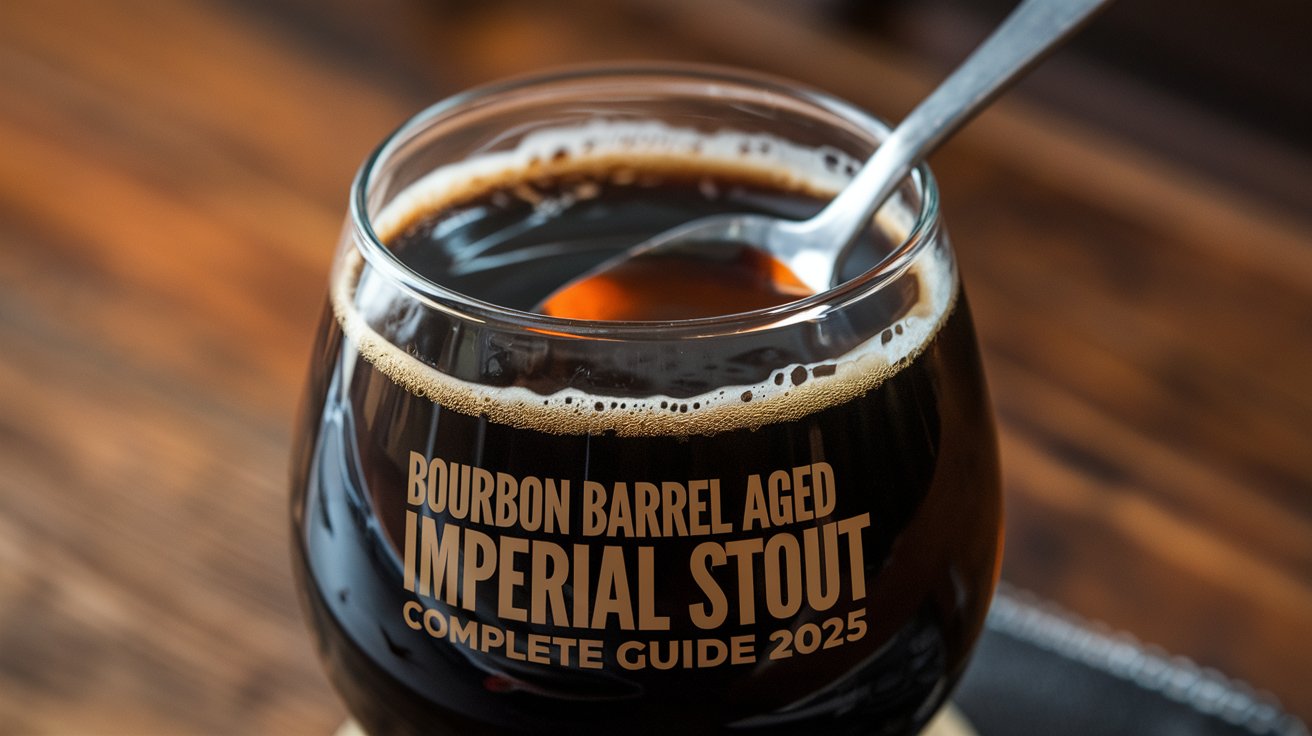
Glassware selection influences aroma concentration and flavor perception. Snifter glasses concentrate aromatics for optimal nose evaluation, while tulip glasses provide similar benefits with enhanced head retention. Pour sizes should be smaller than standard beers, typically 4-6 ounces, due to high alcohol content and flavor intensity. Allow the beer to warm gradually in the glass, experiencing flavor evolution as temperature increases during the tasting session.
Storage and Aging Potential
Bourbon barrel aged imperial stouts demonstrate excellent cellar aging potential when stored properly, with many examples improving for 2-5 years under optimal conditions. Store bottles upright in cool, dark environments with consistent temperatures between 50-60°F to prevent cork deterioration and minimize temperature fluctuations. Avoid light exposure and vibration, which can negatively impact flavor development over extended periods.
Well-made barrel aged stouts evolve during bottle aging, with harsh alcohol heat mellowing while complex flavor integration continues. Higher alcohol versions (12%+ ABV) typically age better than lower alcohol examples, with vintage variations creating interesting comparison opportunities. Track bottle dates and storage conditions to optimize drinking windows, though many examples remain enjoyable well beyond their theoretical peak aging periods.
Optimal Storage Conditions
Creating ideal beer cellar conditions requires consistent temperature control, humidity management, and light protection. Maintain 55-60% relative humidity to prevent cork drying while avoiding excessive moisture that encourages mold growth. Use wine refrigeration units or dedicated beer cellars for serious collectors, with backup temperature monitoring to prevent costly losses from equipment failures.
Aging Timeline and Peak Drinking Windows
Different bourbon barrel aged stouts reach optimal drinking windows at varying intervals based on alcohol content, barrel aging duration, and brewing techniques. High-alcohol variants (13%+ ABV) often improve for 3-7 years, while moderate strength versions (10-12% ABV) peak within 2-4 years. Maintain detailed cellar logs tracking purchase dates, storage conditions, and tasting notes to identify optimal consumption timing for specific bottles.
Where to Buy Bourbon Barrel Aged Imperial Stout
Premium bourbon barrel aged imperial stouts are available through specialized beer retailers, brewery taprooms, and limited online sources depending on state regulations. Total Wine, Binny’s Beverage Depot, and regional craft beer stores typically stock year-round options from major producers, while limited releases require pre-ordering or brewery visits during release events.
Many breweries offer bottle club memberships or allocation lists for rare releases, with annual fees ranging from $100-500 providing access to limited production bottles. Secondary markets exist through beer trading communities and auction sites, though prices often exceed retail by 200-500% for sought-after releases. Plan purchases around major release periods including Black Friday brewery events and anniversary celebrations when allocation bottles become available.
Related video about bourbon barrel aged imperial stout
This video complements the article information with a practical visual demonstration.
Frequently Asked Questions
How long does bourbon barrel aged imperial stout last once opened?
Once opened, bourbon barrel aged imperial stout maintains optimal flavor for 3-5 days when properly stored in the refrigerator with minimal air exposure. The high alcohol content (10-14% ABV) helps preserve the beer longer than standard styles, though carbonation loss and oxidation gradually impact flavor quality. Use vacuum wine preservation systems or pour remaining beer into smaller containers to minimize oxygen contact and extend drinkability up to one week.
What’s the difference between bourbon barrel aged and whiskey barrel aged stout?
Bourbon barrel aged stout specifically uses barrels that previously held American bourbon whiskey, which must be aged in new charred oak barrels and contain at least 51% corn mash. Whiskey barrel aged stouts may use barrels from various whiskey types including rye, scotch, or Irish whiskey, each imparting distinct flavor characteristics. Bourbon barrels typically provide vanilla, caramel, and sweet oak flavors, while other whiskey barrels contribute different spice profiles and wood characteristics based on their production requirements.
How much does quality bourbon barrel aged imperial stout cost?
Quality bourbon barrel aged imperial stout pricing varies significantly based on brewery reputation, limited availability, and aging duration. Year-round offerings from established breweries typically cost $15-35 per 22-ounce bottle, while limited releases range from $25-75 per bottle at retail. Ultra-premium single barrel releases and brewery-only bottles can command $50-200, with secondary market prices reaching $300-500 for highly sought-after vintages from acclaimed producers like Side Project, Casey, or rare Goose Island variants.
Can you age bourbon barrel aged imperial stout at home?
Yes, bourbon barrel aged imperial stout ages excellently at home when stored properly in cool, dark, stable conditions between 50-60°F. High alcohol content and low pH create favorable aging environments, with many examples improving over 2-7 years as harsh alcohol edges mellow and flavors integrate. Store bottles upright to prevent cork deterioration, avoid temperature fluctuations, and maintain detailed cellar records to track optimal drinking windows for different bottles and vintages.
What food pairs best with bourbon barrel aged imperial stout?
Bourbon barrel aged imperial stout pairs exceptionally with rich desserts including dark chocolate cake, vanilla ice cream, crème brûlée, and bourbon-based desserts that complement the beer’s flavor profile. Savory pairings work well with barbecued meats, smoked brisket, and aged cheeses like sharp cheddar or creamy blue cheese. The beer’s intensity requires bold flavors that won’t be overwhelmed, making it ideal for holiday desserts, chocolate truffles, and as a digestif alongside cigars.
Why are some bourbon barrel aged stouts so expensive?
Bourbon barrel aged stouts command premium prices due to extended production timelines, barrel acquisition costs, and limited production capacity. Breweries must purchase expensive bourbon barrels ($150-300 each), tie up tank space for 6-18 months during aging, and accept 10-15% volume loss through evaporation. Limited production runs, high demand from collectors, and the specialty nature of aged beer justify retail prices of $20-100+ per bottle, with rare releases becoming valuable collectibles in secondary markets.
| Key Aspect | Important Details | Benefit |
|---|---|---|
| Aging Duration | 6-18 months in bourbon barrels | Complex vanilla and oak flavors |
| Alcohol Content | 10-14% ABV typical range | Warming character and aging potential |
| Serving Temperature | 50-55°F for optimal flavor | Enhanced aroma and balanced taste |
| Storage Capability | 2-7 years cellar aging potential | Flavor integration and collection value |
| Price Range | $15-200+ per bottle depending on rarity | Options for all budgets and occasions |