Pale Ale Guide: Styles, Brewing & Best American Brands 2025
Pale ale represents one of America’s most beloved craft beer styles, characterized by its balanced hop flavor, golden to copper color, and moderate alcohol content ranging from 4.5% to 6.2% ABV. This hoppy beer style originated in England but has been revolutionized by American brewers who’ve created distinctive varieties using bold American hops, making it a cornerstone of the modern craft brewing movement across the United States.
What Is Pale Ale: Definition and Characteristics
Pale ale is a hop-forward beer style that falls between lighter lagers and darker stouts on the beer spectrum. The defining characteristics include a prominent hop aroma and flavor, balanced by a solid malt backbone that provides sweetness to counteract the hop bitterness. Modern American pale ales typically showcase citrusy, piney, or floral hop characteristics derived from American hop varieties like Cascade, Centennial, and Chinook.
The alcohol content of pale ale generally ranges from 4.5% to 6.2% ABV, making it more potent than most lagers but lighter than IPAs. The color spans from golden amber to deep copper, achieved through the use of pale and crystal malts. The International Bitterness Units (IBU) typically range from 30 to 50, providing noticeable hop character without overwhelming the palate.
History and Origins of Pale Ale
The pale ale style originated in England during the early 18th century when brewers began using coke-fired kilns to produce lighter-colored malts. This technological advancement allowed brewers to create beers with a pale golden color, distinguishing them from the darker porters and stouts that dominated the era. English pale ales were traditionally brewed with English hops like East Kent Goldings and Fuggles, creating earthy and floral flavor profiles.
American craft brewers revolutionized pale ale starting in the 1980s by incorporating bold American hop varieties. Sierra Nevada Pale Ale, launched in 1980, became the flagship example of American pale ale and helped establish the style’s popularity across the United States. Today, American pale ales are characterized by their aggressive hop character and citrusy aromatics, setting them apart from their English predecessors.
American vs English Pale Ale Styles
American pale ale and English pale ale represent two distinct interpretations of the same beer style, each reflecting their respective brewing traditions and available ingredients. American versions emphasize bold hop character using domestic hop varieties that impart citrus, pine, and tropical fruit flavors. The malt profile in American pale ales tends to be cleaner and less complex, allowing the hop character to dominate the flavor profile.
English pale ales traditionally feature a more balanced approach with earthy, floral hop characteristics from English hop varieties. The malt profile is often more complex, incorporating biscuity and caramel flavors that complement rather than contrast with the hop character. English versions typically have lower IBU levels and showcase traditional brewing techniques that emphasize drinkability over hop intensity.
Popular Pale Ale Brands in the United States
The American craft beer market features numerous outstanding pale ale brands that have gained national recognition. Sierra Nevada Pale Ale remains the benchmark for American pale ale, with over 40 years of consistent production and widespread availability across all 50 states. This iconic pale ale showcases Cascade hops and has influenced countless brewers to explore hop-forward beer styles.
Other notable American pale ale brands include Dogfish Head 60 Minute IPA, which bridges the gap between pale ale and IPA styles, and Three Floyds Alpha King, known for its aggressive hop character. Regional favorites like Boulevard Pale Ale from Kansas City and Oskar Blues Dale’s Pale Ale demonstrate how different breweries interpret the pale ale style while maintaining its core characteristics.
Brewing Process and Ingredients for Pale Ale
Brewing exceptional pale ale requires careful attention to ingredient selection and timing throughout the brewing process. The grain bill typically consists of 75-85% pale malt as the base, supplemented with crystal malts ranging from 40L to 120L to provide color and caramel sweetness. Some brewers incorporate small amounts of Munich or Vienna malt to add complexity to the malt profile while maintaining the beer’s pale appearance.
Hop selection and timing are crucial for achieving the characteristic pale ale flavor profile. American varieties like Cascade, Centennial, Amarillo, and Citra are popular choices for their citrusy and piney characteristics. The hopping schedule typically includes bittering additions early in the boil, flavor additions with 15-20 minutes remaining, and aroma additions in the final 5 minutes or during whirlpool to preserve volatile hop compounds.
Essential Malt Selection for Pale Ale
The malt foundation of pale ale relies on high-quality pale malt that provides fermentable sugars while contributing minimal color and flavor. Two-row pale malt is preferred by most commercial breweries for its superior enzyme content and clean flavor profile. Crystal malts ranging from 40L to 80L add caramel sweetness and body, while darker crystal malts up to 120L can provide toffee and raisin notes in more complex pale ale recipes.
Hop Varieties and Timing Techniques
Modern pale ale brewing emphasizes hop variety selection and precise timing to achieve optimal flavor and aroma characteristics. Cascade hops remain the gold standard for American pale ale, providing signature citrusy and floral notes. Centennial hops offer intense citrus character, while Amarillo contributes orange and tropical fruit flavors that have become increasingly popular in contemporary pale ale recipes.
Flavor Profile and Tasting Notes
A well-crafted pale ale presents a complex flavor profile that balances hop character with malt sweetness. The initial aroma typically features citrus, pine, or floral notes depending on hop varieties used, followed by subtle malt aromas of bread and caramel. The flavor begins with moderate malt sweetness that quickly gives way to hop bitterness and flavor, creating a dry finish that encourages another sip.
The mouthfeel of pale ale should be medium-bodied with moderate carbonation levels that enhance hop aromatics without overwhelming the palate. The finish is characteristically dry with lingering hop bitterness and subtle malt sweetness. Quality pale ales achieve harmony between these elements, avoiding excessive bitterness while maintaining sufficient hop character to distinguish the style.
Food Pairing Recommendations for Pale Ale
The versatile nature of pale ale makes it an excellent companion for a wide variety of foods, with its hop character cutting through rich flavors while its malt backbone complements savory dishes. Grilled meats, particularly burgers and barbecued pork, pair exceptionally well with American pale ales because the hop bitterness balances the richness of the meat while the caramel malt notes complement caramelized surfaces from grilling.
Spicy cuisine benefits from the cooling effect of pale ale’s carbonation and the way hop compounds interact with capsaicin to reduce heat perception. Mexican, Thai, and Indian dishes work particularly well with hop-forward pale ales. Sharp cheeses like aged cheddar and blue cheese create excellent pairings, as the hop character complements the intense flavors while the malt sweetness balances the saltiness.
Serving Temperature and Glassware
Proper serving temperature significantly impacts the flavor expression of pale ale, with the optimal range falling between 45-50°F (7-10°C). This temperature allows the hop aromatics to volatilize effectively while preventing the beer from becoming too cold and muting flavors. Serving pale ale too warm emphasizes alcohol and can make hop bitterness harsh, while serving too cold suppresses both hop and malt character.
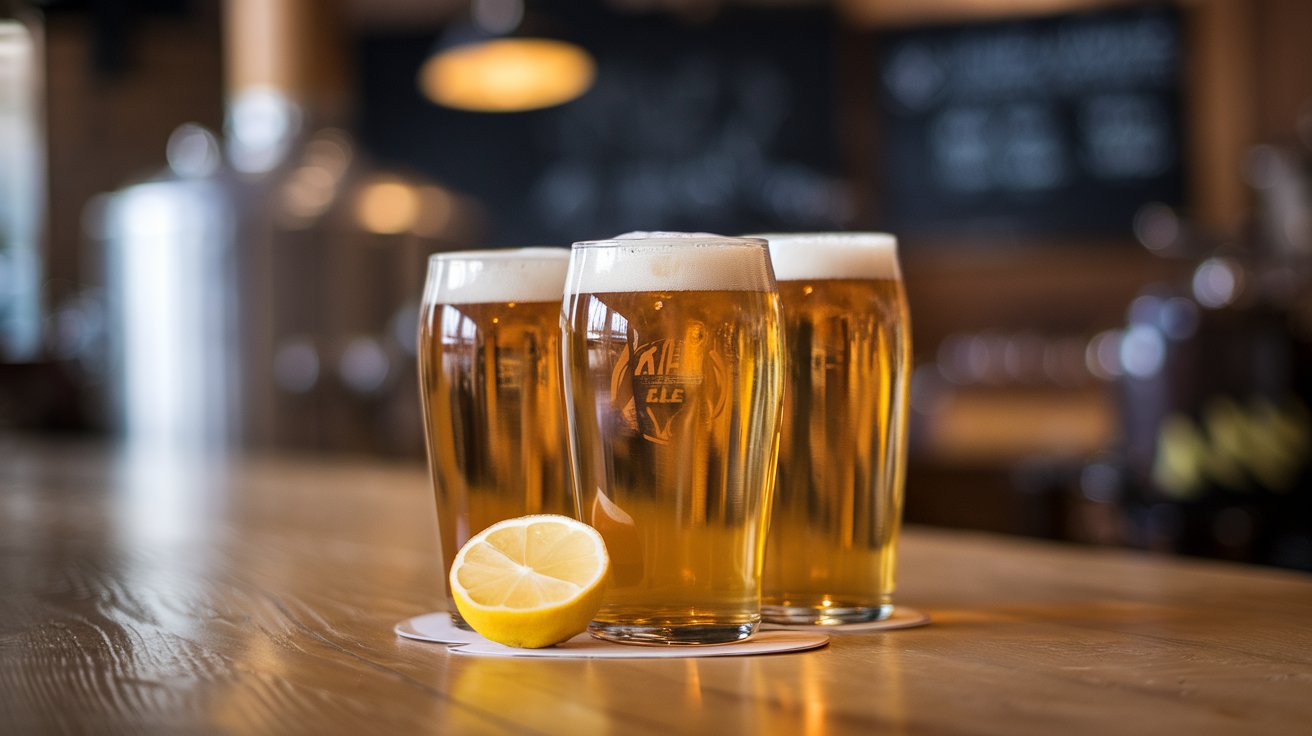
The choice of glassware enhances the pale ale drinking experience by concentrating aromatics and presenting the beer’s appearance effectively. The American pint glass remains popular for its practicality, while tulip glasses and snifters better concentrate hop aromatics. The nucleated bottom found in some specialty glassware helps maintain carbonation and creates an attractive foam head that carries hop compounds to the nose.
Pale Ale vs IPA: Understanding the Differences
Pale ale and India Pale Ale (IPA) share common origins but have evolved into distinct beer styles with different intensity levels and flavor profiles. The primary difference lies in hop character intensity, with IPAs featuring significantly higher IBU levels (typically 40-70) compared to pale ales (30-50 IBUs). Pale ales maintain better balance between malt and hop character, while IPAs emphasize hop dominance.
Alcohol content provides another distinguishing factor, with pale ales typically ranging from 4.5-6.2% ABV compared to IPAs at 5.5-7.5% ABV. The higher alcohol content in IPAs supports the intense hop character while providing additional body. Modern American pale ales serve as an approachable introduction to hop-forward beer styles, making them gateway beers for those transitioning from lighter lagers to more intense craft beer styles.
Health Considerations and Nutritional Information
Moderate consumption of pale ale can be part of a balanced lifestyle, with a typical 12-ounce serving containing approximately 150-180 calories and 12-15 grams of carbohydrates. The caloric content varies based on alcohol percentage and residual sugars, with higher-gravity pale ales containing more calories. The beer provides small amounts of B vitamins and minerals from the brewing ingredients, though it should not be considered a significant nutritional source.
Pale ale contains gluten from barley and wheat ingredients, making it unsuitable for individuals with celiac disease or gluten sensitivity. However, several breweries now produce gluten-free versions using alternative grains like rice, quinoa, or sorghum. The moderate alcohol content of pale ale makes it less likely to cause rapid intoxication compared to stronger beer styles, though responsible consumption remains important.
Storage and Freshness Tips
Proper storage significantly impacts the quality and longevity of pale ale, with hop-forward beers being particularly sensitive to light, heat, and oxygen exposure. Store pale ales in a cool, dark location with temperatures below 60°F to preserve hop character and prevent off-flavor development. Refrigeration extends shelf life and maintains optimal flavor, though many pale ales remain enjoyable for 3-4 months when stored properly at room temperature.
Light exposure causes skunking in pale ale due to hop compounds reacting with UV rays, making brown bottles preferable to clear or green glass. Canned pale ales offer superior protection from light and oxygen, often resulting in better flavor retention during storage. Always check packaging dates and consume pale ales as fresh as possible to experience their intended hop character and overall flavor profile.
Related video about pale ale
This video complements the article information with a practical visual demonstration.
What you should know
What makes pale ale different from regular beer?
Pale ale differs from regular beer primarily through its prominent hop character and balanced flavor profile. While mainstream lagers focus on clean, crisp flavors with minimal hop presence, pale ales feature significant hop aroma and bitterness balanced by caramel malt sweetness. The alcohol content is typically higher (4.5-6.2% ABV) than standard lagers, and the color ranges from golden to copper rather than pale yellow.
How strong is pale ale compared to other beer styles?
Pale ale falls in the moderate strength category with 4.5-6.2% ABV, making it stronger than most lagers (3.5-5% ABV) but lighter than IPAs (5.5-7.5% ABV) and stouts (4-8% ABV). This moderate alcohol content makes pale ale approachable for casual drinking while providing more flavor complexity than lighter beer styles. The strength level allows the hop and malt flavors to shine without being overwhelmed by alcohol heat.
Can I brew pale ale at home?
Home brewing pale ale is achievable for beginners and remains popular among experienced brewers due to the style’s forgiving nature and ingredient availability. Basic equipment includes a fermenter, airlock, and bottling supplies, with ingredient costs typically ranging from $25-40 per 5-gallon batch. Success requires attention to hop timing, fermentation temperature control (65-70°F), and proper sanitation. Many homebrew supply stores offer pale ale recipe kits that simplify the process.
What foods pair best with pale ale?
Pale ale pairs excellently with grilled meats, spicy cuisine, and sharp cheeses due to its balanced hop and malt character. The hop bitterness cuts through rich, fatty foods like burgers and barbecue, while the malt sweetness complements caramelized flavors from grilling. Spicy dishes benefit from the carbonation and hop compounds that reduce heat perception. Strong cheeses like aged cheddar create excellent pairings as the hop character complements intense flavors.
How long does pale ale stay fresh?
Pale ale maintains optimal flavor for 3-4 months when stored properly in cool, dark conditions, though hop character begins diminishing after 6-8 weeks. Refrigeration extends freshness and preserves hop aromatics better than room temperature storage. Canned pale ales typically stay fresh longer than bottled versions due to better protection from light and oxygen. Always check packaging dates and consume as fresh as possible to experience the intended hop character and overall flavor profile.
Is pale ale suitable for beer beginners?
Pale ale serves as an excellent gateway beer for those transitioning from lighter lagers to craft beer styles. The moderate alcohol content (4.5-6.2% ABV) and balanced flavor profile make it less intimidating than stronger IPAs while providing more complexity than standard lagers. The hop character introduces drinkers to craft beer flavors without overwhelming bitterness, and the wide availability ensures easy access to quality examples from various breweries.
| Key Aspect | Important Details | Benefit |
|---|---|---|
| Alcohol Content | 4.5-6.2% ABV moderate strength | Approachable for casual drinking |
| Hop Character | Citrusy, piney, floral aromatics | Gateway to craft beer styles |
| Food Pairing | Versatile with grilled meats, spicy food | Enhances dining experiences |
| Availability | Widely distributed across US market | Easy access to quality examples |