American Wheat Beer: Complete Guide to US Craft Brewing 2025
American wheat beer represents one of the most refreshing and accessible beer styles in the United States craft brewing scene. Characterized by its smooth, light body and subtle flavors, wheat beer has gained tremendous popularity among American brewers and consumers alike, accounting for approximately 8% of all craft beer production in 2024.
What Makes American Wheat Beer Unique
American wheat beer differs significantly from its German and Belgian counterparts through its distinctive brewing approach and flavor profile. American brewers typically use 30-70% wheat malt in their grain bill, creating a characteristically smooth and creamy mouthfeel. The style emerged in the 1980s as American craft brewers began experimenting with traditional European wheat beer recipes, adapting them to local tastes and ingredients.
Unlike traditional German Hefeweizen, American wheat beer often features cleaner fermentation profiles with less emphasis on phenolic and ester character. Many American breweries also incorporate unique hop varieties native to the Pacific Northwest, adding subtle citrus and floral notes that distinguish these beers from their Old World predecessors. The alcohol content typically ranges from 4.0% to 5.5% ABV, making it an ideal session beer for American consumers.
Popular American Wheat Beer Styles
The American wheat beer category encompasses several distinct sub-styles that have evolved within the US craft brewing landscape. Each style offers unique characteristics while maintaining the fundamental wheat beer foundation that defines this beer category.
American Pale Wheat Beer
American Pale Wheat Beer represents the most common interpretation of wheat beer in the United States. These beers feature a pale golden color with moderate hop presence, typically showcasing American hop varieties like Cascade, Centennial, or Citra. The wheat content usually comprises 30-50% of the grain bill, providing smoothness without overwhelming the hop character. Notable examples include Bell’s Oberon and Boulevard Unfiltered Wheat Beer, both of which have helped define this style since the 1990s.
American Dark Wheat Beer
American Dark Wheat Beer incorporates darker malts like chocolate or caramel malt alongside the wheat base, creating beers with amber to dark brown coloration. These beers maintain the smooth wheat character while adding complexity through roasted flavors and deeper malt sweetness. Samuel Adams Cherry Wheat and Pyramid Curve Ball exemplify this style, offering rich flavor profiles that appeal to consumers seeking more robust wheat beer experiences.
Fruited American Wheat Beer
Fruited American wheat beer has become increasingly popular, with brewers adding everything from traditional citrus fruits to exotic tropical varieties. The wheat base provides an ideal canvas for fruit additions, as its mild flavor allows fruit characteristics to shine through without competition. Seasonal releases featuring peach, raspberry, and mango have become staples at many American craft breweries, with some achieving year-round distribution due to consumer demand.
Top American Wheat Beer Breweries
The American wheat beer market is dominated by several key breweries that have established themselves as leaders in quality and innovation. These breweries have helped shape consumer expectations and continue to drive style evolution through experimental releases and seasonal offerings.
National Craft Brewery Leaders
Bell’s Brewery in Michigan has achieved nationwide recognition for Oberon, their flagship wheat beer that launched in 1992 and now represents over 40% of their total production volume. Boulevard Brewing Company’s Unfiltered Wheat Beer serves as another benchmark, selling over 200,000 barrels annually and maintaining consistent quality across all 50 states. New Belgium Brewing’s various wheat beer offerings, including their seasonal fruit wheat series, demonstrate how established breweries continue innovating within this style category.
Regional Wheat Beer Specialists
Regional breweries have carved out significant market share by focusing on American wheat beer excellence within their distribution territories. Three Floyds Brewing produces Gumballhead, a wheat beer that has achieved cult status throughout the Midwest. Abita Brewing Company’s Purple Haze has dominated the Southern market since 1995, while Widmer Brothers’ Hefeweizen helped establish the Pacific Northwest as a major wheat beer region during the craft beer revolution of the 1980s.
Brewing Process and Ingredients
The production of American wheat beer requires specific techniques and ingredients that distinguish it from other beer styles. Understanding these brewing fundamentals helps appreciate the complexity behind seemingly simple wheat beers and explains why quality can vary significantly between producers.
Malt Bill and Grain Selection
A typical American wheat beer malt bill consists of 30-70% wheat malt combined with base malts like Pilsner or American two-row. The wheat malt contributes proteins that create the characteristic smooth mouthfeel and often hazy appearance. Many American brewers prefer white wheat over red wheat varieties, as white wheat provides cleaner flavors that better complement hop additions. Specialty malts like Munich or Vienna may comprise 5-15% of the grain bill to add complexity and color depth.
Hop Selection and Usage
Hop selection in American wheat beer focuses on varieties that complement rather than overpower the wheat character. Popular choices include Cascade for citrus notes, Willamette for floral character, and newer varieties like Mosaic or Citra for tropical fruit aromatics. Most wheat beers feature hop additions primarily during the final 15 minutes of boiling, with dry hopping becoming increasingly common for enhanced aroma. International Bittering Units typically range from 10-25 IBUs, maintaining balance with the malt sweetness.
Flavor Profile and Tasting Notes
American wheat beer offers a distinctive sensory experience that combines the smoothness of wheat with the innovation of American brewing. Professional tasters and consumers recognize specific characteristics that define quality examples of this style, making educated evaluation possible for both novice and experienced beer drinkers.
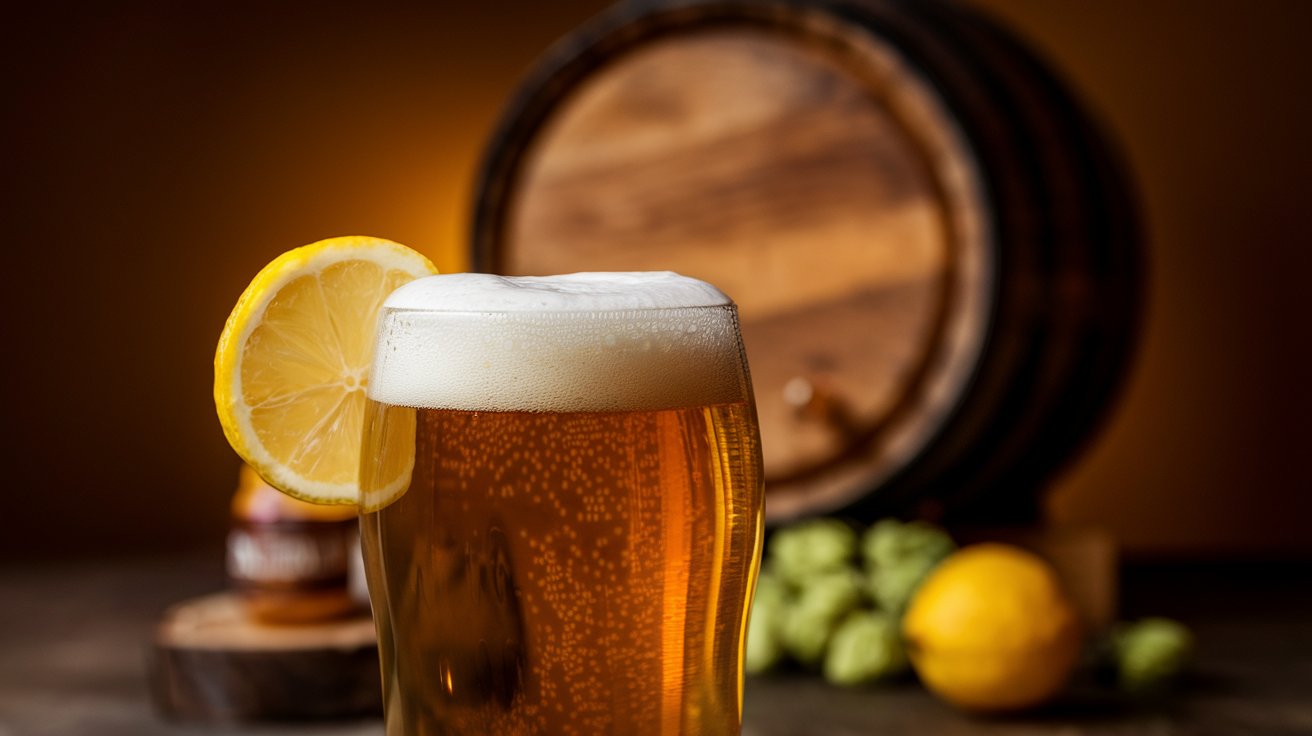
The aroma typically presents clean wheat notes with subtle hop character, often accompanied by light fruity esters depending on yeast selection. Visual appearance ranges from pale straw to deep gold, with many examples displaying slight haze due to wheat proteins. The mouthfeel remains consistently smooth and often creamy, with moderate carbonation levels that enhance drinkability without overwhelming the palate.
Food Pairing Recommendations
American wheat beer pairs exceptionally well with a wide range of foods due to its balanced flavor profile and refreshing character. The smooth wheat base and moderate hop presence make it versatile enough for both casual dining and sophisticated culinary experiences.
Light seafood dishes, particularly grilled fish and shellfish, complement the clean finish of wheat beer without competing with delicate flavors. Salads with citrus-based dressings, especially those featuring fruits or nuts, create harmonious pairings that highlight both food and beverage components. Spicy cuisines, including Mexican and Thai dishes, benefit from wheat beer’s cooling properties and ability to cleanse the palate between bites.
Market Trends and Consumer Preferences 2024-2025
The American wheat beer market has experienced significant evolution throughout 2024, with several trends shaping consumer preferences and brewery production decisions. Industry data indicates that wheat beer consumption has grown by 12% compared to 2023, driven primarily by increased interest in sessionable and approachable beer styles.
Seasonal fruit additions have become increasingly sophisticated, with breweries experimenting beyond traditional citrus fruits to incorporate exotic options like dragon fruit, passion fruit, and guava. Low-alcohol and non-alcoholic wheat beer variants have gained traction, accounting for nearly 8% of total wheat beer sales in 2024. Sustainability initiatives have also influenced brewing practices, with many wheat beer producers adopting organic wheat sourcing and water conservation techniques.
Storage and Serving Guidelines
Proper storage and serving of American wheat beer significantly impacts the drinking experience and flavor preservation. Unlike some beer styles that benefit from aging, wheat beers perform best when consumed fresh, typically within 90-120 days of packaging for optimal flavor retention.
Storage temperature should remain between 35-40°F in a dark environment, as light exposure can create off-flavors particularly noticeable in wheat beers due to their typically light color. Serving temperature of 38-45°F allows the wheat character to express fully while maintaining refreshing qualities. Many wheat beers benefit from gentle swirling before pouring to redistribute settled yeast and proteins, though this varies by specific product and brewery filtration practices.
Related video about american wheat beer
This video complements the article information with a practical visual demonstration.
Most asked questions about american wheat beer
What percentage of wheat is used in American wheat beer?
American wheat beer typically contains 30-70% wheat malt in the grain bill, with most commercial examples using 40-60%. This percentage provides the characteristic smooth mouthfeel and slight haze while maintaining sufficient enzymatic power from base malts for proper conversion during brewing.
How does American wheat beer differ from German Hefeweizen?
American wheat beer generally features cleaner yeast character with less banana and clove flavors compared to German Hefeweizen. American versions often incorporate more hop character and may include fruit additions, while German styles emphasize traditional yeast-derived phenolic and ester compounds from specific Weizen yeast strains.
What are the best American wheat beer brands to try?
Top American wheat beer brands include Bell’s Oberon, Boulevard Unfiltered Wheat, New Belgium Snapshot, and Samuel Adams Summer Ale. These brands represent different regional interpretations and offer excellent introductions to American wheat beer styles, with consistent availability across multiple states.
Can American wheat beer be aged like other beer styles?
American wheat beer is best consumed fresh and does not typically improve with aging. Most examples should be consumed within 3-4 months of packaging for optimal flavor. The delicate wheat character and hop aromatics fade over time, making fresh consumption essential for the intended drinking experience.
What foods pair best with American wheat beer?
American wheat beer pairs excellently with light seafood, grilled chicken, summer salads, and spicy cuisines. The smooth wheat character and moderate hop presence complement rather than compete with food flavors, making it particularly suitable for outdoor dining and casual food pairings throughout spring and summer months.
| Key Aspect | Important Details | Benefit |
|---|---|---|
| Wheat Content | 30-70% wheat malt in grain bill | Smooth, creamy mouthfeel |
| Alcohol Range | 4.0-5.5% ABV typical range | Sessionable, approachable drinking |
| Market Growth | 12% increase in 2024 consumption | Expanding availability nationwide |
| Serving Temperature | 38-45°F optimal serving range | Enhanced flavor expression |