Wheat Beer Guide: Styles, Brewing & Top US Brands 2025
Wheat beer represents one of America’s most beloved beer styles, characterized by its smooth texture, cloudy appearance, and refreshing taste. This comprehensive guide explores everything from traditional German Hefeweizen to modern American wheat beer innovations, helping you discover the perfect wheat beer for every occasion in 2025.
What is Wheat Beer: Understanding the Basics
Wheat beer is a beer style that incorporates a significant proportion of wheat in addition to traditional malted barley. Unlike standard beers that use primarily barley malt, wheat beers contain at least 30-50% wheat in their grain bill, creating their distinctive cloudy appearance and smooth mouthfeel. The proteins and starches from wheat create a naturally hazy appearance that sets these beers apart from clear lagers and ales.
The brewing process for wheat beer involves special techniques to accommodate wheat’s unique properties. Wheat contains more protein than barley and lacks the husks that aid in filtration, making the brewing process more challenging but ultimately rewarding. Modern American breweries have embraced wheat beer production, with over 3,200 craft breweries nationwide producing various wheat beer styles as of 2024.
Popular Wheat Beer Styles
The world of wheat beer encompasses several distinct styles, each with unique characteristics and brewing traditions. Understanding these styles helps beer enthusiasts appreciate the diversity within the wheat beer category and make informed choices based on personal preferences.
German Hefeweizen
Hefeweizen represents the most traditional wheat beer style, originating in Bavaria and accounting for approximately 40% of wheat beer consumption in the United States. This unfiltered wheat beer typically contains 50-60% wheat and features distinctive banana and clove flavors produced by special Weizen yeast strains. American craft breweries like Sierra Nevada and Bell’s have perfected their Hefeweizen recipes, maintaining authenticity while adapting to local tastes.
Belgian Witbier
Witbier or white beer offers a spicier alternative to German wheat beers, traditionally brewed with coriander and orange peel. This style experienced a renaissance in America during the craft beer boom, with brands like Blue Moon popularizing the style nationwide. Modern American witbiers often incorporate local spices and citrus, creating unique regional variations that reflect local flavor preferences and ingredient availability.
American Wheat Beer
American wheat beer represents a cleaner, more neutral interpretation of traditional wheat styles, often showcasing American hop varieties. These beers typically feature less yeast character than German or Belgian styles, allowing the wheat’s smooth texture to shine through. Popular examples include Samuel Adams Summer Ale and Goose Island 312, which have helped establish American wheat beer as a distinct category in the global beer market.
Top Wheat Beer Brands in America 2025
The American wheat beer market features both established giants and innovative craft breweries pushing style boundaries. Market data from 2024 shows wheat beer sales increased 8% year-over-year, driven by consumer preference for lighter, more approachable beer styles.
National Wheat Beer Leaders
Blue Moon continues to dominate the American wheat beer market with approximately 35% market share, followed by Shock Top and Leinenkugel’s Summer Shandy. These mainstream brands have introduced millions of Americans to wheat beer, serving as gateway beers that often lead consumers to explore craft wheat beer options. Their widespread availability in supermarkets and restaurants makes wheat beer accessible to casual beer drinkers nationwide.
Craft Wheat Beer Excellence
Craft breweries have elevated wheat beer through innovative ingredients and brewing techniques, with standout examples including Bell’s Oberon, Three Floyds Gumballhead, and The Alchemist Focal Banger. These craft wheat beers often incorporate unique hop varieties, fruit additions, or barrel aging to create complex flavor profiles. The craft wheat beer segment grew 12% in 2024, outpacing overall beer market growth and reflecting consumer appreciation for quality and innovation.
Brewing Wheat Beer: Techniques and Challenges
Brewing exceptional wheat beer requires specialized knowledge and techniques to handle wheat’s unique properties. Professional brewers must navigate challenges including protein haze management, stuck mashes, and yeast selection to create the smooth, flavorful beers consumers expect.
The milling process for wheat beer requires careful attention, as wheat’s lack of husks can create filtration issues during lautering. Many breweries use rice hulls or specialized mashing techniques to maintain proper flow rates. Temperature control during fermentation proves critical for developing desired flavor compounds, particularly in traditional styles where yeast character defines the beer’s identity.
Perfect Food Pairings with Wheat Beer
Wheat beer’s versatility makes it an excellent food pairing companion, complementing everything from light salads to hearty barbecue dishes. The beer’s moderate alcohol content (typically 4.5-5.5% ABV) and smooth texture provide a refreshing counterpoint to spicy, rich, or heavily seasoned foods.
Classic pairings include wheat beer with seafood, particularly grilled fish, shrimp, and oysters, where the beer’s citrus notes enhance oceanic flavors. Spicy cuisines like Thai, Mexican, and Indian benefit from wheat beer’s cooling effect and ability to cleanse the palate between bites. For casual dining, wheat beer pairs excellently with pizza, burgers, and summer barbecue fare, making it a popular choice for outdoor gatherings and sports events.
Health Benefits and Nutritional Profile
Wheat beer offers several potential health benefits when consumed in moderation, including B vitamins, silicon for bone health, and antioxidants from wheat and hops. A standard 12-ounce serving contains approximately 150-170 calories and 12-15 grams of carbohydrates, making it comparable to other beer styles in terms of nutritional content.
The unfiltered nature of many wheat beers means they retain more nutrients than heavily processed beers, including protein, vitamins, and minerals from the wheat and yeast. However, individuals with gluten sensitivity should note that wheat beer contains gluten and may not be suitable for those with celiac disease, despite some breweries offering gluten-reduced wheat beer options using specialized enzymes.
Serving and Storage Best Practices
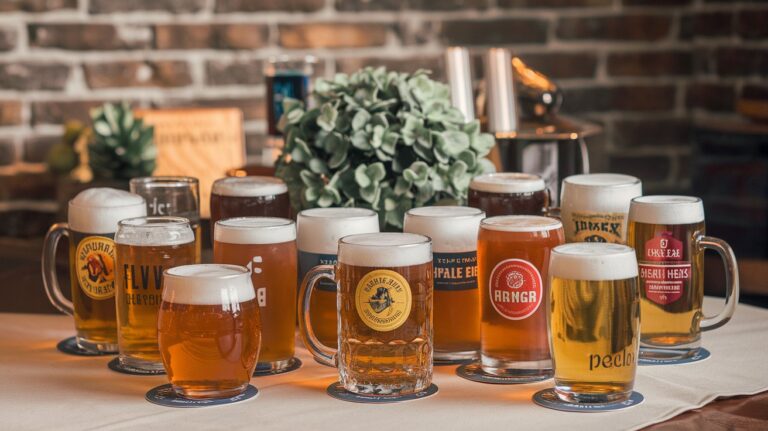
Proper serving techniques enhance wheat beer’s appearance, aroma, and flavor presentation. Most wheat beers should be served at 38-45°F in appropriate glassware, typically a tall wheat beer glass or weizen glass that showcases the beer’s cloudy appearance and maintains its foamy head.
Storage considerations for wheat beer include protecting bottles from light exposure and maintaining consistent cool temperatures. Unlike some beer styles that benefit from aging, wheat beers are best consumed fresh, ideally within 3-4 months of packaging for optimal flavor and aroma. Many craft wheat beers include packaging dates to help consumers enjoy them at peak freshness, as the delicate wheat and hop flavors can fade over time.
Related video about wheat beer
This video complements the article information with a practical visual demonstration.
Most asked questions about wheat beer
What makes wheat beer cloudy and different from regular beer?
Wheat beer’s cloudy appearance comes from the high protein content in wheat and the presence of suspended yeast in unfiltered varieties. Unlike regular beer made primarily from barley malt, wheat beer contains 30-50% wheat in the grain bill, creating more proteins and starches that remain in suspension, producing the characteristic hazy appearance and smooth texture.
Is wheat beer gluten-free and safe for people with celiac disease?
Traditional wheat beer contains gluten and is not safe for people with celiac disease, as wheat is one of the primary gluten-containing grains. However, some breweries now produce gluten-reduced wheat beers using enzymes that break down gluten proteins, though these may still contain trace amounts and aren’t recommended for those with severe gluten sensitivity.
What’s the alcohol content of most wheat beers?
Most wheat beers have an alcohol by volume (ABV) range of 4.5-5.5%, making them moderate-strength beers similar to many lagers and pale ales. German Hefeweizens typically fall on the lower end at 4.5-5.2% ABV, while American wheat beers and some Belgian styles may reach 5.0-5.5% ABV, with specialty or barrel-aged versions sometimes exceeding 6% ABV.
How should I serve wheat beer for the best taste experience?
Serve wheat beer chilled at 38-45°F in a tall wheat beer glass or weizen glass to showcase its appearance and maintain the foamy head. Pour slowly down the side of the glass initially, then finish with a straight pour to create proper head formation. If the beer is bottle-conditioned with yeast sediment, you can either leave the yeast in the bottle or swirl it in for added flavor and nutrients.
What foods pair best with wheat beer?
Wheat beer pairs excellently with seafood, spicy cuisines, salads, and light summer fare. The beer’s smooth texture and citrusy notes complement grilled fish, Thai food, Mexican dishes, and barbecue. Its refreshing quality makes it perfect with pizza, burgers, and outdoor dining. The moderate alcohol content and clean finish cleanse the palate between bites of rich or spicy foods.
How long does wheat beer stay fresh after purchase?
Wheat beer is best consumed fresh, ideally within 3-4 months of packaging for optimal flavor and aroma. Store bottles in a cool, dark place away from light exposure, which can create off-flavors. Unlike some beer styles that improve with age, wheat beer’s delicate wheat and hop flavors are most pronounced when fresh, making it important to check packaging dates when purchasing.
| Wheat Beer Aspect | Key Details | Consumer Benefit |
|---|---|---|
| Ingredients | 30-50% wheat content with barley malt | Smooth texture and naturally cloudy appearance |
| Alcohol Content | 4.5-5.5% ABV typical range | Moderate strength perfect for social drinking |
| Flavor Profile | Clean, refreshing with citrus and spice notes | Versatile pairing with various foods |
| Market Growth | 8% increase in sales during 2024 | Growing availability and style innovation |
| Best Consumption | Fresh within 3-4 months of packaging | Optimal flavor and aroma experience |