New England Style IPA Guide: History, Brewing & Top Picks 2025
New England Style IPA, often called hazy IPA or NEIPA, revolutionized American craft brewing with its juicy, tropical flavor profile and cloudy appearance. Unlike traditional West Coast IPAs, New England IPAs emphasize hop aroma and flavor over bitterness, creating a smooth, fruit-forward drinking experience that has captivated beer enthusiasts nationwide since its emergence in Vermont breweries.
What Makes New England Style IPA Unique
The New England IPA style distinguishes itself through several key characteristics that set it apart from traditional IPAs. Most notably, these beers feature a deliberately hazy, almost opaque appearance that ranges from pale straw to deep orange. This cloudiness results from specific brewing techniques including high protein grains, suspended hop particles, and specialized yeast strains that create the signature turbid look.
The flavor profile emphasizes tropical fruit flavors like mango, pineapple, and citrus, achieved through generous late-addition hop schedules and dry-hopping techniques. Unlike West Coast IPAs that prioritize bitter finish, New England IPAs maintain a smooth, creamy mouthfeel with minimal perceived bitterness, typically ranging from 25-60 IBUs despite using substantial hop quantities.
Brewing Process and Techniques
The brewing process for New England IPA requires precise timing and specialized techniques to achieve the characteristic haze and flavor profile. Brewers employ extensive dry-hopping during active fermentation, adding hops multiple times throughout the process. This technique, called biotransformation, allows yeast to interact with hop compounds, creating unique tropical esters and enhancing the juicy character that defines hazy IPA brewing.
Key Ingredients and Hop Varieties
Successful New England IPA recipes typically feature hop varieties like Citra, Mosaic, Galaxy, and Amarillo, chosen for their intense tropical and citrus aromatics rather than alpha acid content. The grain bill often includes high-protein wheats and oats, contributing to the creamy mouthfeel and haze stability. Water chemistry plays a crucial role, with many brewers adjusting mineral content to enhance hop expression while minimizing harsh bitterness.
History and Origins of New England IPA
The New England IPA origin story begins in Vermont during the early 2010s, primarily attributed to breweries like Hill Farmstead and The Alchemist. John Kimmich’s Heady Topper, released in 2003, served as an early precursor with its emphasis on hop aroma over bitterness, though it wasn’t initially intended to be hazy. The style truly emerged when brewers began deliberately creating cloudy, juice-like IPAs that prioritized drinkability and hop flavor.
By 2015, the hazy IPA movement had spread beyond Vermont, with Massachusetts breweries like Tree House and Trillium perfecting the style and creating unprecedented demand. The Beer Judge Certification Program officially recognized New England IPA as a distinct style in 2018, cementing its place in American craft beer history. Today, over 8,500 American breweries produce some variation of New England IPA, making it one of the fastest-growing beer styles.
Flavor Profile and Tasting Notes
The New England IPA flavor profile centers around intense hop aromatics that translate into a juice-like drinking experience. Primary flavors include tropical fruits such as passion fruit, guava, and papaya, complemented by citrus notes of grapefruit, orange, and lime zest. The mouthfeel remains creamy and full-bodied, often described as pillowy or soft, contrasting sharply with the crisp, dry finish of traditional IPAs.
When tasting hazy IPAs, expect minimal bitterness upfront, allowing the hop flavors to dominate the palate. The finish typically features lingering fruit character with subtle sweetness from residual sugars and hop-derived compounds. Alcohol content generally ranges from 6.0-8.5% ABV, though double and triple versions can exceed 10% while maintaining the style’s characteristic smoothness and drinkability.
Aroma Characteristics
The aroma profile of New England IPA serves as its most defining characteristic, often described as opening a bag of tropical fruit. Fresh examples should display intense hop aromatics including stone fruit, citrus peel, and floral notes. The best examples maintain aroma intensity for weeks when properly stored, though hop aromatics naturally fade over time, making freshness crucial for optimal enjoyment.
Visual Appearance Standards
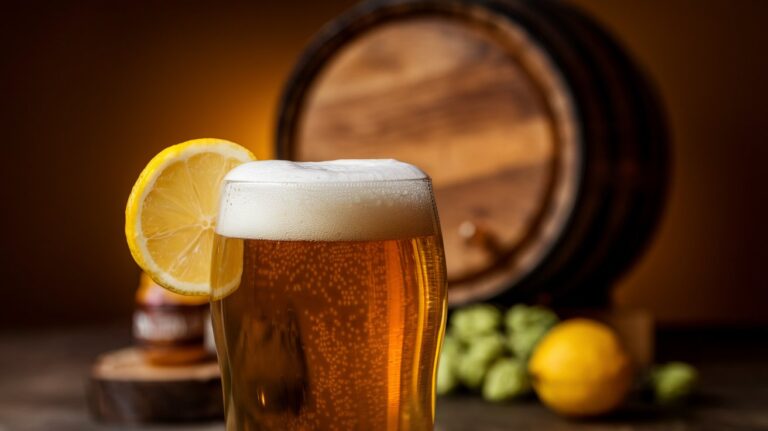
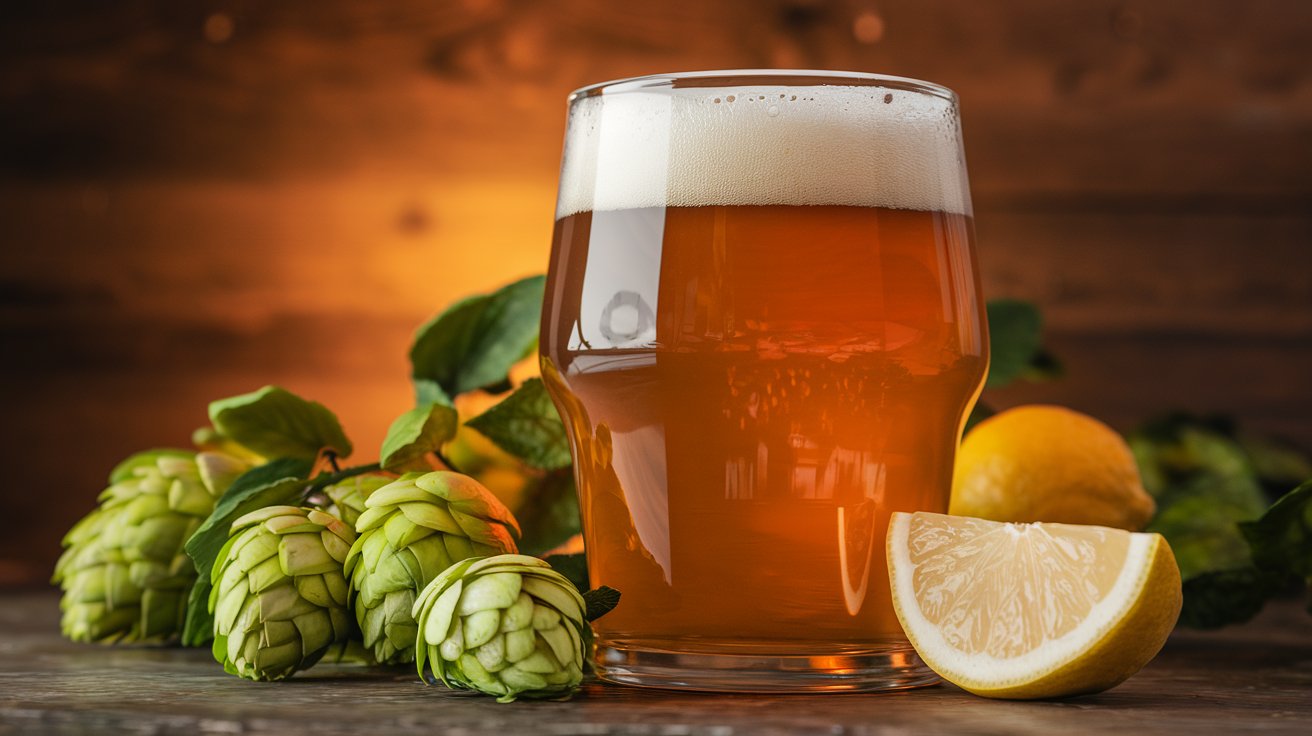
Proper New England IPA appearance ranges from slightly hazy to completely opaque, with colors spanning pale gold to deep amber. The haze should appear stable and uniform rather than chunky or separated. A persistent, dense white to off-white foam head indicates proper protein levels and carbonation, while the liquid should have an almost creamy, viscous appearance that suggests the full mouthfeel to follow.
Top New England IPA Breweries in 2025
The best New England IPA breweries continue to push the style’s boundaries while maintaining the core characteristics that define the category. Vermont’s Hill Farmstead remains the gold standard, with their Susan and Edward releases consistently ranking among the world’s best IPAs. Tree House Brewing in Massachusetts maintains cult-like following for releases like Julius and Green, often drawing long lines for limited releases.
Trillium Brewing Company has expanded significantly while maintaining quality across their hazy IPA lineup, with locations throughout New England. Other Industry, based in Massachusetts, has gained recognition for their innovative hop combinations and consistent quality. Many of these breweries limit distribution to maintain freshness, making brewery visits essential for experiencing peak flavor profiles.
Serving and Storage Guidelines
Proper New England IPA serving requires attention to temperature, glassware, and timing to maximize the style’s unique characteristics. Serve between 38-42°F in tulip glasses or IPA-specific glassware that concentrates aromatics while allowing proper head formation. Pour gently to maintain the haze suspension while creating adequate foam to release hop volatiles.
Storage proves critical for hazy IPA freshness, as the style degrades more rapidly than traditional IPAs. Keep refrigerated consistently, consume within 4-6 weeks of packaging for optimal flavor, and avoid temperature fluctuations that can cause haze instability. Many breweries now include canning dates to help consumers track freshness, with some premium examples maintaining quality for 2-3 months when properly stored.
Optimal Serving Temperature
The ideal temperature for New England IPA falls between 38-42°F, slightly warmer than standard lagers but cooler than many ales. This temperature range allows hop aromatics to express fully while maintaining the creamy mouthfeel. Serving too cold can mute hop character, while excessive warmth can make the beer seem cloying and emphasize alcohol heat over fruit flavors.
Glassware Selection
Choose proper glassware for hazy IPA to enhance the drinking experience through shape and design. Tulip glasses, goblets, or specialized IPA glasses work best by concentrating aromatics while providing adequate surface area for head formation. Avoid straight-sided pint glasses that don’t capture aromatics effectively, and ensure glasses are completely clean to prevent head dissipation and off-flavors.
New England IPA vs Other IPA Styles
Comparing New England IPA vs West Coast IPA reveals fundamental differences in brewing philosophy and flavor outcomes. West Coast IPAs emphasize hop bitterness and pine/resin character with crystal-clear appearance, while New England IPAs prioritize hop aroma and tropical fruit flavors with deliberate haze. Bitterness levels differ significantly, with West Coast styles often exceeding 70 IBUs compared to New England’s typical 25-60 IBU range.
Session IPA vs New England IPA comparison shows different approaches to drinkability. Session IPAs achieve lower alcohol content (typically 3-5% ABV) while maintaining hop character, whereas New England IPAs achieve smoothness through brewing techniques and ingredients rather than reduced alcohol. Both styles prioritize drinkability but through different methodologies and target different consumption occasions.
Food Pairing Recommendations
The New England IPA food pairing opportunities span diverse cuisines due to the style’s fruit-forward character and low bitterness. Tropical fruit flavors complement spicy Asian dishes, Mexican cuisine, and seafood preparations. The beer’s creamy texture and hop aromatics work particularly well with rich, fatty foods like barbecued pork, fried chicken, and strong cheeses that benefit from the hop oils’ palate-cleansing properties.
For dessert pairings, hazy IPA complements fruit-based desserts, particularly those featuring citrus or tropical fruits. The beer’s natural fruit character enhances rather than competes with dessert flavors. Avoid pairing with delicate dishes where the intense hop aromatics might overpower subtle flavors, though the style’s low bitterness makes it more versatile than traditional IPAs for diverse culinary applications.
Home Brewing New England IPA
Successfully home brewing New England IPA requires attention to specific techniques and ingredients that create the style’s signature characteristics. Start with a grain bill featuring 10-20% wheat or oats for protein content and mouthfeel, use soft water with low mineral content, and select yeast strains like London Ale III or Vermont Ale that contribute to the hazy appearance and fruity esters.
The dry hopping schedule proves crucial for achieving authentic New England IPA character. Add hops during active fermentation for biotransformation effects, followed by additional dry hop additions post-fermentation. Use 2-4 ounces of hops per gallon, focusing on aromatic varieties rather than high-alpha options. Temperature control during fermentation and packaging helps maintain haze stability and prevents premature clearing that diminishes the style’s visual appeal.
Related video about new england style ipa
This video complements the article information with a practical visual demonstration.
Key Questions and Answers
What’s the difference between New England IPA and regular IPA?
New England IPA features a hazy appearance, tropical fruit flavors, and creamy mouthfeel with lower bitterness (25-60 IBUs), while regular IPAs are clear, emphasize hop bitterness (50-100+ IBUs), and have a crisp, dry finish. NEIPAs prioritize hop aroma over bitterness through specialized brewing techniques.
Why is New England IPA cloudy or hazy?
The haze comes from suspended proteins, hop particles, and yeast strains that don’t fully clear. Brewers use high-protein grains like wheat and oats, extensive dry-hopping during fermentation, and specific yeast varieties that create and maintain the cloudy appearance that’s integral to the style.
How long does New England IPA stay fresh?
New England IPA should be consumed within 4-6 weeks of packaging for optimal flavor and aroma. The style degrades faster than traditional IPAs due to its hop-forward nature and suspended particles. Always check canning dates and store refrigerated to maintain quality.
What hops are best for New England IPA?
Top hop varieties for New England IPA include Citra, Mosaic, Galaxy, Amarillo, Simcoe, and Centennial, chosen for their tropical fruit and citrus aromatics rather than bittering potential. These hops provide the characteristic mango, pineapple, and grapefruit flavors that define the style.
Can you age New England IPA like other beers?
No, New England IPA should not be aged as the style relies on fresh hop aromatics and flavor compounds that deteriorate over time. The haze can also become unstable with age, and the signature tropical fruit character will fade, making the beer less enjoyable than when fresh.
What’s the typical alcohol content of New England IPA?
Standard New England IPAs range from 6.0-8.5% ABV, with double versions reaching 8-10% ABV and triple versions exceeding 10% ABV. Despite higher alcohol content, the style maintains smooth drinkability through brewing techniques that emphasize mouthfeel and minimize alcohol heat perception.
| Key Aspect | New England IPA Details | Benefit |
|---|---|---|
| Appearance | Hazy, opaque, golden to amber | Visual appeal and style recognition |
| Flavor Profile | Tropical fruits, low bitterness 25-60 IBUs | Smooth, juice-like drinking experience |
| Alcohol Content | 6.0-8.5% ABV standard range | Balanced strength with drinkability |
| Freshness | Best within 4-6 weeks of packaging | Peak hop aroma and flavor intensity |